Get in touch with Ebestron Company
Manual Cartridge Dispensing Guns
Hand-powered, dual-cartridge applicator guns, for two-part epoxy, acrylic, methacrylate and polyurethane adhesives, designed for 1:1, 2:1, 4:1 and 10:1 mix ratios from 50ml to 490ml.
A manually operated cartridge dispensing gun is a hand-held device that actuates two pistons into a dual cartridge so that a static mixer can blend the two components in proportion just as they’re dispensed. Failure to properly match the thrust ratio, cartridge size or the mix ratio results in wasting expensive material, operator fatigue and the destruction of the joint line. That’s why there are five specific models of guns that are designed to match your specific application – rather than requiring you to match your application to the gun.
Request a Quote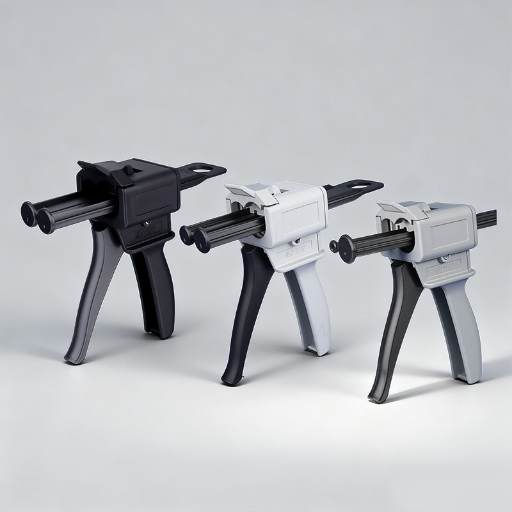
Solution Summary
- 50–490 ml Cartridge capacity range across 5 models
- 1:1 · 2:1 · 4:1 · 10:1 Mix ratios covered
- Up to 26:1 High thrust ratio for viscous 2K materials
- Anti-drip rod Reverse-action plunger reduces oozing
- 3–5× less waste vs hand-mixing from bottles on small jobs
- OEM / MOQ Factory-direct industrial supply
Why the Wrong Gun Wastes Cartridges, Drip, Mis-Ratio & Fatigue
Dual-cartridge two-part adhesives were introduced to eliminate waste. It’s a known fact that hand mixing resin and hardener out of bottles results in the waste of three to five times the amount of adhesive necessary to achieve a proper bond line on smaller joints, because the hand is incapable of dispensing accurately sub-fluid ounce measurements of two-part materials. This cartridge-economical process, however, can only succeed if the gun delivering it functions properly, and the five basic gun-performance criteria are:
Role: Engineer · Procurement
Ebestron Manual Cartridge Dispensing Gun Lineup (50 ml–490 ml)
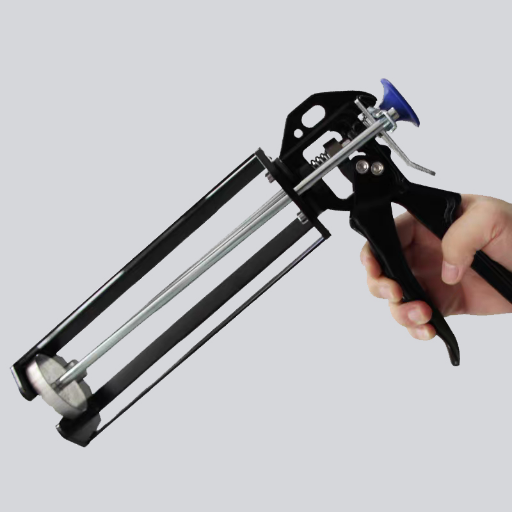
Five models cover two-component adhesive packaging from 50ml repair cartridges up to 490ml production cartridges. Every gun is designed around its primary application: the cartridge type it will run, its mix ratio, the cradle dimensions it will support, the plunger travel that fits its form factor, and the amount of force that its carriage must output.
Model & specification table
Core lineup specifications detailing capacity, mix ratio capabilities, and primary best-fit applications.
| Model | Capacity | Mix ratio | Drive | Best-fit work |
|---|---|---|---|---|
| 490 ml Dual Manual Caulking Gun | 490 ml | 10:1 | High-thrust manual | Large-volume structural, acrylic & epoxy runs |
| 400 ml Dual Manual Caulking Gun | 400 ml | 1:1 / 4:1 / 10:1 | Manual, multi-ratio | General 2K production, panel bonding |
| 250 ml Caulking Gun | 250 ml | 10:1 | Manual | Small-to-medium bonding projects |
| 75 ml Dual Manual Dispensing Gun | 75 ml | 10:1 | Compact manual | Portable, continuous fine work |
| 50 ml Dual Manual Caulking Gun | 50 ml | 1:1 / 2:1 | Compact manual | Fine, small-scale bonding & repair |
Cartridge-Size to Mix-Ratio Fitment Grid, 5 Sizes, 4 Ratios
Buyers most commonly mistake one gun style for another, thinking any model will handle all cases. It won’t: a carriage or frame intended for one set of cartridges won’t hold another so it won’t fully seat the plunger and will impart unbalanced pressure. Use this chart to align Ebestron cartridge format to your chosen model.
| Cartridge size | 1:1 | 2:1 | 4:1 | 10:1 | Static mixer system |
|---|---|---|---|---|---|
| 50 ml | 50 ml gun | 50 ml gun | — | — | Body + 2 pistons + dust cap |
| 75 ml | — | — | — | 75 ml gun | Snap-fit mixer |
| 200 ml | 400 ml gun* | 400 ml gun* | 400 ml gun | 400 ml gun | C-System (threaded) |
| 250 ml | — | — | — | 250 ml gun | C-System (threaded) |
| 400 ml | 400 ml gun | 400 ml gun | 400 ml gun | 400 ml gun | C-System / F-System |
| 490 ml | — | — | — | 490 ml gun | F-System (snap-in) |
| 600 ml | 490 ml gun* | 490 ml gun* | — | 490 ml gun* | F-System (snap-in) |
Thrust Ratio & Viscosity, Matching the Gun to Your Adhesive
| Thrust ratio | Approx. output | Material viscosity | Typical 2K material | Fit |
|---|---|---|---|---|
| 3:1–6:1 | Low | Very thin | Light silicone, watery sealant | DIY only |
| 7:1–10:1 | Low–med | Thin | Acrylic sealant, thin glue | Light duty |
| 12:1 | Medium | Medium | 1:1 thin epoxy | General |
| 14:1 | Medium | Medium-thick | Flowable methacrylate | General |
| 18:1 | High | Thick | Panel-bond epoxy | Professional |
| 20:1 | High | Thick | Filled structural epoxy | Professional |
| 24:1 | Very high | Very thick | Polyurethane, cold-weather 2K | Heavy duty |
| 26:1 | ~900 lbf | Very thick | High-viscosity structural / anchoring | Heavy duty |
| Dual 12:1/24:1 | Switchable | Mixed | Variable-viscosity production | Versatile |
Buyers often over-specify and get a 26:1 gun, only to find it leads to hand fatigue on a thin, free-flowing material, while others under-specify and find their 10:1 tool can’t budge cold epoxy. Bigger ratio numbers aren’t always the bigger advantage. Buyers’ single biggest mistake in choosing a caulking gun for two-part applications is this one thought – more output force isn’t always the right tool for the job. A thrust ratio describes the ratio of mechanical advantage to an operator, such as 26:1, wherein a user can output 26-lbs on the plunger for every 1-lb they depress on the trigger. This typically equates to up to 900-lbs output for a heavy duty 26:1 caulking gun (approximated for Albion’s B26 frame class). While a high output gun at 18:1 up to 26:1 is genuinely necessary for most heavy and structural epoxies, urethanes and other viscous materials, anything higher often only leads to increased finger strain as more strokes will be necessary on lower-viscosity applications. We’re aiming for ideal thrust ratio to complement our chosen adhesive’s viscosity per Dripless thrust-ratio guidance, not the max number available.
Honestly, it’s an imperfect science: increased output comes at the cost of the operator’s effort. That’s the honest trade-off: thrust capacity against trigger comfort. The honest version is that we won’t claim higher is universally better. We won’t claim a 26:1 frame is correct, regardless of its input; using it on a thin 1:1 acrylic will only add unwanted fatigue due to increased hand pressure per pump. You can expect better results when your guns are properly matched for a better work experience, since a high ratio means your job may take longer due to more trigger pulls than you can comfortably take per-application.
We size the drive train to the material, not to the spec-sheet bragging number. On a flowable 1:1 acrylic, a 26:1 frame only tires the operator faster, the thrust the cartridge actually needs is far lower. We tune each Ebestron model to the ratio its cartridge format runs.
Manual vs Pneumatic vs Cordless, Performance & Cost
Cost of a driven tool come from all facets, not just what it costs on the rack. The ASSEMBLY magazine guidelines for industrial tool selection tell us plainly: manual models serve low volume, low flow and low material forces; power tools justify the expense as volume or viscosity increases. Why buy ahead, and incur the overhead of the added equipment, training, or compressor line?
Dispensing-Mode TCO Ladder, 3 Modes Compared by Cost
| Factor | Manual | Pneumatic | Cordless / battery |
|---|---|---|---|
| Initial cost | Lowest | High (+ compressor) | High (+ battery, charger) |
| Dispensing speed | Operator-paced | Fast, high volume | Fast, consistent |
| Operator fatigue | Highest on thick 2K | Low (constant pressure) | Low |
| Bead consistency | Varies with viscosity | High (constant pressure) | High |
| Portability | High — no power source | Low — needs air line | High |
| Best fit | Small/medium 2K, field repair | Production lines, high viscosity | Mobile crews, mid volume |
For virtually any two part epoxy, as well as below-production volume acrylic, the truly lowest five-year ownership cost gun on Earth is a manual tool properly thrust rated — no compressor hassle, no batteries that run down, and, with matched thrust ratios — very little if any in the way of a real fatigue burden for most operators. When buyers mention fatigue, they typically got it with an under-thrust manual tool.
What differentiates an Ebestron dual cartridge epoxy gun from any generic two-part epoxy gun or cheap epoxy applicator gun is that every Ebestron frame is thrust-matched and format-matched at the facility- Not a throw one-fit-all manual dispensing gun! Should your requirements, over time, eventually warrant and support a pneumatic epoxy gun or an epoxy mixing gun with automatic drive, those same cartridge formats (including the dual cartridge epoxy gun 400ml and 200ml sizes, plus the dual epoxy cartridge dispenser guns 200 and 400 milliliter) can be continued so your cartridge pipeline remains unaltered!
ROLE: PROCUREMENT · MANAGER
Procurement Guide, MOQ, OEM, Lead Time & QC
Ebestron ships factory-direct from Jiangsu, China, integrating R&D, production, sales and after-sales service in one operation. Rather than quote a single price that ignores your application, we base the cost of a manual cartridge dispensing gun program on the factors below, send us your parameters and we return a specific quotation.
Cartridge format coverage
How many sizes/ratios (50–490 ml) you need to support
Thrust class
Standard vs high-thrust (up to 26:1) frames for viscous 2K
Order volume / MOQ
Per-unit cost scales with quantity tiers
OEM / private label
Branding, color, packaging customization
Lead time
Stock models vs customized runs
QC level
Standard QC vs documented inspection records
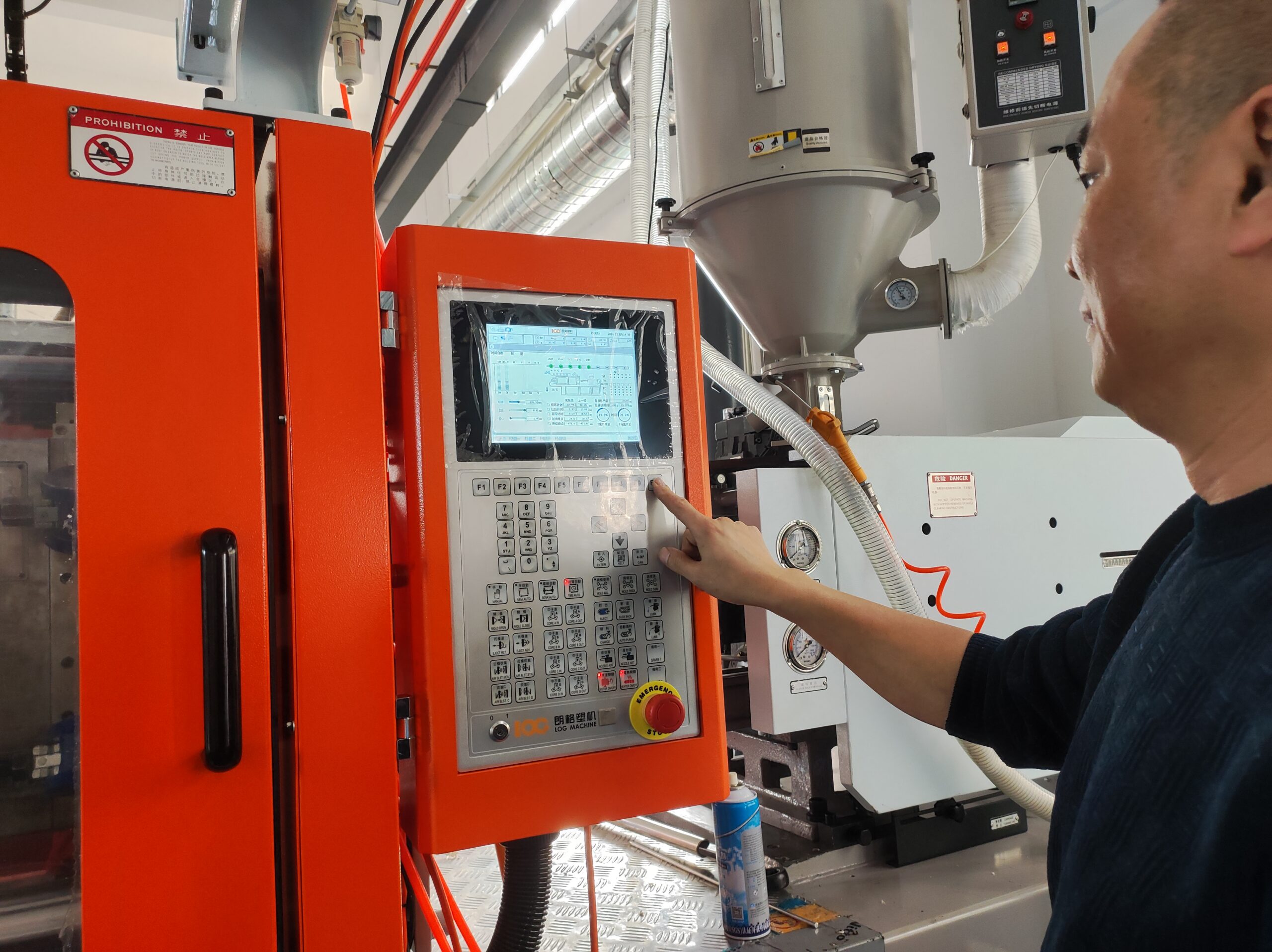
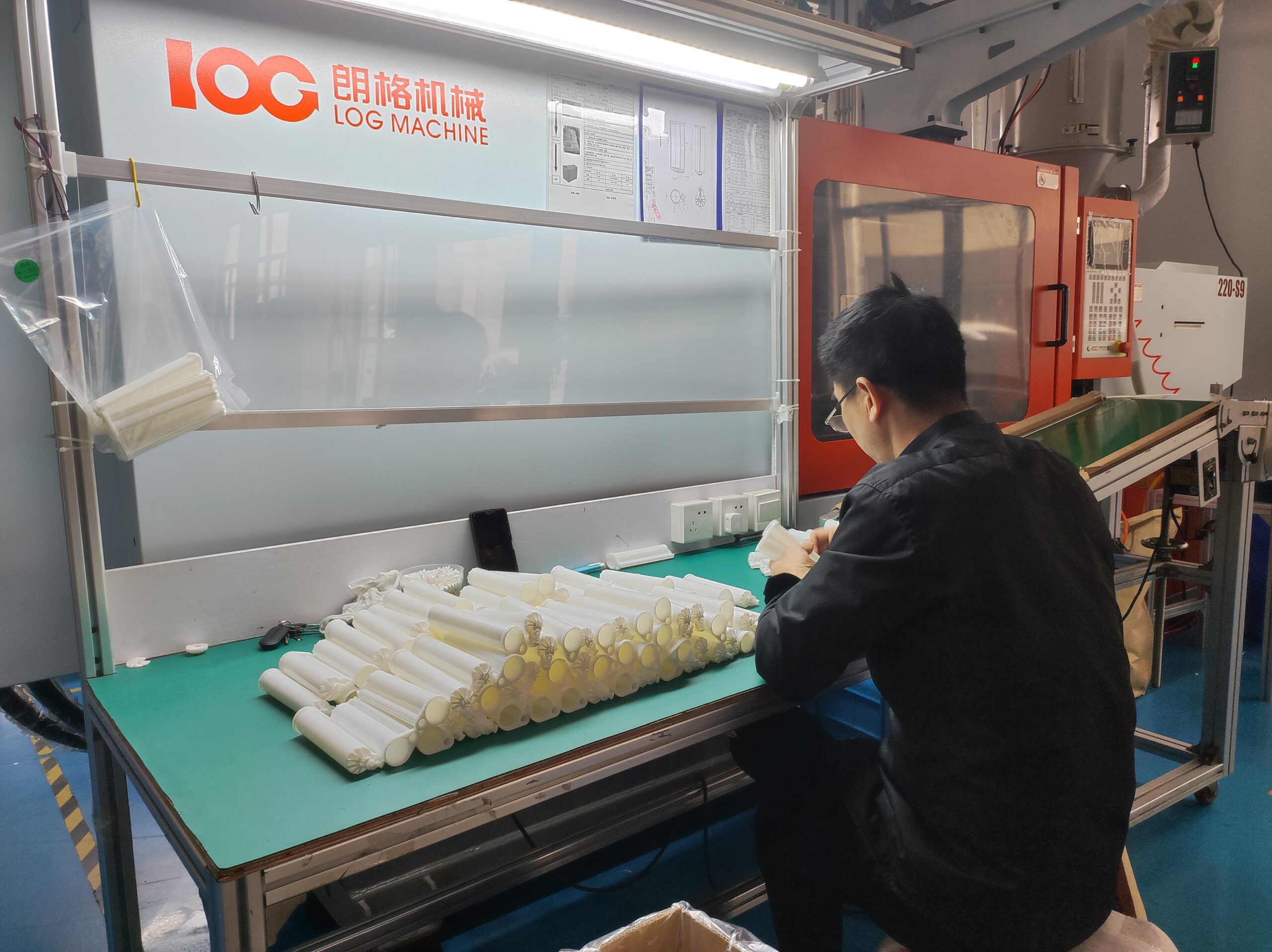
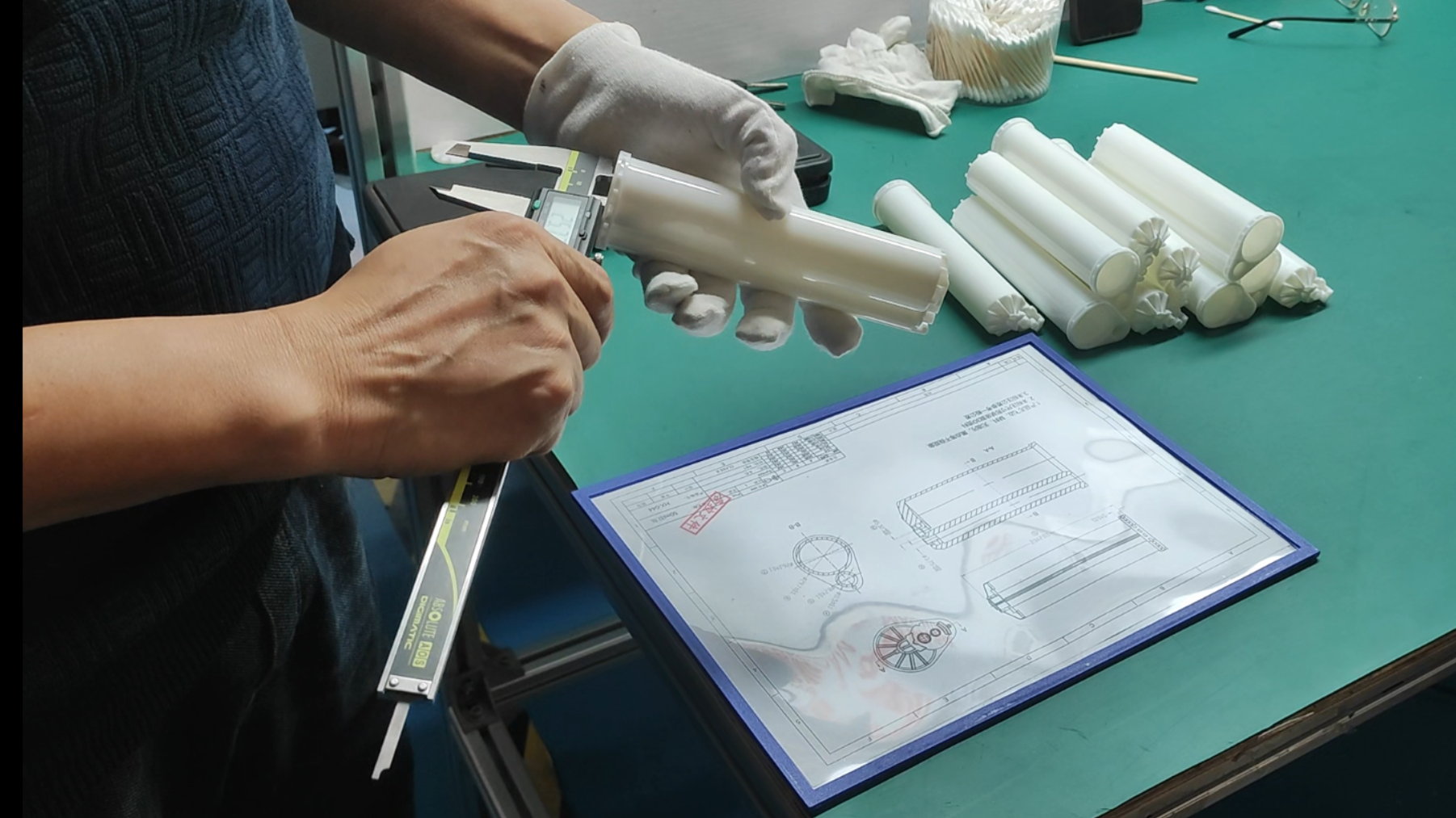

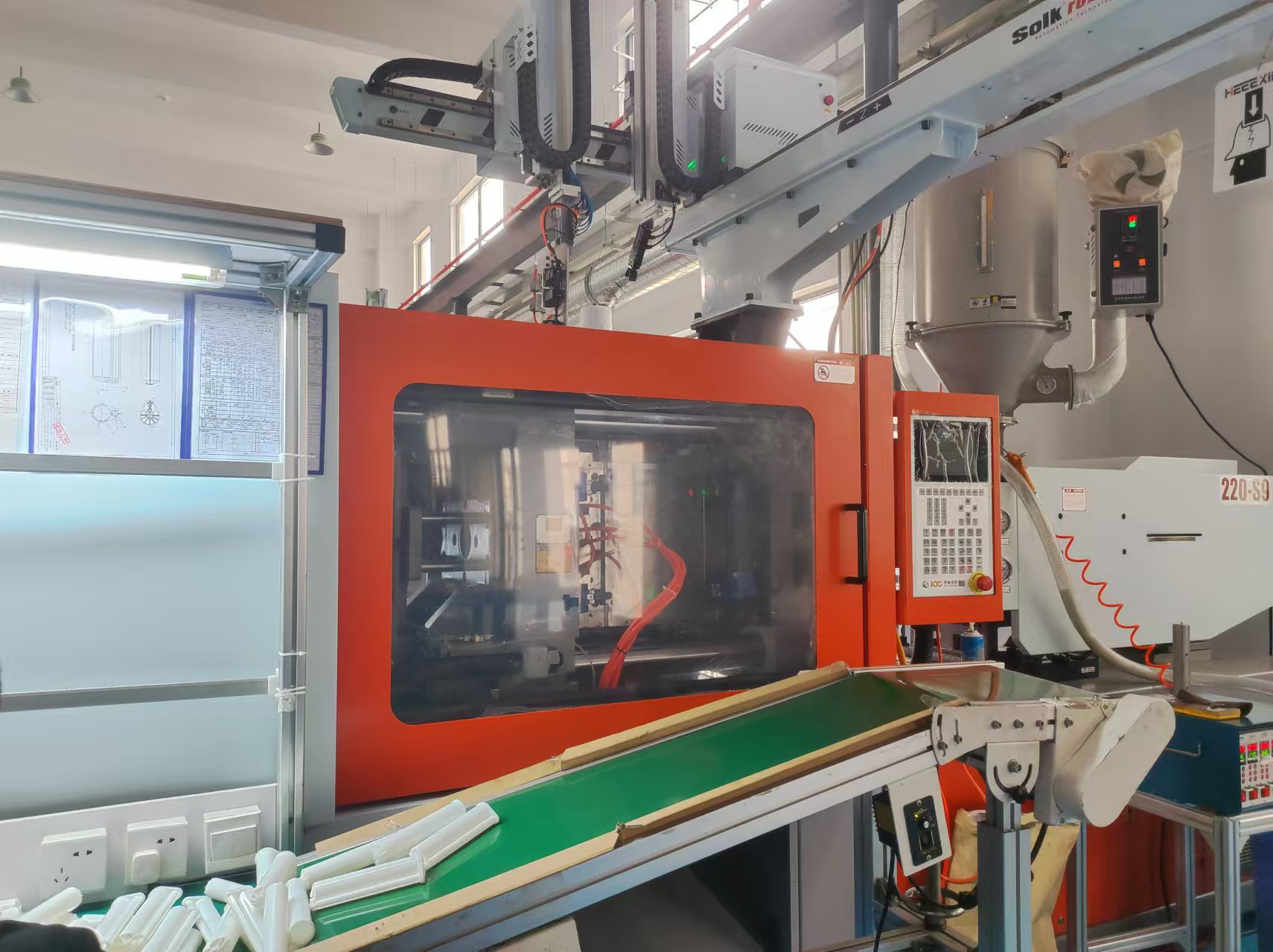

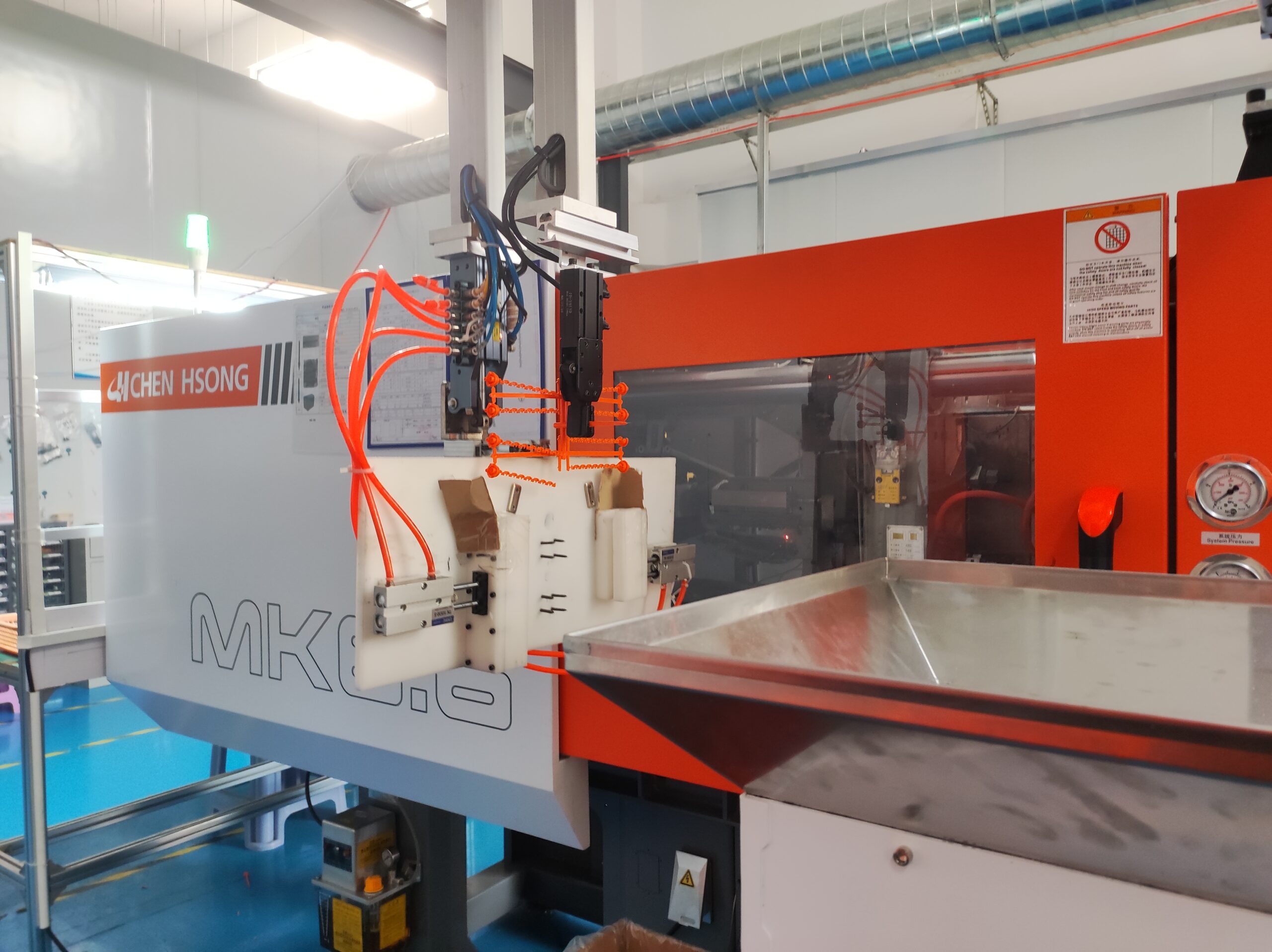
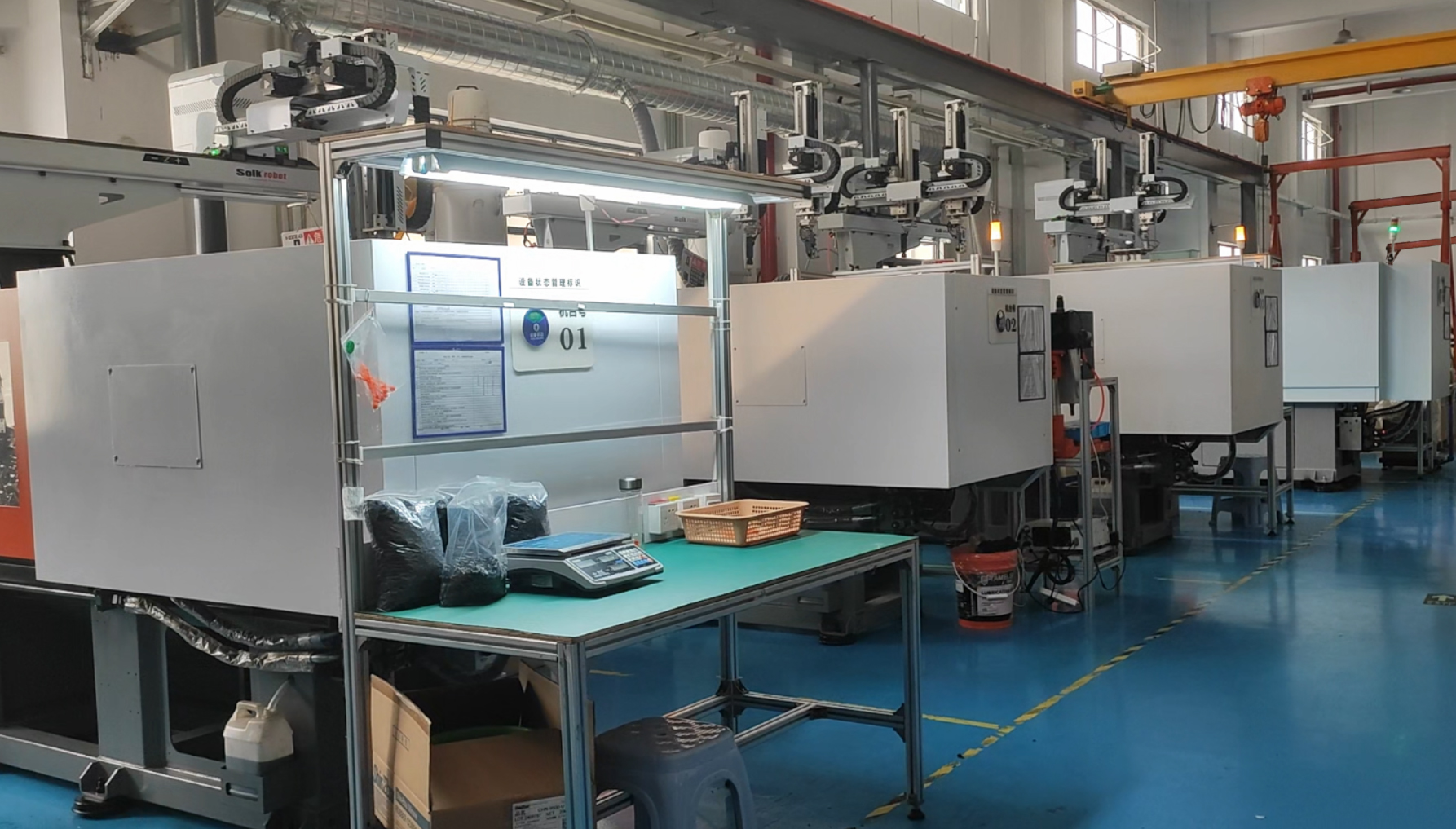
Every gun passes Ebestron’s ISO 9001-aligned quality management system, incoming-and-outgoing inspection covering frame strength-load checks, guide-rod straightness and trigger-release verification, before it ships, because the field failures buyers fear (bowed frames, bent rods, broken release mechanisms) are exactly what a strict inspection regime exists to catch.
Precision Engineering Utilities
Dynamic Mixing Control & Estimation Tools
TECHNICAL FAQ & SPECIFICATION DATA
What is a manual cartridge dispensing gun?
It is a hand-powered applicator that drives two pistons into a dual cartridge, forcing resin and hardener through a static mixer that blends them at the set ratio as you dispense. No air line or battery is needed — trigger mechanical advantage, expressed as the thrust ratio, supplies the force.
Do these guns work with any mix ratio?
No — and that matters. Each cartridge format is built for one ratio (1:1, 2:1, 4:1 or 10:1) and the gun’s plunger set must match it. Ebestron covers all four ratios; the 400 ml model alone handles 1:1, 4:1 and 10:1.
What thrust ratio do I need?
Match it to viscosity, not to the biggest number. Thin acrylics and light sealants run fine at 7:1 to 14:1. Thick two-part epoxies, polyurethanes and structural adhesives need 18:1 to 26:1, or a 10:1 gun stalls. Going higher than your material needs only adds trigger strokes and tires the operator — so size the frame to the adhesive you actually run.
How is a cartridge epoxy gun different from a hot-melt glue gun?
Hot-melt guns melt one thermoplastic stick with heat. Cartridge dispensing guns apply mechanical force, with no heat, to co-dispense two reactive components through a static mixer — chemistry that cures by reaction, so ratio accuracy and even plunger advance matter far more than temperature.
Will an Ebestron gun fit my existing Sulzer Mixpac, COX or 3M cartridges?
Usually yes.
Why does my adhesive sometimes leak or cure unevenly?
That is usually blow-by — adhesive that cured in the cartridge tip and leaked back past a plunger, quietly shifting the mix ratio off-spec. It comes from uneven plunger advance, or from a gun without enough thrust to seat both pistons before flow starts. Two mechanical fixes prevent it: a thrust rating matched to your material, and a drip-free release that drops pressure the instant you let go of the trigger. If you already see leakage on a current gun, it is almost always one of these two causes rather than the adhesive itself.
Is a manual gun enough, or should I buy pneumatic?
For small-to-medium volumes and field repair, a correctly thrust-rated manual gun gives the lowest total cost — no compressor, no batteries to cycle. Step up to pneumatic or cordless only when you run high volumes, or very high-viscosity material across long shifts, where powered drives cut fatigue and lift throughput enough to justify the added capital and maintenance.