
Get in touch with Ebestron Company
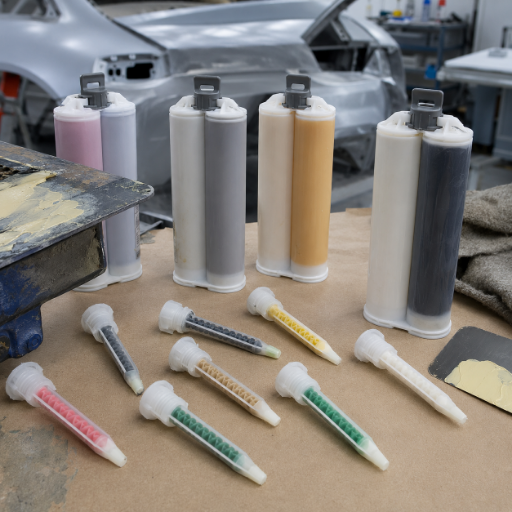
Compatible Consumables for Collision Repair
Dynamic Mixing Nozzles & Pneumatic Applicator Compatible with the 3M™ Dynamic Mixing System
Ebestron dynamic mixing nozzles and the pneumatic applicator drop straight into the 3M Dynamic Mixing System (DMS) your body shop already runs, same red/purple cartridge logic, same active mixing action that kills filler pinholes, without the 300-nozzle case minimum or the OEM markup.
What you get
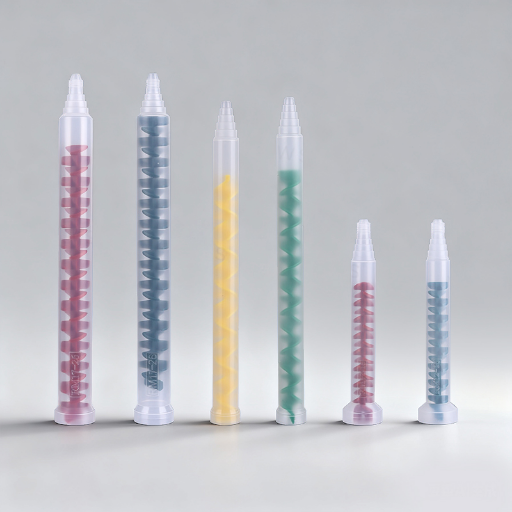
- Red-cap nozzles for Fillers & Glazes (DMS 1.0, 05847-compatible) and purple-cap nozzles for Adhesives & Sealers (DMS 1.5, 1:1 / 2:1, 55847-compatible)
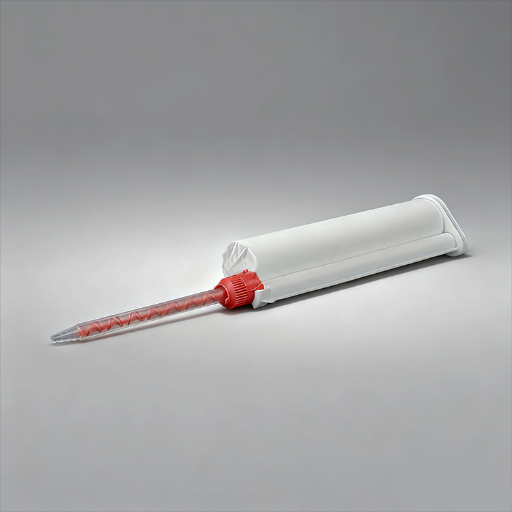
- Pneumatic dynamic mixing applicator driven by your shop’s existing air line (05846-compatible)
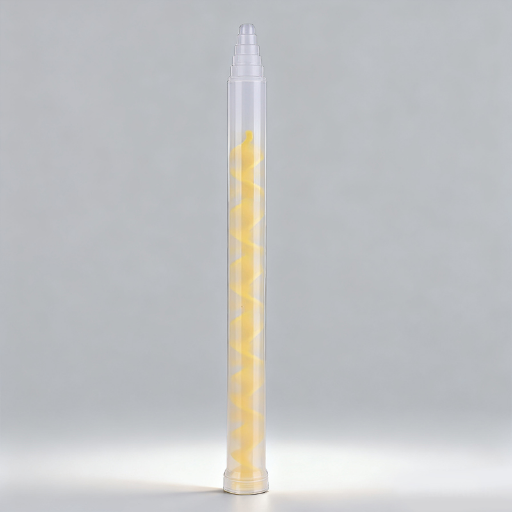
- Polypropylene body with a helical nylon mixing element, short, low-residual length
- Full red/purple cross-reference to 3M DMS cartridge families
- CE / RoHS, ISO 9001-aligned production, Prop 65 labeled
Why shops switch
No 300-pc case minimum
Order the colors and quantities you actually burn, not a full OEM case per part number.
For: shop owners, refinish technicians & purchasing
Pinholes, Wasted Filler and Premium Nozzle Bills, the Body-Shop Math These Consumables Fix
The Mixing Variable
Hand-mixing filler by eye or by weight drifts off ratio, and an off-ratio mix cures soft and leaves pinholes that only show up after the first guide coat, a redo that cost far more labor than the nozzle ever saved. A dynamic mixing system nozzle removes that variable: the cartridge meters both parts and the nozzle thoroughly blends them to the perfect ratio of product every pull, so the filler that hit the panel is the filler the chemist designed. That mechanical metering is what 3M built the system to ensure across two-part body repair products.
Technical Honest Version
Here’s the honest version, because it shapes what you should buy. Dynamic mixing is not automatically better than a static tube for every two-part material, most modern adhesives are formulated to similar viscosities and blend fine through a static mixer. Dynamic active mixing earns its place precisely where body work lives: high-viscosity filler paired with a low-viscosity hardener at an uneven ratio, where a static tube back-pressures, under-mixes, or starves output. That viscosity mismatch is the technical reason 3M built the DMS around a motor-driven nozzle, and it’s reflected in dynamic-mixer patents such as USPTO US8197122B2, which describes a rotor/stator assembly for homogenizing two components of differing flow behavior.
Economic Impact & Value
Our compatible nozzles and 05846 pneumatic applicator keep that mechanism intact while taking the two real costs out of it: the case-quantity minimum and the per-nozzle OEM premium. These stakes are concrete. A pinhole that surfaces after the guide coat costs a technician roughly 30 to 45 minutes of re-sand, re-prime and re-shoot, far more labor than the few cents a nozzle saves. On a steel fender skim-and-glaze in a US or EU collision bay feeding a 276 mL DMS filler cartridge, a ratio-true two-part body filler mixing nozzle is what keeps that redo off the ticket. Ebestron molds and ratio-checks every nozzle lot before it ships, so the consistency rides with the part, not the technician’s hand. You keep the mix quality; you lose the inventory drag.
Request Free Samples →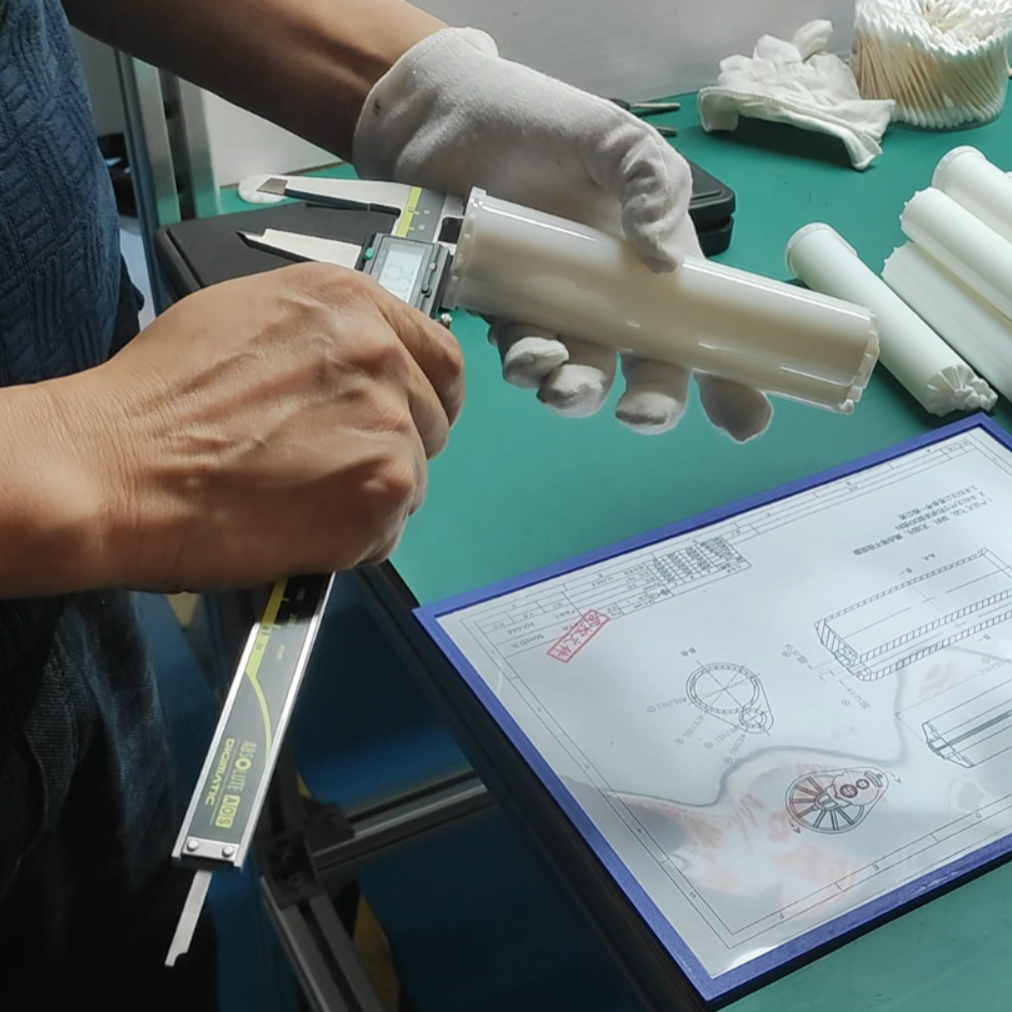
For: refinish technicians & purchasing (RFQ matching)
The Ebestron Range, Red/Purple DMS Nozzle Swap Map
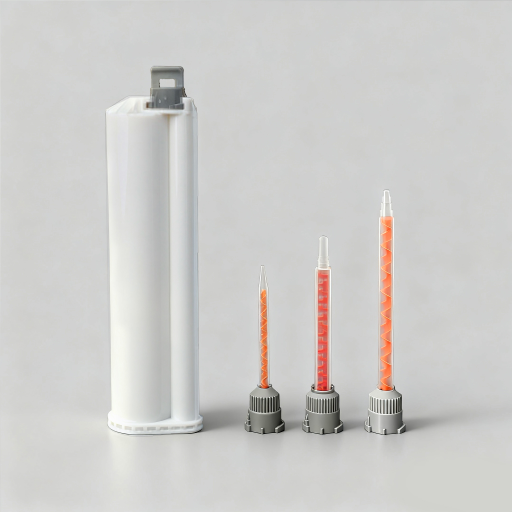
Color is the whole compatibility language of the DMS, and it carries the mix ratio with it. Red feeds the high-fill polyester chemistry of fillers and glazes; purple feeds the 1:1 and 2:1 adhesives and sealants. A purple nozzle handle a structural panel-bond adhesive or a two-part sealant the same way, meter, blend, dispense. Match the cap color and the cartridge family and the swap is mechanical. The table below maps each repair task to the cartridge family, the ratio, the 3M nozzle it references, and the Ebestron equivalent that clips onto the same cartridge and the same 05846-pattern applicator.
| No. | Repair task | Material family | 3M cartridge family (DMS) | Mix ratio | 3M nozzle ref | Ebestron compatible nozzle |
|---|---|---|---|---|---|---|
| 1 | Dent / low-spot fill | Heavy-body polyester filler | Fillers & Glazes (DMS 1.0) | High-fill (filler:hardener) | 05847 red | Red-cap, 05847-compatible |
| 2 | Lightweight panel fill | Lightweight polyester filler | Fillers & Glazes (DMS 1.0) | High-fill | 05847 red | Red-cap, 05847-compatible |
| 3 | Final skim / pinhole glaze | Polyester finishing glaze | Fillers & Glazes (DMS 1.0) | High-fill | 05847 red | Red-cap, 05847-compatible |
| 4 | Plastic / SMC repair | Two-part repair filler | Fillers & Glazes (DMS 1.0) | High-fill | 05847 red | Red-cap, 05847-compatible |
| 5 | Panel-bonding adhesive | Structural / non-structural adhesive | Adhesives & Sealers (DMS 1.5) | 1:1 | 55847 purple | Purple-cap, 55847-compatible |
| 6 | Seam sealer (brush/flat) | Two-part seam sealer | Adhesives & Sealers (DMS 1.5) | 1:1 | 55847 purple | Purple-cap, 55847-compatible |
| 7 | Flexible parts bonding | Flexible two-part adhesive | Adhesives & Sealers (DMS 1.5) | 2:1 | 55847 purple | Purple-cap, 55847-compatible |
| 8 | Foam / void fill | Two-part urethane foam | Adhesives & Sealers (DMS 1.5) | 1:1 | 55847 purple | Purple-cap, 55847-compatible |
| 9 | Deep / recessed work | Any DMS cartridge | Both families | Per cartridge | 58207 extension | Nozzle extension, 58207-compatible |
| 10 | Dispensing tool | All DMS cartridges | Both families | Per cartridge | 05846 applicator | Pneumatic applicator, 05846-pattern |
One caution that the swap map exists to enforce: a nozzle that clips on can still be the wrong ratio. Physical fit doesn’t prove ratio fit, an inlet sized for a different cartridge will seat but meter the parts unevenly. That’s why every line above pins the cartridge family and the ratio, not just the cap color. The disposable-nozzle architecture itself, a clip-on mixing chamber with an internal paddle/element, is long-established in dispensing tooling, e.g. USPTO US4951843A.
“We size the inlet and the element pitch to the 3M cartridge geometry first, then validate ratio on a static-mix check card before a part number ships. A nozzle that fits but mis-meters is worse than no nozzle, it hides the defect until paint.”
In a multi-location MSO running four part numbers across both DMS families, that discipline is what stops a purchasing error from reaching the bay: a technician orders red or purple by the 3M number on the cartridge, and the chart return one Ebestron equivalent. The 05847 mixing nozzle line and its purple counterpart are mapped one-to-one, so there’s no guessing at the parts counter.
For: technicians and owners, purchasing on cost
Ebestron vs Genuine 3M vs Unbranded Generic, and the Cost-per-Repair Nozzle Math
Static tubes back-pressure on thick filler, which is why this whole category run an active nozzle in the first place, so the real comparison isn’t the dynamic mixing vs static mixing debate, it’s which dynamic-compatible nozzle to stock. The difference between the three sources isn’t the mixing principle; it’s fit documentation, certifications, and how much cash the purchase ties up. Concrete, not High/Medium/Low:
Technical Specification Comparison
| Specification | Ebestron compatible | Genuine 3M OEM | Unbranded generic |
|---|---|---|---|
| Mix ratios served | High-fill (red) + 1:1 and 2:1 (purple) | High-fill (red) + 1:1 and 2:1 (purple) | Often a single ratio per SKU |
| Mixing element | Helical active element, short low-residual body | Active mixing element, short body | Element type frequently unstated |
| Body material | Polypropylene body, nylon element | Molded thermoplastic | Unstated thermoplastic |
| Minimum order | From 1 bag per color | ~300 per case (50 × 6) | Varies, often case-only |
| 3M SKU cross-reference | Full 05847 / 55847 / 58207 chart | By 3M part number only | Rarely documented |
| Certifications on file | CE, RoHS, ISO 9001-aligned, Prop 65 | 3M corporate program | Inconsistent |
| Private-label / OEM | Available on bulk programs | Not offered | Sometimes |
Cost-per-Repair Nozzle Math
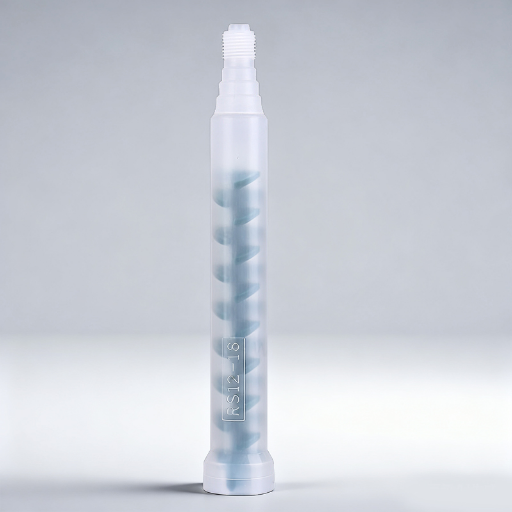
The unit price on a single nozzle is the wrong number to chase. Cost-per-repair is the right one, and it has three terms: nozzles consumed per panel repair, the cash tied up in minimum order quantity, and the material left in the nozzle after each pull. OEM nozzles ship 50 to a carton and 6 cartons to a case, roughly 300 per part number, so a shop running four part numbers across its 276 mL filler and 1:1 adhesive cartridges is sitting on more than a thousand nozzles before a single dent is filled. A short, low-residual nozzle wastes less filler per pull, and flexible color-by-color ordering keeps that capital free. We won’t publish a fixed savings percentage we can’t prove for your throughput, we’ll build the worksheet against your actual panel volume.
Want this run against your numbers?
Get a cost-per-repair worksheet for your shop →
For: owners (ROI) and technicians (technical fit)
From Filler to Panel Bond, Matching Each Nozzle to the Job
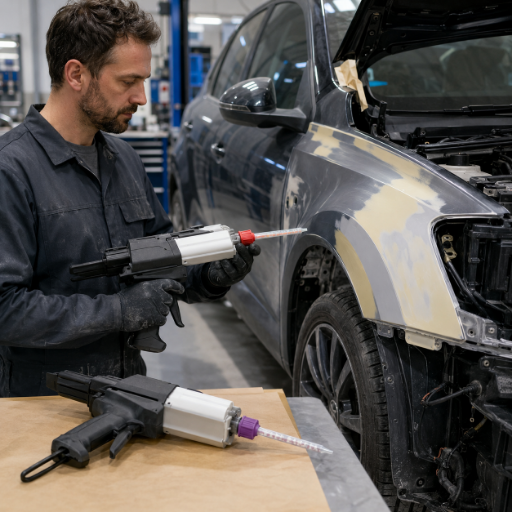
The same applicator covers the whole repair sequence; the nozzle color change with the chemistry. A collision shop in the US or EU running a fender repair will pull a red-cap nozzle on the 276 mL filler cartridge for the build-and-glaze stages, then switch to a purple-cap nozzle on the 1:1 adhesive cartridge for any structural or flexible bonding and the final seam seal. Because the nozzle meters ratio mechanically, a second-year technician gets the same blend a master tech does, the consistency move with the tool, not the hand.
Application Scope and Residual Geometry
Disposable dynamic nozzles handle epoxy, polyurethane, silicone and polyester fillers, which is the full span of two-part body repair products a refinish bay see. Short nozzle length matters here beyond waste: less material sitting in the mixer means less cure-in-tip between pulls during a multi-panel job, the same small hold-up volume that high-shear dynamic mixer designs are built around, e.g. USPTO US20080225638A1. On a three-panel collision job in a US or EU bay feeding 276 mL DMS filler cartridges, a tech might burn six to ten nozzles across fill, glaze and bond stages, the point where per-nozzle price and the few millilitres of residual waste left in each tip actually compound. This is where a compatible line earns its place over the OEM case: Ebestron sizes the element to the same short, low-residual geometry 3M uses, then prices and packages it for the shop’s real burn rate rather than a 300-piece case, which no unbranded generic with an undocumented element can claim.
Performance and cost outlook (cost-factor framework)
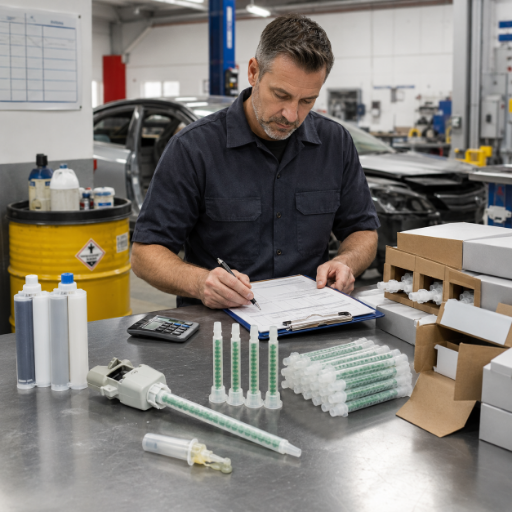
A nozzle that hold ratio reduces redo work from off-ratio cure, the single largest hidden cost in filler application. On the spend side, three levers move total cost: per-nozzle price, order minimums, and wasted material per pull. Field reports in collision repair tie wasted consumables and hazardous-waste disposal (commonly 150 to 200 USD per drum) directly to shop profit, so a lower-residual nozzle and flexible ordering compound over a year. Exact numbers depend on your panel volume, request a custom worksheet rather than trust a generic percentage.
See the fit for your cartridges:
Request free compatible nozzle samples →
Material, Compliance and Quality Control
An unknown supplier is a fair objection, a body shop that puts a wrong-mixing nozzle into a structural panel bond is risking a comeback it cannot see until the part is on the road, so “trust” here has to be earned with process, not a logo. Here is what stands behind the part instead of a testimonial. Nozzle bodies are molded from polypropylene with a nylon mixing element, the same chemical-resistance logic the application needs against epoxy, acrylic and methacrylate chemistries. Production runs under an ISO 9001-aligned quality system, with dimensional checks on the cartridge inlet and a ratio check on a static-mix card before a part number is released. For a US or EU shop adding us to an approved-vendor file, that documented, per-lot process is the difference between a one-off import buy and a supplier you can reorder against for years.
✓
CE marked
✓
RoHS compliant
✓
ISO 9001-aligned production
✓
California Prop 65 labeled
✓
Cartridge-fit and ratio QC per lot
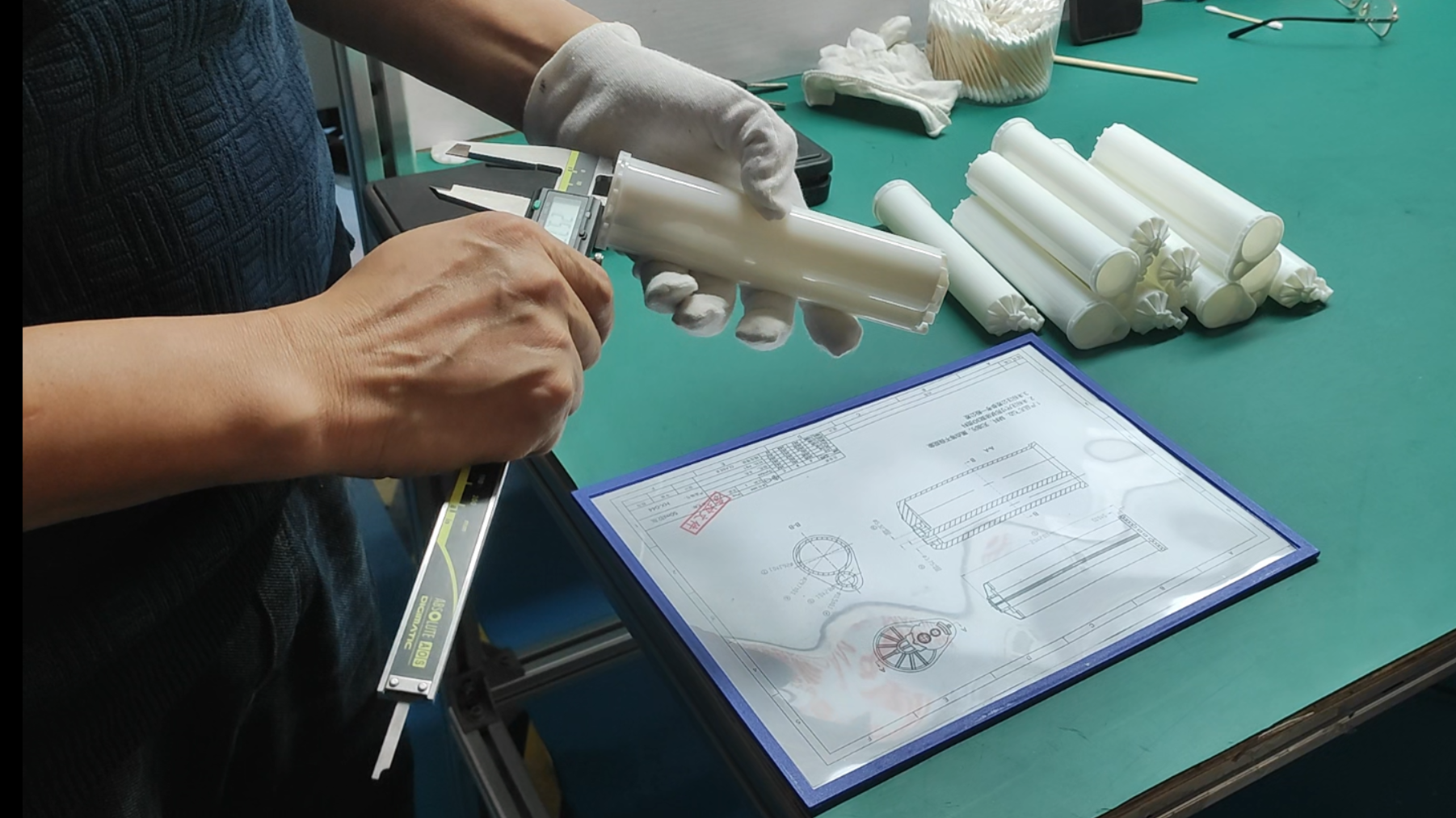

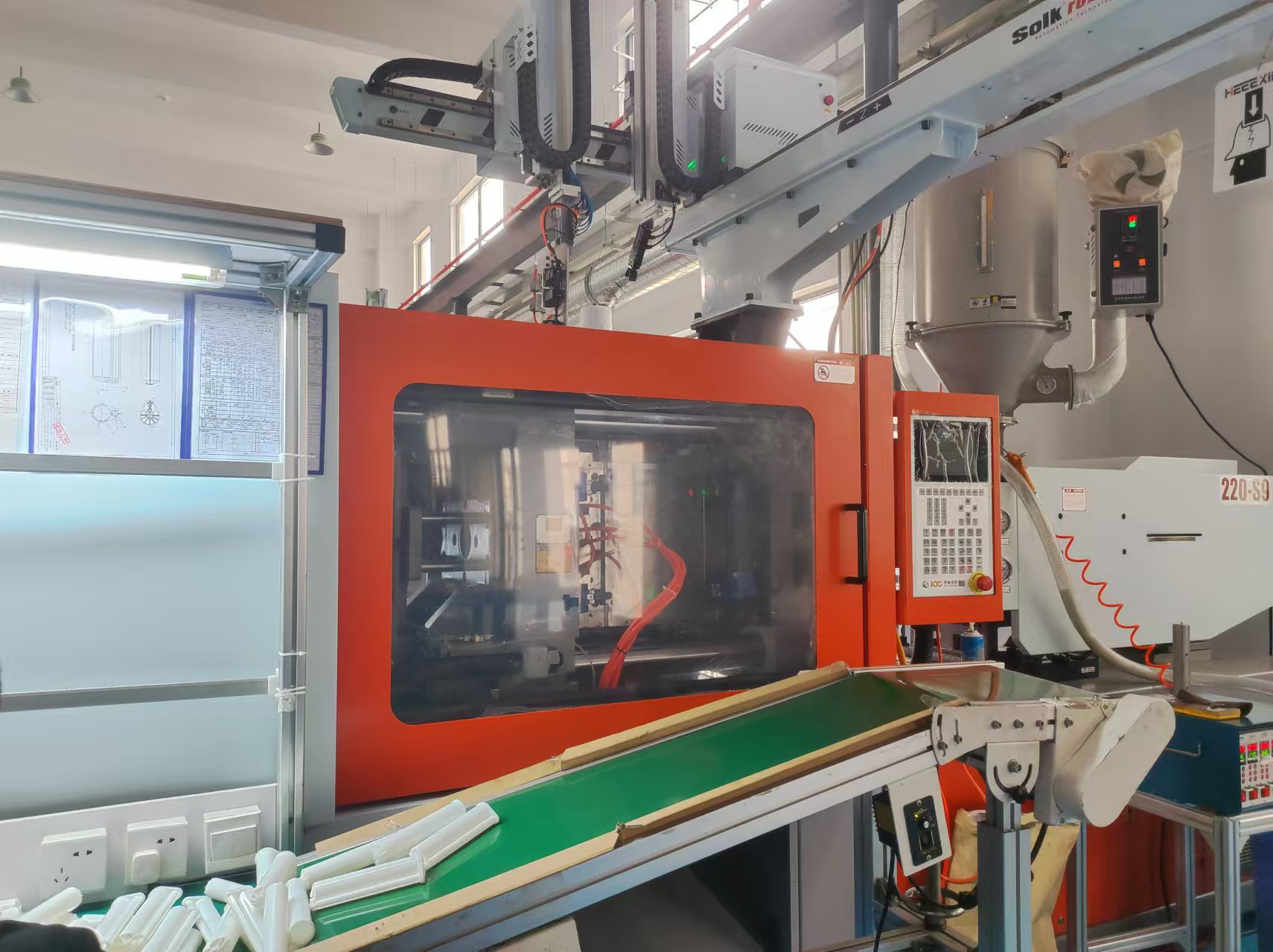

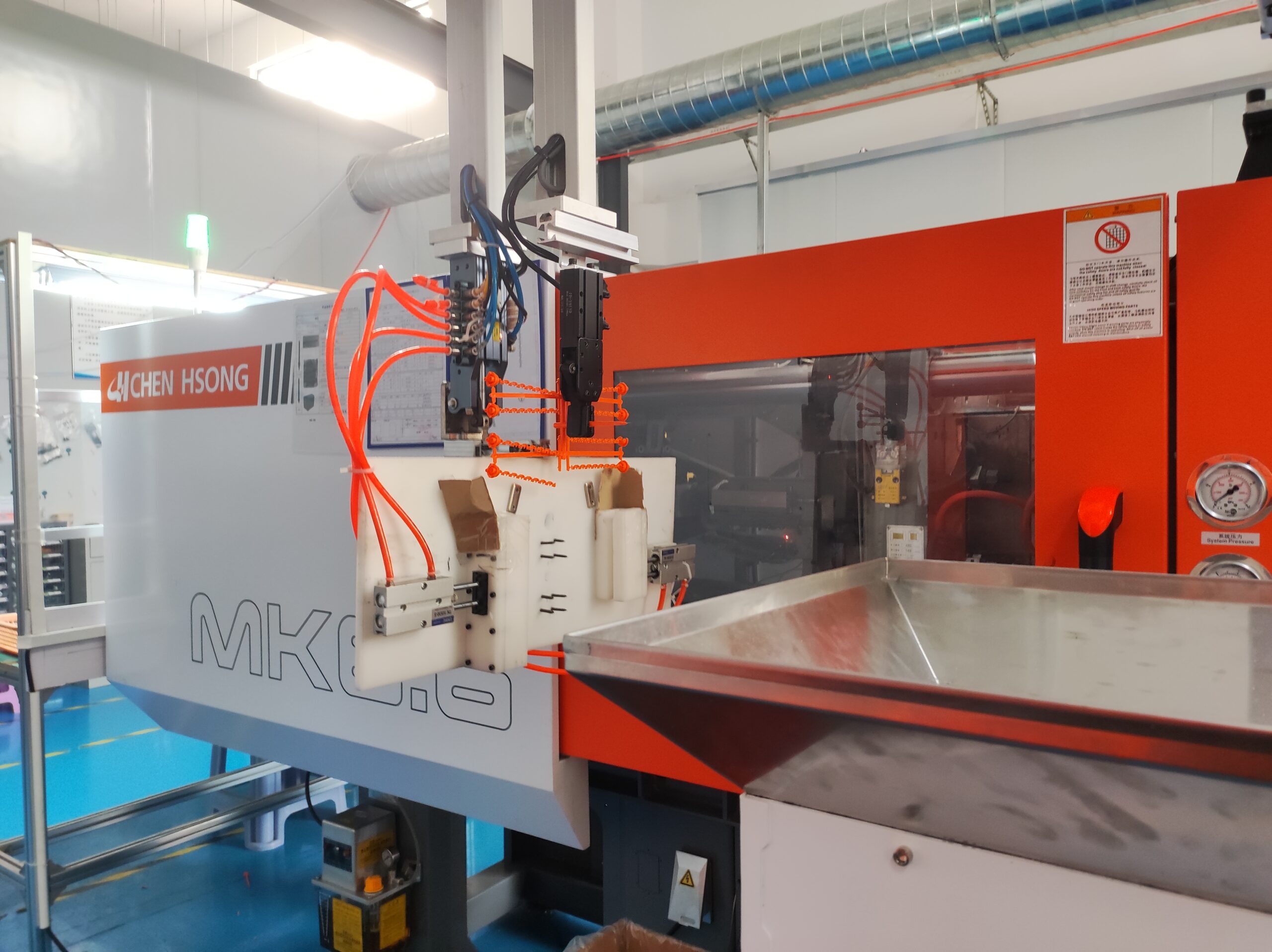
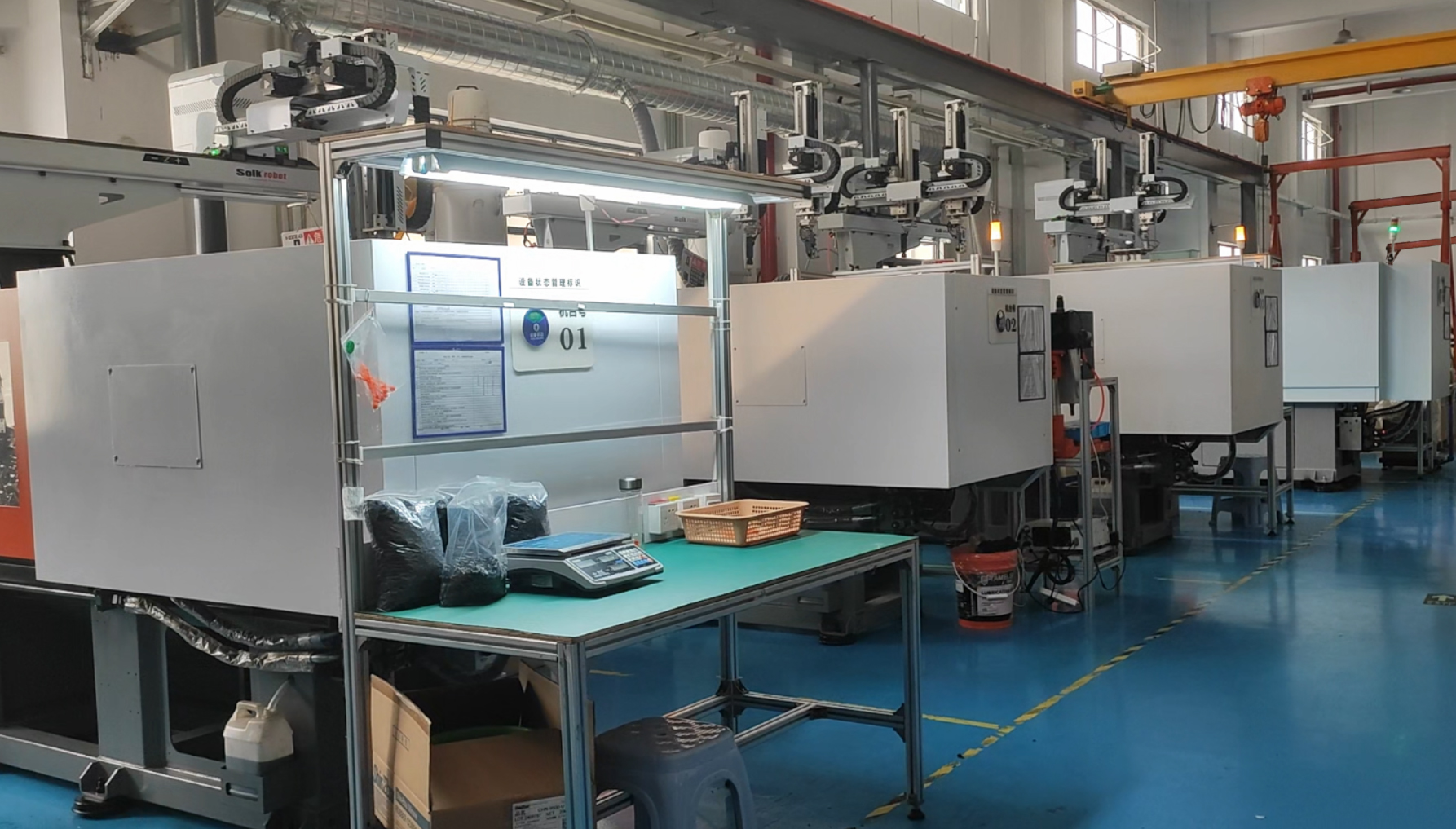
Production Capability
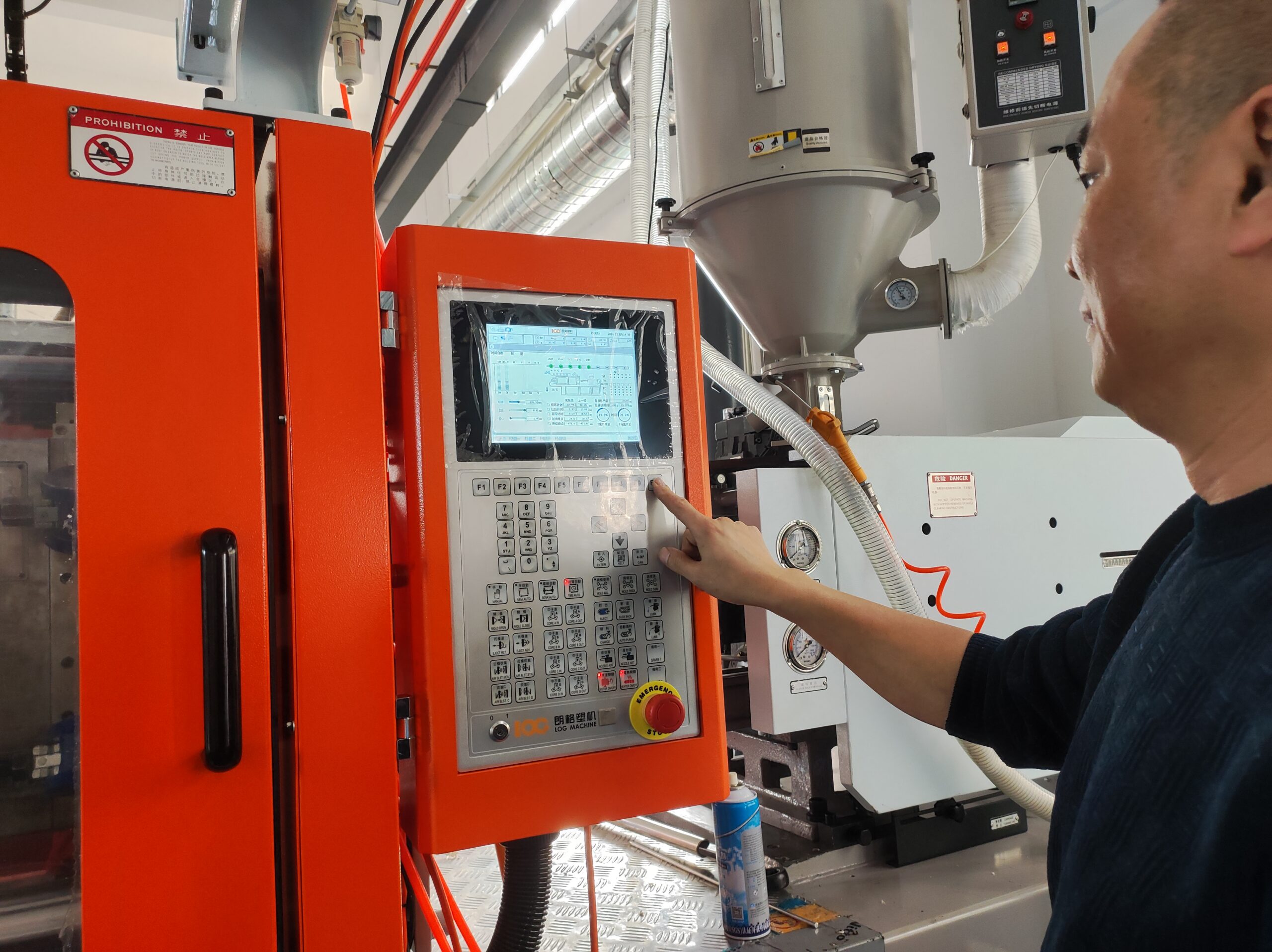
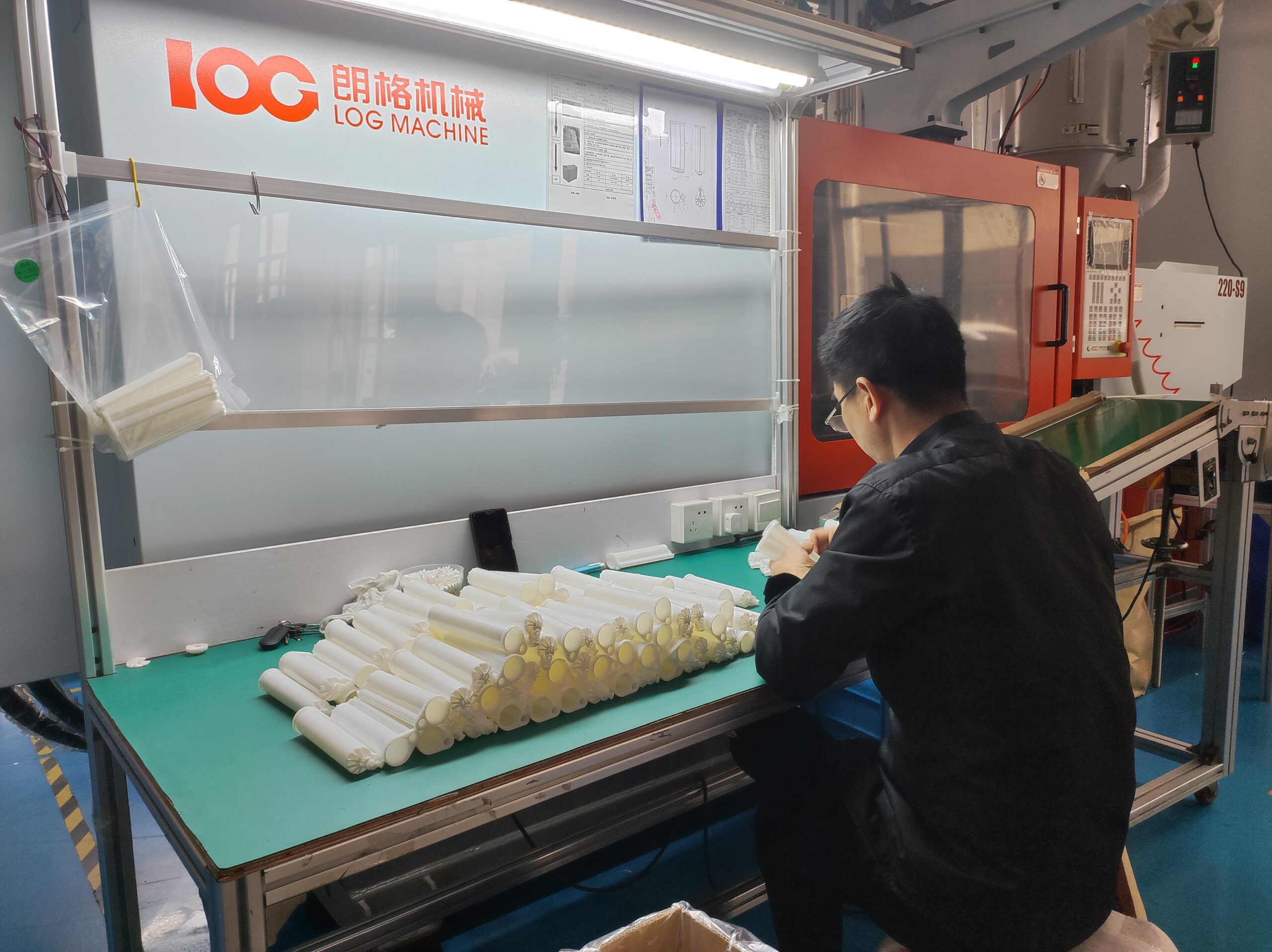
The capability behind that isn’t borrowed. Ebestron has built dispensing guns, dual cartridges and mixing tubes since the company was founded, on injection-molding lines dedicated to adhesive-packaging consumables, a mixing nozzle is the same tooling discipline, not a side project. Unlike an unbranded generic that ships an undocumented element and no paperwork, every Ebestron lot carries a cartridge-fit and ratio record, which is the specific reason a quality manager can sign off on the switch.
Compliance Notes
Two notes kept honest: Prop 65 is a California disclosure law, and engineered plastics are generally not on its chemical list, but the finished-product maker carries the labeling duty, so the label travels with the part. And ISO 9001 governs the process, not the chemistry of any filler you run through it; it tells you the nozzle was made and inspected to a repeatable standard, which is the assurance a first-time buyer actually needs.
For: purchasing and owners (budget approval)
Bulk Procurement, Order Logic, Lead Time and Private-Label Support
Procurement here turns on a few factors rather than a single price. What drives your quotation: which cap colors and ratios you actually consume, monthly nozzle volume, whether you want the pneumatic applicator bundled or nozzles only, and whether the program is private-label. Because we don't gate behind a case minimum, you can stock red and purple in the proportion your job mix demands instead of buying a full OEM case per part number and writing off the slow color.
Inventory and Fulfillment Logic
The hidden cost a case minimum creates is real: OEM nozzles ship 50 to a carton and 6 cartons to a case, roughly 300 per part number, so a shop carrying four part numbers across its 276 mL filler and adhesive cartridges writes off the slow color and ties up shelf space it does not have. For multi-location groups, a cross-reference chart keyed to your current 3M part numbers makes the switch a swap, not a re-spec, each technician at each store orders by the 3M number they already know. Production runs under the ISO 9001-aligned system noted above, so lot consistency holds across reorders, which is what lets a 12-store MSO standardize one Ebestron equivalent per 3M SKU. Lead time and unit pricing scale with volume and are quoted against your parameters.
Ready to scope a program?
Request bulk pricing and lead time →
Engineering Hub
DMS Compatible Engineering Tools
3M Dynamic Mixing System Compatibility Questions
Will these nozzles fit my 05846 applicator?
Yes — the nozzles use the 05846-pattern clip interface, and a compatible pneumatic applicator is available if you need one.
Red or purple — which do I order?
Red-cap for fillers and glazes (DMS 1.0); purple-cap for adhesives and sealers (DMS 1.5, 1:1 or 2:1). Match the cap color to your cartridge family, which is exactly what the Swap Map above lays out.
If a nozzle physically clips on, isn't it compatible?
Not necessarily. Physical fit and ratio fit are two different checks. A nozzle built for a different cartridge ratio will seat and dispense but meter the two parts unevenly, which is the kind of off-ratio mix that leaves pinholes. Order by cartridge family and ratio, not by whether it clicks on — and test a sample before a bulk order.
Is a compatible nozzle going to mix as cleanly as the genuine 3M one?
Mix quality comes from two things: the cartridge metering the correct ratio and the nozzle's active element blending it over a short path. We hold the inlet geometry to the 3M cartridge and verify ratio on a static-mix card per lot, so the blend that reaches the panel matches the OEM behavior. The honest gate is the sample test on your own cartridges — that is why we send samples free.
What is the minimum order?
From a single bag per color. There is no 300-piece case minimum per part number, so you stock red and purple in the ratio your job mix actually burns.
Can you private-label or build a cross-reference to our 3M part numbers?
Yes. For bulk and multi-location programs we supply a cross-reference chart keyed to your existing 3M SKUs so technicians keep ordering by the number they already use, and private-label is available on volume programs.
Do I even need dynamic mixing, or would a static tube do?
For many two-part adhesives a static tube is fine — most are formulated to similar viscosities. Body filler is the case where dynamic matters: a heavy filler against a thin hardener at an uneven ratio will under-mix or back-pressure a static tube. That viscosity gap is why the DMS is built around an active nozzle, and why these compatible nozzles keep the same mechanism.
Trending now


![Dynamic Mixing Systems for 2K Sealants [Guide]](https://adhesivespackage.com/wp-content/uploads/2026/10/dynamic-mixing-systems-for-2k-sealants-guide-featured-1-150x150.png)