Get in touch with Ebestron Company
Industries We Serve
Industrial Adhesive Cartridge Applications: Packaging & Dispensing Systems for 5 Industries
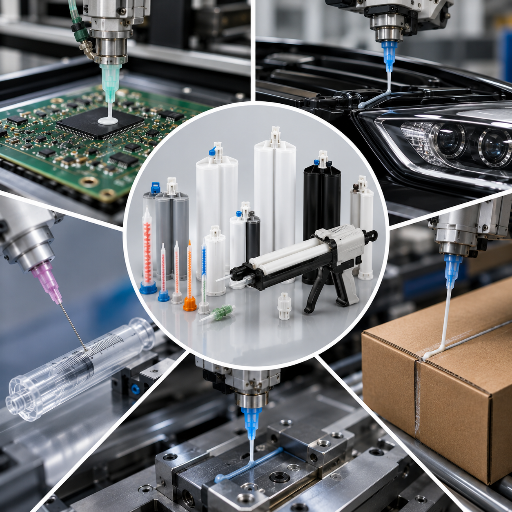
Industrial adhesive cartridge applications are the industry-specific ways two-component cartridge packaging and dispensing systems get used to bond, seal, and pot parts. They span aerospace, automotive, medical, construction, and electronics — and each one demands a different cartridge format, mix ratio, and static mixer. Ebestron manufactures the empty dual cartridges, dispensing guns, and mixing tubes that package and apply 2-K adhesives across all five, built to drop into the dispensing systems your line already runs.
25–1500 mL
Cartridge volume range
1:1–10:1
Mix ratios supported
A/B/C/F
OEM system compatibility
5 Industries
Application sub-pages
Direct
Manufacturer, not reseller
ISO 9001
Quality-managed production
Why Industrial Adhesive Cartridge Packaging Is Industry-Specific
A two-component adhesive only performs if it leaves the nozzle on-ratio and fully mixed. When an aerospace assembler grabs the wrong cartridge format, or a body shop pairs a 2:1 panel-bond cartridge with a 1:1 dispensing gun, the result is the same: a soft, under-cured bond that fails inspection and scraps the part.
What goes wrong is rarely the chemistry — it is a mismatch between the cartridge, the gun drive, and the static mixer. A dispensing gun has to match the cartridge ratio, cartridge size, and thrust requirement of the adhesive system, and the static mixer has to carry enough elements for that specific resin.
That is the problem this hub solves. Instead of sorting cartridge hardware by brand or by milliliter the way a catalog does, Ebestron organizes it the way a buyer actually specifies a job: by industry, by adhesive chemistry, and by the standard the finished bond has to satisfy. Each industry below links to a dedicated application page; the matrix that follows is the fastest way to see where your application lands. We manufacture the empty cartridges, dispensing guns, and static mixing tubes directly, so the packaging is matched to the dispensing system rather than sold as a generic part. Whether the bond is placed by a manual gun, a benchtop dispenser, or an automated adhesive dispensing cell, the cartridge is the interface between the fluid and the dispensing equipment.
Industry Application Solutions
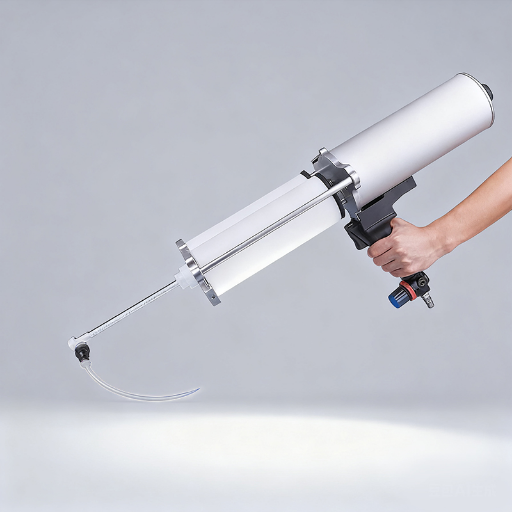
Aerospace Adhesive
Low-outgassing chemistry screened to ASTM E595 to prevent volatile condensation.
Format: Bayonet 50 mL & SxS
Ratio: 1:1 / 2:1
Mixer: 15–24 elements
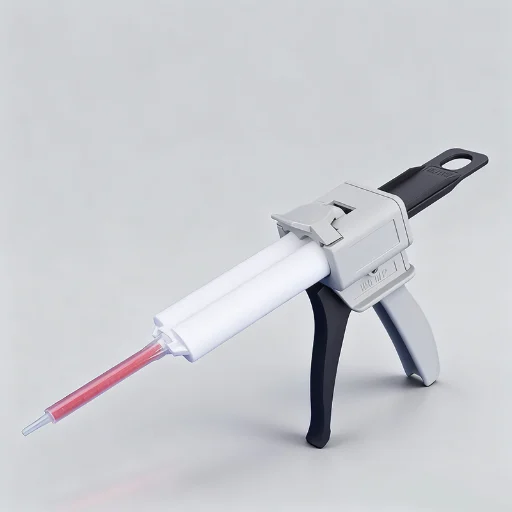
Automotive Panel
Bulge-resistant body keeps ratio honest under thrust, preventing soft joints.
Format: SxS 200/400 mL
Ratio: 1:1 / 2:1
Drive: manual / pneumatic
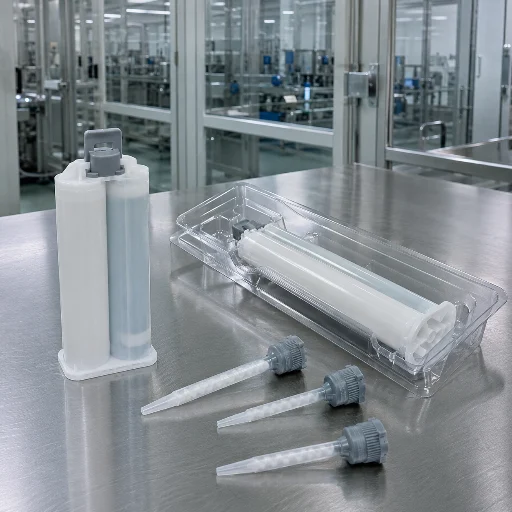
Medical-Grade
Clean, repeatable bead with zero entrained air for ISO 10993 assemblies.
Format: Bayonet 50 mL
Mixer: 15–30 elements
Tip: luer-lock / needle
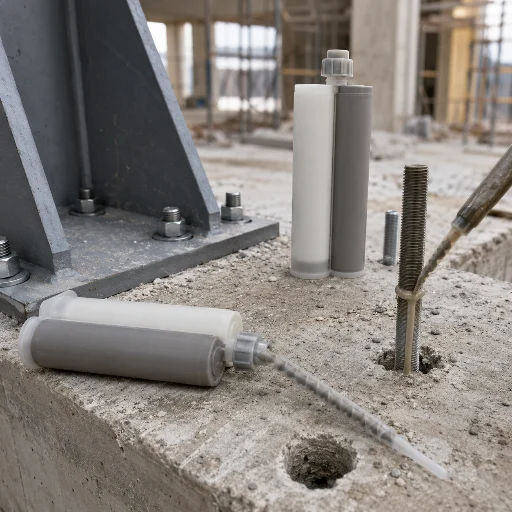
Construction Anchor
Keeps anchor mortar on-ratio at bottom of deep holes (ICC-ES AC308).
Format: Coaxial / u-TAH / SxS
Ratio: 1:1 / 3:1 / 10:1
Vol: 300–600 mL
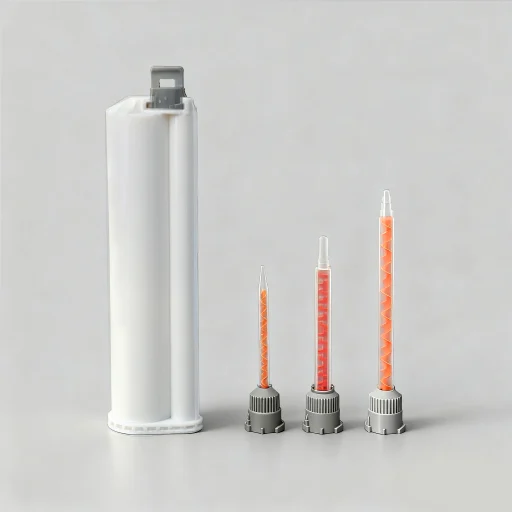
Electronics Potting
Dispenses void-free to UL 1446 and UL 94, protecting power modules.
Format: SxS + mixer
Ratio: 1:1 / 2:1 / 4:1
Cure: epoxy/silicone/UV
5-Industry Adhesive Cartridge Matrix
| Industry | Typical 2-K chemistry | Cartridge format | Mix ratio | Volume band | Governing standard |
|---|---|---|---|---|---|
| Aerospace & Defense | Epoxy, low-outgas | Bayonet 50 mL / SxS | 1:1, 2:1 | 50–200 mL | ASTM E595 |
| Automotive (panel) | Epoxy / MMA / urethane | Side-by-Side | 1:1, 2:1 | 200–400 mL | OEM body-repair |
| Medical Devices | Epoxy / UV / silicone | Bayonet 50 mL | 1:1, 10:1 | 50–200 mL | ISO 10993 / USP VI |
| Construction (anchor) | Epoxy / vinylester | Coaxial / u-TAH | 1:1, 3:1, 10:1 | 300–600 mL | ICC-ES AC308 |
| Electronics (potting) | Epoxy / silicone / UV | SxS + static mixer | 1:1, 2:1, 4:1 | 50–400 mL | UL 1446 / UL 94 |
| General assembly | Acrylic / epoxy | SxS / DIY syringe | 1:1, 4:1 | 25–400 mL | ISO 9001 process |
| Marine & rail | Polyurethane / epoxy | SxS / coaxial | 1:1, 2:1 | 400–600 mL | Manufacturer spec |
| Dental & laboratory | Polysulfide / silicone | Bayonet 50 mL | 1:1, 5:1 | 25–50 mL | Device-maker |
Data synthesized from cartridge-system geometry (Nordson EFD), application standards, and field practice, cross-referenced against published two-component cartridge patents (ATE395271T1).
Request Format & Spec Sheet →2-K Chemistry-to-Hardware Decision Tree
The most expensive mistake in two-component dispensing is over-specifying the static mixer. Buyers assume more elements always means a stronger bond, so they pay for a 36-element mixer when 18 would have cured the joint to full strength. Field data says otherwise: most two-part epoxies reach full mechanical properties with a 15–24 element mixer, and adding elements past that mainly improves the visual streak-free appearance, not the bond.
A GE silicone installation sheet states it plainly — mixers with less than 30 spiral elements “may not always yield a visually acceptable mix quality (even though full adhesion and mechanical properties… are met)” . So the right answer is not “more,” it is “matched to the chemistry and the ratio.”
This decision tree maps each common 2-K chemistry to the cartridge format, ratio, and mixer element count that actually delivers it. The element ranges are Nordson EFD’s published figures, and the rule of thumb is consistent: a 1:1 ratio tends toward the low end of the range, while wide ratios (4:1 and above) push toward the high end . The static-mixing principle behind these disposable tubes is documented in dispensing patents such as US 4,538,920.
SEQ
2-K Chemistry
Typical Industry
01.
Acrylic
General assembly
Cartridge Format
DIY syringe / Side-by-Side
Common Ratio
1:1, 4:1, 10:1
Mixer Elements
08 – 10
02.
Epoxy (structural)
Aerospace, automotive
Cartridge Format
Side-by-Side / Bayonet
Common Ratio
1:1, 2:1
Mixer Elements
15 – 24
03.
Epoxy (potting)
Electronics
Cartridge Format
Side-by-Side + static mixer
Common Ratio
1:1, 2:1, 4:1
Mixer Elements
15 – 24
04.
MMA (methacrylate)
Automotive, metal bonding
Cartridge Format
Side-by-Side
Common Ratio
1:1, 10:1
Mixer Elements
16 – 24
05.
Polyurethane
Marine, construction
Cartridge Format
Side-by-Side / coaxial
Common Ratio
1:1, 2:1
Mixer Elements
24 – 36
06.
PU foam
Insulation, sealing
Cartridge Format
Side-by-Side
Common Ratio
1:1
Mixer Elements
10 – 24
07.
Silicone (2-part)
Electronics, medical
Cartridge Format
Side-by-Side / Bayonet
Common Ratio
1:1, 10:1
Mixer Elements
20 – 30
08.
Polysulfide
Aerospace sealing, dental
Cartridge Format
Side-by-Side
Common Ratio
1:1, 2:1
Mixer Elements
24 – 32
09.
Vinylester (anchor)
Construction anchoring
Cartridge Format
Coaxial / u-TAH
Common Ratio
3:1, 10:1
Mixer Elements
21 – 36 (long)
10.
Cyanoacrylate hybrid
Precision assembly
Cartridge Format
DIY syringe / Bayonet
Common Ratio
1:1
Mixer Elements
08 – 12
“We size the static mixer to the resin first, then the ratio. A customer once asked us for a 32-element mixer on a 1:1 epoxy — we shipped an 18-element tube, ran the bond test with them, and it passed full lap-shear. They cut their mixer cost in half and never lost a part to a weak bond.”
Buyer takeaway
Match the mixer element count to your chemistry and ratio, not to a “more is better” instinct. If you tell us the resin family and the ratio, we recommend the cartridge body and mixer that delivers full mechanical properties without paying for elements your bond does not need.
OEM Cartridge Interchange Table
Most buyers are not starting from zero — they already run dispensing guns built for a specific cartridge system, and switching suppliers means proving the new cartridge drops into that gun. Dominant in the field are the A, B, C, and F geometries (Sulzer Mixpac) and Nordson EFD’s Side-by-Side and u-TAH families. Ebestron manufactures cartridges, pistons, and static mixers built to those same dimensions and connection types, so the hardware fits the gun and mixer your line already uses. This interchange table is the fastest way to find your equivalent before you request samples.
| Cartridge class | Volume | Ratio | Common OEM reference | Mixer connection | Ebestron equivalent |
|---|---|---|---|---|---|
| A-System | 50 / 75 mL | 1:1, 2:1, 4:1, 10:1 | Mixpac A-System | Bayonet | Drop-in A-format |
| B-System | 50 mL (2×25) | 1:1, 2:1 | Mixpac B-System | B-connection / bell | Drop-in B-format |
| C-System | 200 / 400 mL | 1:1, 2:1, 4:1, 10:1 | Mixpac C-System | Bell / integral nut | Drop-in C-format |
| F-System | 200 / 400 mL | 1:1, 2:1, 10:1 | Mixpac F-System | Bell | Drop-in F-format |
| Side-by-Side | 200 / 300 / 400 / 600 mL | 1:1, 2:1, 4:1 | Nordson EFD SxS | Bell / integral nut | Drop-in SxS |
| Bayonet | 50 / 160 mL | 1:1, 10:1 | EFD bayonet | Bayonet only | Drop-in bayonet |
| u-TAH universal | 250 / 310 mL | 1:1 | Nordson u-TAH | 7/8-9 thread | Caulk-gun universal |
| Coaxial | 380 mL | 1:1, 4:1, 10:1 | Coaxial cartridge | 7/8-9 thread | Coaxial equivalent |
| DIY dual syringe | 4–30 mL | 1:1, 2:1 | Manual syringe | Blunt / needle tip | Syringe equivalent |
| Large industrial | 1200 / 1500 mL | 1:1, 2:1 | Bulk dual cartridge | Bell | High-volume format |
OEM brand names are listed for fit reference only; Ebestron is an independent manufacturer of compatible cartridge hardware and is not affiliated with or endorsed by these brands. The side-by-side and coaxial geometries these formats share are described in cartridge patents such as US 2011/0081499.
Direct-Source Cost Bridge
There is an honest truth the catalog resellers do not lead with: a two-component cartridge costs more per milliliter than the same adhesive bought in bulk. Trade press is blunt about it — “dual-cartridge dispensers save time for assemblers who do not use bulk adhesive; however, the cartridges are typically more expensive,” and any dual-component package carries more waste than a single-component one. So why do aerospace, medical, and field-service teams still choose cartridges? Because the total cost of a job is not the price of a milliliter. Cartridges eliminate the metering pump and mixing equipment capex, remove the mix-ratio errors and cross-contamination that scrap parts, and let one operator dispense on demand with no setup.
For low-to-medium volume and field work, that math favors the cartridge. At higher volumes the same formats feed adhesive dispensing systems and adhesive dispensing equipment — from a benchtop meter mix dispensing system and spray valves to an automatic adhesive dispenser or robotic adhesive dispenser — so a line scales without re-qualifying the adhesive. Those fluid dispensing systems share the same cartridge geometry, so moving from a hand tool to an automated dispensing solution changes only the accuracy and throughput, never the resin, the mix ratio, or the static mixer. We also supply the cartridge filling accessories, pistons, and pump systems that keep a higher-viscosity resin compatible with the same gun, so reliability holds as volume grows. The honest trade-off is simple: a cartridge buys convenience and on-ratio certainty, not cheaper material per milliliter. We will not claim a cartridge makes a marginal adhesive perform better — it just delivers a good adhesive correctly.
Where Ebestron changes the equation is the cartridge premium itself. Those same empty cartridges that reach a buyer at $5 to $15 per unit through a distributor (premium Mixpac formats list far higher) come from a factory like ours. Buying the cartridge hardware direct from the manufacturer removes the distribution markup without touching the convenience that made you choose a cartridge in the first place.
2 levers
Total dispensing cost moves on the cartridge premium and the mixer count — the two we control as a direct manufacturer.
Framework based on trade-press cost analysis (adhesivesmag, Assembly Magazine, Forgeway). Exact savings depend on volume — request a per-format quote.
Want your landed cost by format?
Request a Quote →Quality & Standards Alignment
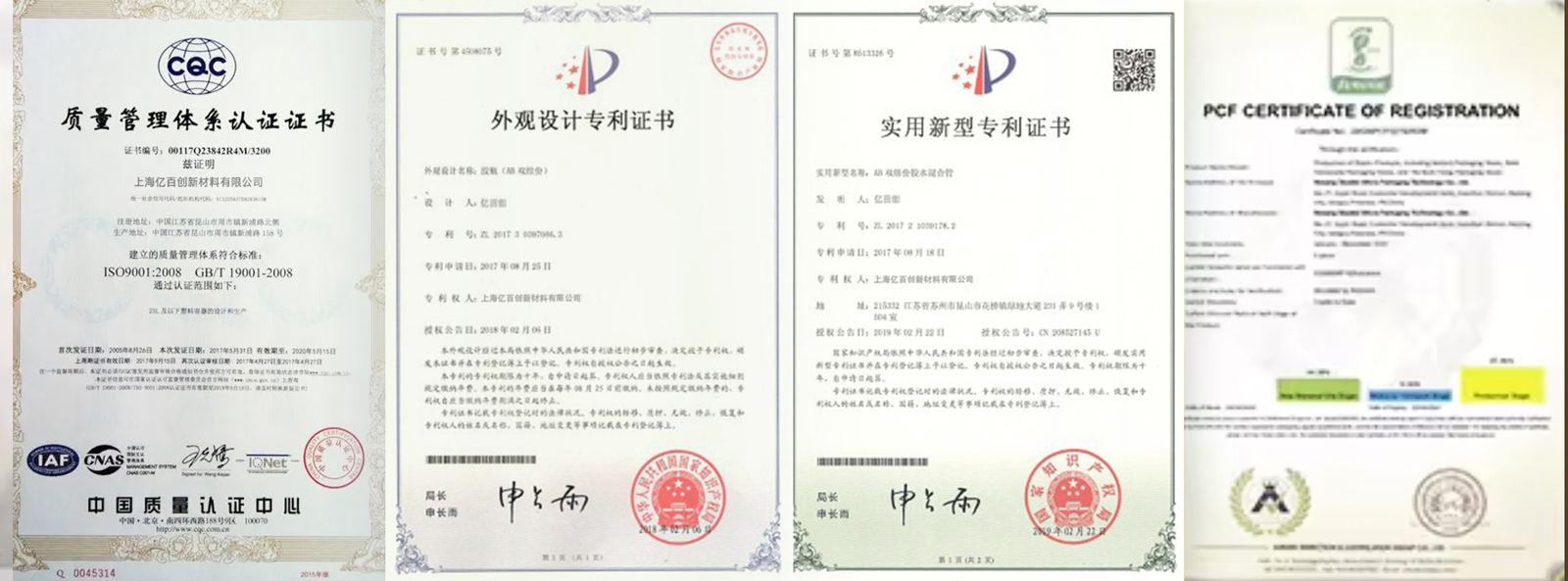
Two layers of standards apply to an adhesive cartridge application. The first is the manufacturing quality system behind the hardware; the second is the application standard the finished bond must satisfy. Ebestron produces cartridges, pistons, guns, and mixing tubes under an ISO 9001-managed process so dimensional fit and lot-to-lot consistency hold across a validated line. The application standards below belong to the qualified adhesive — our hardware is built to package and dispense materials that have to meet them, which is why format, outlet, and mixer choice are specified per industry rather than sold generically.
ISO 9001
Cartridge production QMS
ASTM E595
Aerospace low-outgas (material)
ISO 10993
Medical biocompat (material)
UL 1446 / 94
Electronics potting (material)
ICC-ES AC308
Anchor adhesive (material)
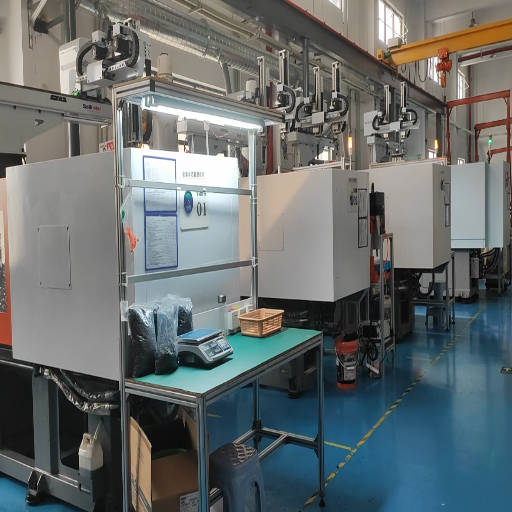
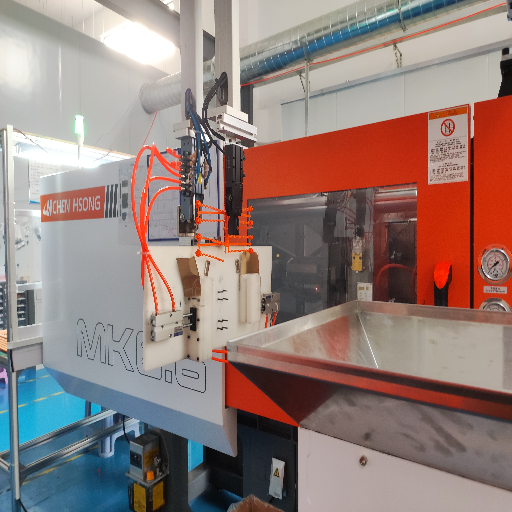
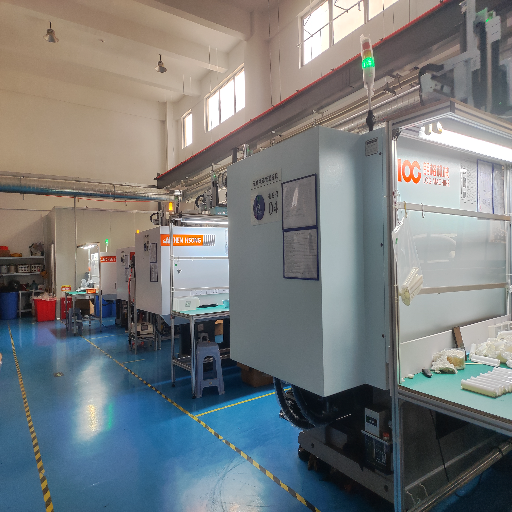
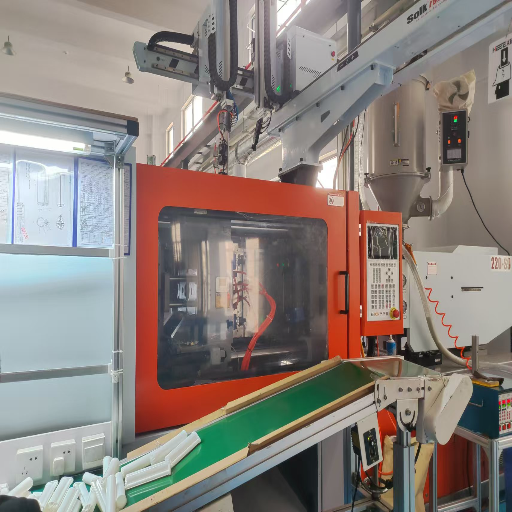
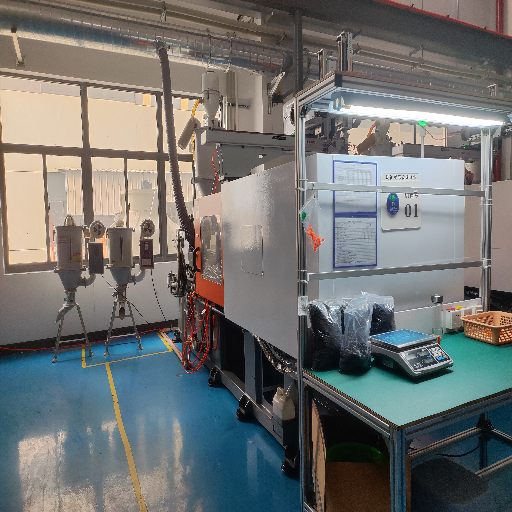
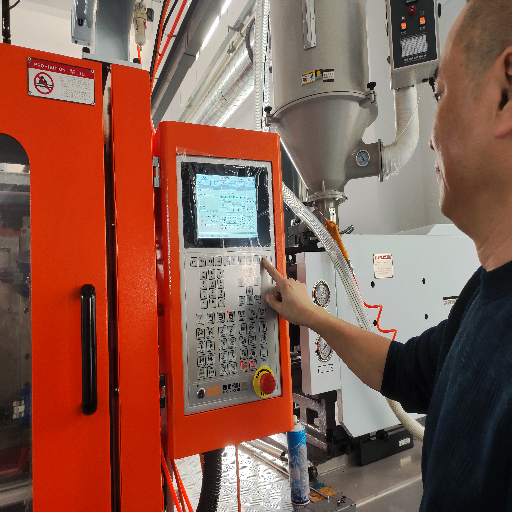
Advanced Production Line Automation
Engineered for absolute precision, uninterrupted speed, and seamless scalability. Explore our state-of-the-art automated manufacturing facilities driving global industry standards.
+
+
+
+
+
+
+
+

×
![Zoomed View]()

Procurement Guide: Specifying, Sizing & Sourcing Cartridge Hardware
Sourcing two-component cartridge hardware is a specification exercise before it is a price exercise. Several variables drive both fit and cost: cartridge volume, mix ratio, the OEM system you have to match, whether you need a bundled static mixer, custom print or color, and your order volume. Get those right up front and the quote is straightforward; get them wrong and you pay in re-tooling and scrap, because the cartridge dispensing equipment on your line is built around a specific format. Rather than publish a list price that ignores your format, we quote against your application parameters.
One field-proven point worth flagging:
the most common reliability problem in two-part dispensing is not the cartridge at all — it is skipped maintenance on the gun and mixer interface, which Assembly Magazine calls the biggest mistake assemblers make with metering and mixing equipment . Whether you integrate the cartridge into a manual workflow, a controller-driven assembly process, or an automation cell, durability depends on a precise, on-ratio mix and a well-maintained handling routine. Matching the cartridge to a well-maintained gun is half the durability story; confirming the supplier runs an ISO 9001 quality system is the other half. For pricing specifics by format and volume, contact Ebestron for a quotation based on your application parameters.
Request a Quote / Get Free Samples →What to confirm before you order
- 01 Cartridge system and volume your guns accept (A/B/C/F, Side-by-Side, u-TAH).
- 02 Mix ratio of your adhesive.
- 03 Static mixer element count for your chemistry (see the decision tree above).
- 04 Whether you need pistons, caps, and mixers bundled.
- 05 Annual volume for tooling and lead-time planning.
Send those five and we return a per-format quotation and samples.
Advanced Dispensing System Tools
Cartridge-System Fit Finder
Pick your adhesive chemistry, mix ratio, and shot size. The finder returns the cartridge format, static-mixer element count, and OEM-equivalent class Ebestron manufactures for it.
Launch Fit FinderStatic Mixer Element Calculator
The right element count is matched to your chemistry and ratio — not “the more the better.” Over-specifying just adds cost.
Access CalculatorOEM Cartridge Cross-Reference
Already running a specific dispensing gun? Find the Ebestron-equivalent cartridge class, volume options, and mixer connection before you request samples.
View Cross-ReferenceYou need a gun that matches the cartridge’s ratio, size, and thrust requirement — not necessarily a different gun for every job. A 50 mL bayonet cartridge and a 400 mL Side-by-Side cartridge use a different dual cartridge gun, but within a system family one gun usually covers a range of volumes. Tell us the cartridge system your guns accept and we confirm fit before you buy.
Match the element count to the chemistry and ratio: roughly 8–10 for acrylics, 15–24 for epoxies, 20–30 for silicones, and 24–36 for polyurethanes, with 1:1 ratios at the low end and wide ratios at the high end. More elements past the chemistry’s range mainly improve visual mix appearance, not bond strength — so over-specifying just adds cost.
Per milliliter, yes — cartridges cost more than the same adhesive in bulk. They win on total cost for low-to-medium volume and field work because they remove metering-pump capex, mix-ratio errors, and cross-contamination. Buying the cartridge hardware direct from the manufacturer cuts the part of that premium you are paying to a distributor.
A static mixer is the disposable spiral nozzle on the cartridge. As the two components are pushed through its internal elements, they fold together into a uniform, on-ratio mix without any moving parts — the mixing happens in the nozzle, at the point of dispense. When the leftover material cures in the nozzle, you throw the nozzle away and fit a fresh one rather than cleaning a pump.
Yes. Ebestron manufactures cartridges, pistons, and mixers built to the A/B/C/F and Side-by-Side geometries those guns use, so the hardware drops into your current dispensing system — the same dual-fluid cartridge geometry documented in patents like US 6,848,480. Use the interchange table above to find your format, then request a compatibility cross-reference and samples.
Trending now