Get in touch with Ebestron Company
Empty Two-Component Adhesive Cartridges, Bulk Wholesale & OEM
50ml to 1500ml Barrels PP / PA / PBT Mixpac & Nordson Compatible Low-MOQ OEM
When you fill your own cartridge with two-part adhesive, that empty cartridge is the part that quietly decides whether the chemistry survives storage. Buyers searching for empty epoxy cartridges in bulk usually compare price per unit and stop there. What matters more is which barrel material and which system your adhesive actually needs, because not every empty cartridge fit every adhesive. Ebestron builds the full range factory-direct, so you match material, ratio and system to your formulation instead of paying a distributor markup for a label.
Get a Bulk / OEM Quote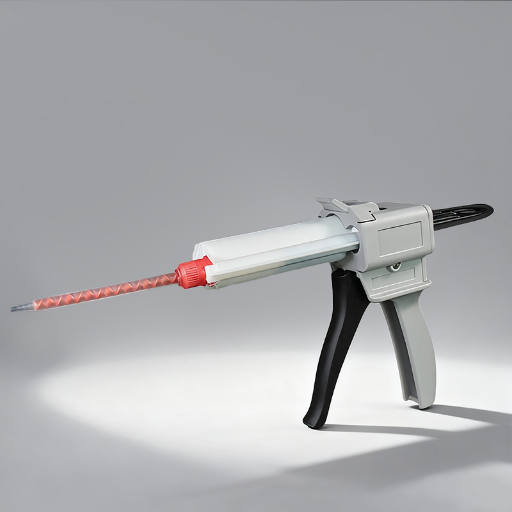
50–1500ml
Cartridge volume range
PP / PA / PBT
Barrel materials
1:1 · 2:1 · 4:1 · 10:1
Mix ratios
A/B/C/F/S
System compatibility
ISO 9001
QMS + REACH / RoHS
OEM
Private label + custom color
All buyers
Why Bulk Empty-Cartridge Sourcing Goes Wrong, and the Factory-Direct Fix
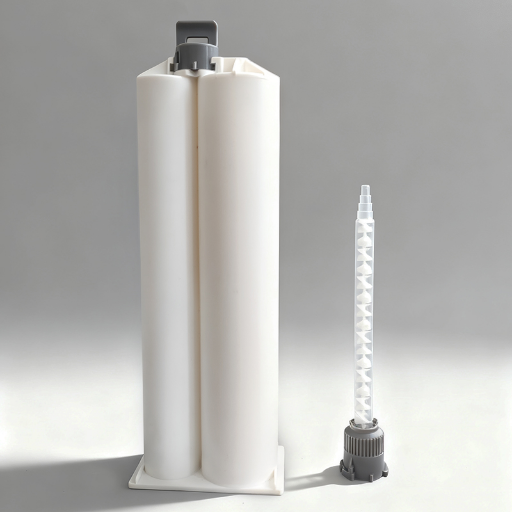
An empty two-component cartridge is the unfilled side-by-side dual barrel you fill with your own resin and hardener; a static mixer screws onto the outlet and a piston push both chambers at the set ratio. That much is simple. Here’s the honest version of what trips up bulk buyers: most sourcing decisions are made on unit price, and the cheapest cartridge can still ruin the adhesive inside it.
// 01. Engineering Analysis
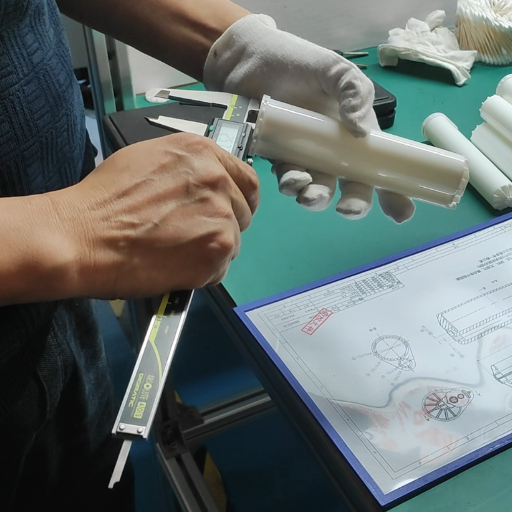
A common assumption fail here, buyers treat an empty cartridge as a generic plastic tube, so they order the lowest-priced 50ml dual barrel and fill it with whatever chemistry they run. When that chemistry is a methacrylate (MMA), a polypropylene wall let the volatile acrylic monomers diffuse out, because polypropylene is permeable to those monomers and can cut usable shelf life by up to 30%. That’s an expensive, hidden failure: the product looks fine on the shelf and fail on the line. Matching the barrel material to the chemistry fixes it, PA or PBT for MMA, PP for epoxy, polyurethane and silicone, a rule Ebestron applies in production and that the Adhesives & Sealants Industry packaging literature confirms.
// 02. Supply Chain Structure
This is the structural reason a factory that run its own production line beats a reseller here: the people who mold the barrel choose the material. Whether you’re an EU buyer qualifying a second source or a US buyer consolidating spend, the trade-off, material versus price — (the dispensing mechanism behind every dual cartridge is detailed in USPTO patent US7815384B2) is what separates a cartridge that protect your adhesive from one that shortens its shelf life. Everything below is organized so a procurement lead, an application engineer and a plant manager can each find the answer they came for.
Engineer Procurement (RFQ)
Ebestron Empty Cartridge Range, 50ml to 1500ml, PP / PA / PBT Barrels
We produce empty dual cartridges across the volumes industrial fillers actually order, in all four standard mix ratios, in three barrel materials. Whether you need an empty 50ml cartridge for prototyping or an empty 200ml cartridge for line dispensing, sizes confirmed in production include 50ml, 75ml, 100ml, 200ml, 250ml, 400ml and 1500ml, supplied with sealing pistons, end caps and O-ring seals; static mixers (10-element to 24-element) and dynamic mixers ship as matched accessories.
Volume Range Specifications
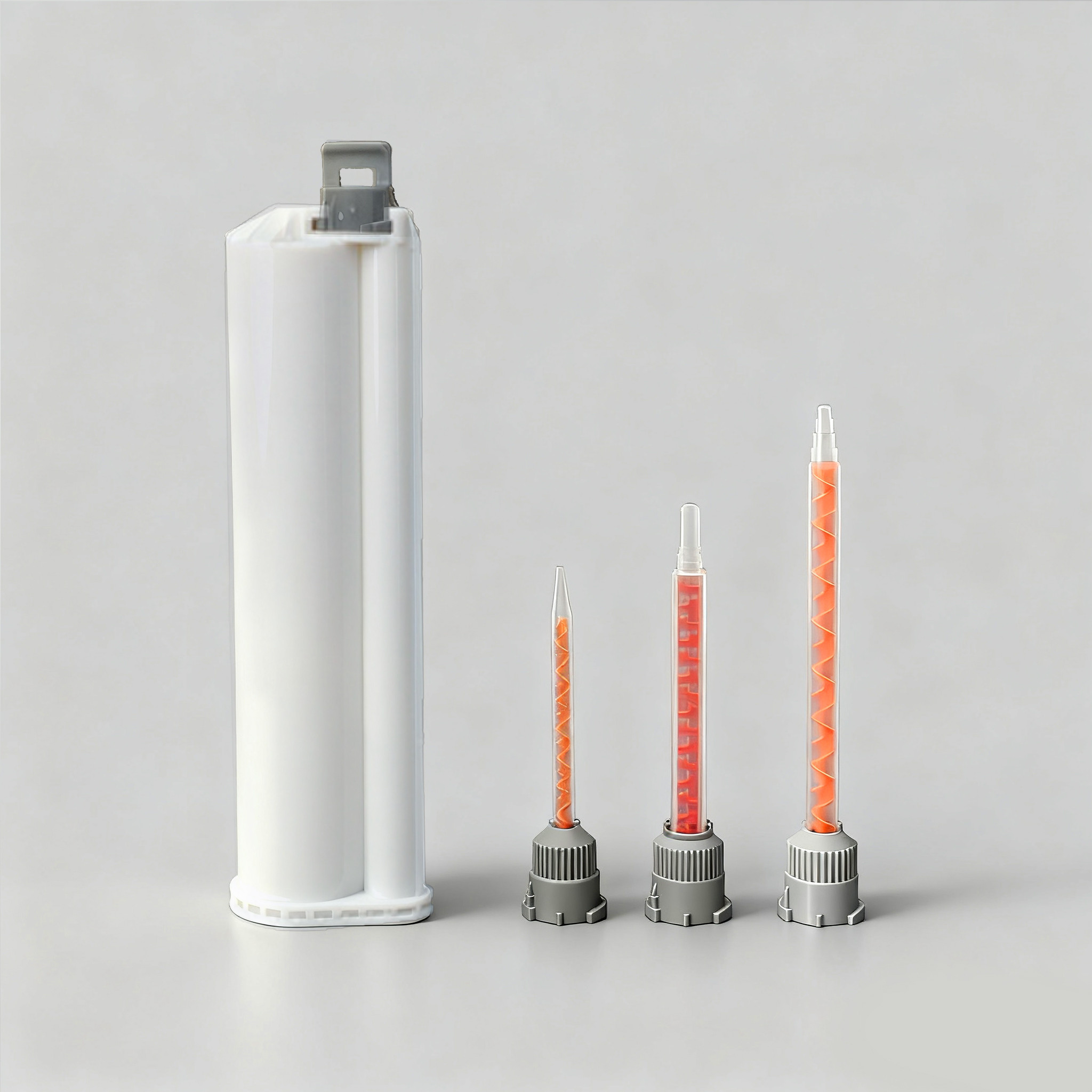
50 / 75ml
A- and B-System dual barrel, PP / PA / PBT. Prototype and small-batch filling.
Low MOQ · 1:1–10:1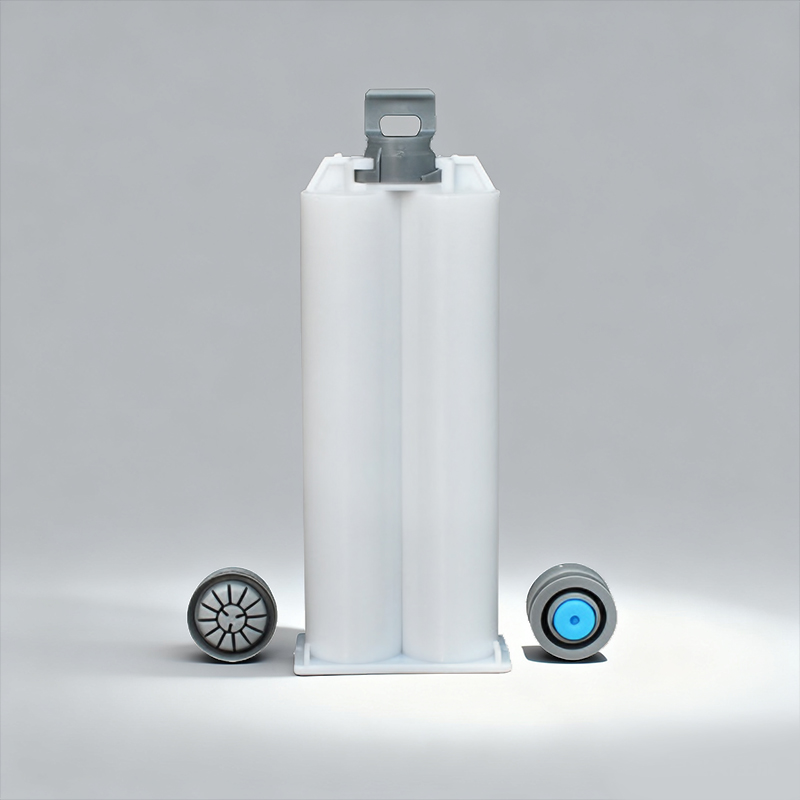
100 / 200ml
C-System side-by-side, PP or PBT. Line-rate dispensing with manual or pneumatic guns.
Bulk tiers · 1:1–10:1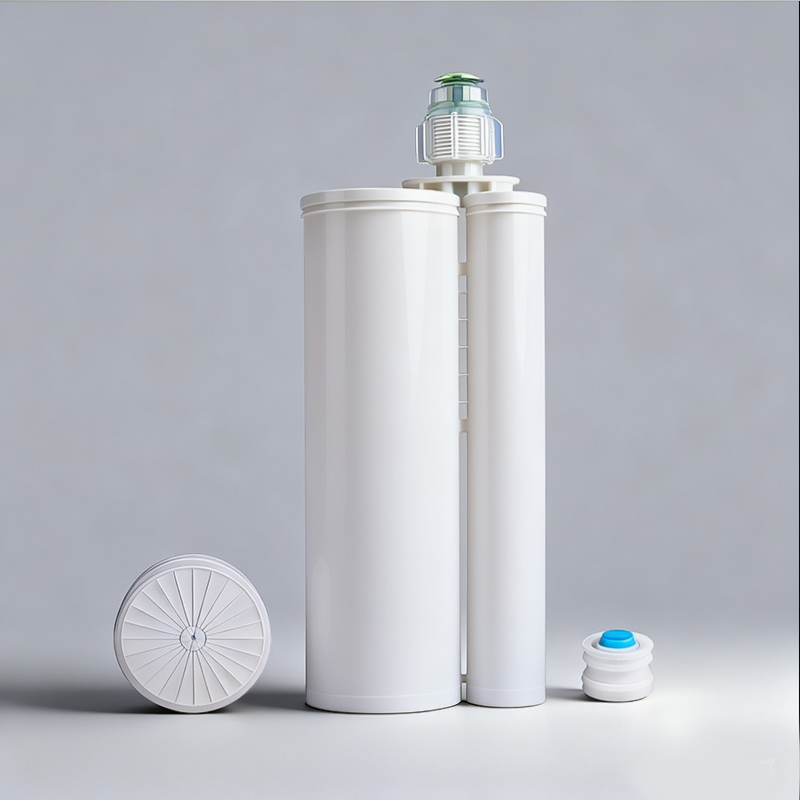
250 / 400ml
C- and F-System, PBT for reactive chemistries. Mid-to-high volume assembly.
Bulk tiers · 4:1 / 10:1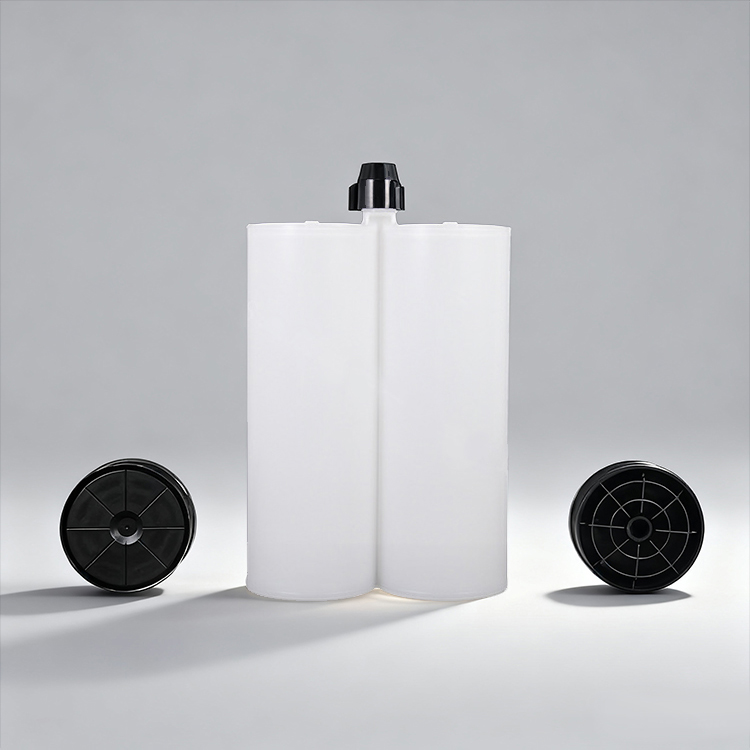
1500ml
Large-format dual barrel for pneumatic dispensers. Construction and high-throughput lines.
Project MOQ · 1:1 / 2:1Engineering note, piston & seal design
The dispensing accuracy of a dual cartridge come from the piston seal, not just the barrel. Each chamber is sealed by a self-venting lip-seal piston that traps no air on the first stroke, and a one-way twist-lock cap that assembles a single way to prevent cross-contamination between resin and hardener. This principle is documented in USPTO patent US8668399B2, which describes parallel reservoirs whose piston seals advance simultaneously to discharge both components into one static mixing nozzle. Our pistons hold this geometry across the 50–1500ml range so a filled cartridge dispenses on-ratio from the first bead.
“We will not claim a no-name barrel matches a brand cartridge on every spec. What we control is the part that fails silently, we run PBT for any methacrylate fill, because we have seen PP-filled MMA lose weeks of shelf life before it ever reaches the line.”
This is the table buyers ask us to send before anything else. It maps each barrel material to the adhesive chemistry it protects, the typical service window, and the systems it ship in, so you specify the right empty cartridge the first time rather than discovering a shelf-life problem after filling.
| Barrel material | Adhesive chemistry | Why this material | Typical max service | Common ratio | System |
|---|---|---|---|---|---|
| PP (polypropylene) | Epoxy | Low monomer volatility; cost-efficient at volume | ~80 °C | 1:1, 2:1 | A / B / C |
| PP | Polyurethane (PU) | Non-volatile components; stable wall contact | ~80 °C | 1:1, 2:1 | A / C |
| PP | Silicone | Chemically inert pairing | ~80 °C | 1:1, 10:1 | A / B |
| PP | General sealant | High-volume, cost-driven runs | ~80 °C | 1:1 | C |
| PA (nylon) | MMA / methacrylate | Higher density blocks acrylic monomer escape | ~100 °C | 2:1, 10:1 | B / S |
| PBT | MMA / acrylic | Near-impervious to volatile monomers; protects shelf life | ~120 °C | 4:1, 10:1 | F / S |
| PBT | Anaerobic / structural acrylic | Low permeability preserves reactivity | ~120 °C | 10:1 | S |
| PBT | Fast-cure reactive | Solvent- and grease-resistant wall | ~120 °C | 4:1 | F |
| PBT | High-temp silicone | Thermal and chemical stability | ~120 °C | 1:1 | F |
| PA | Reactive polyurethane | Moderate monomer barrier | ~100 °C | 2:1 | C |
Service-temperature figures are typical industry ranges for each polymer; confirm against your adhesive’s TDS. Material-to-chemistry pairings per PBT property data and cartridge-system references.
| If you fill… | Choose volume | Material | Ratio | Best-fit system |
|---|---|---|---|---|
| Epoxy, prototype runs | 50ml | PP | 1:1 | A-System |
| MMA structural acrylic | 50ml | PBT | 10:1 | S-System |
| PU, line dispensing | 200ml | PP | 2:1 | C-System |
| Reactive acrylic, high volume | 400ml | PBT | 4:1 | F-System |
| Construction / large pour | 1500ml | PP | 1:1 | DM1500 |
Procurement Manager (budget)
Factory-Direct vs Distributor, the Empty Cartridge Sourcing Scorecard
Buyers overpay for empty cartridges because the channel hides where the cost sits. A brand-name 600ml 1:1 empty cartridge lists around $2.63 per unit at a distributor, while the same footprint runs $0.10–$1.00 direct from a factory. That gap is brand licensing and two layers of resale margin, not a difference you can dispense. Buying factory-direct removes that markup while keeping the same A/B/C/F/S footprint your guns already use, all built under ISO 9001 quality management. Sourcing empty cartridges bulk, or empty adhesive cartridges wholesale for resale, is exactly where that margin compounds.
Factory-Direct vs Distributor Sourcing Scorecard
| Sourcing factor | Ebestron (factory-direct) | Brand distributor | Marketplace seller |
|---|---|---|---|
| Unit price (600ml 1:1) | $0.10–$1.00 | ~$2.63 | $1–$3 small pack |
| Brand premium | none | 2.6–26× | low–mid |
| MOQ flexibility | low, mixed-size trial | single units, high $/unit | fixed pack sizes |
| Material choice (PP/PA/PBT) | all three | catalog-limited | usually one |
| Custom color / logo (OEM) | yes | no | rare |
| Private label | yes | no | no |
| System coverage (A/B/C/F/S) | full | full | partial |
| Certification docs (ISO/REACH/SDS) | direct from factory | resold | often none |
| Lead-time control | factory schedule | stock-dependent | dropship-variable |
| Mixer / piston / cap bundle | configurable | kit-fixed | fixed |
| Technical support | engineer-direct | reseller desk | none |
2.6–26×
Typical brand premium on empty cartridges versus factory-direct unit cost
Source: distributor list price $2.63/unit vs. factory unit cost $0.10–$1.00 (industry pricing, 2025). TCO advantage scales with annual volume.
For a line consuming 100,000 cartridges a year, that premium is the difference between a four-figure and a five-figure consumables bill, before any custom-label value is added. Honestly, the trade-off is brand familiarity versus margin you keep; for a fill-your-own operation buying at volume, the factory side win on every column except name recognition.
Engineer Procurement
Drop-In Replacement Crosswalk, Mixpac, Sulzer, Nordson & Semco Compatible
The objection we hear most is fit: will a factory cartridge seat in the gun and take the mixer you already stock? A wrong footprint is an expensive risk, a mismatched barrel jam the dispenser or wastes a 400ml fill, and the hidden cost is line downtime measured in hours.
This is a real worry for any buyer running a mixpac compatible cartridge today. Here's the structural reason it rarely happens with us: empty cartridges are built to standardized system footprints, A, B, C, F, S and the J/AA variants, because the industry settled on those templates, and Ebestron molds barrels to match them so they drop into Mixpac, Sulzer, Nordson and Semco-style hardware without retooling. Our production line hold the flange and outlet geometry to the same tolerance class, validated against USPTO-documented piston-seal designs. Below, that map crosswalks each Ebestron volume to its system, ratio range and the gun and mixer it accepts; naming follows the templates documented by Adhesives & Sealants Industry. Whether you're an industrial buyer in the EU or a US buyer, send your current part numbers and we cross-reference them.
| Ebestron volume | System footprint | Ratio range | Compatible gun | Mixer interface |
|---|---|---|---|---|
| 50ml | A-System (AA / AB) | 1:1 – 10:1 | DMA50 / standard 50ml | Bayonet |
| 50ml | B-System | 2:1 – 10:1 | B-system manual | B-mixer bayonet |
| 200ml | C-System | 1:1 / 2:1 | 200ml manual / pneumatic | Bell-mouth |
| 400ml | C-System | 1:1 | 400ml manual / pneumatic | Quadro / Helix |
| 400ml | F-System | 4:1 / 10:1 | F-system pneumatic | F-mixer |
| 1500ml | DM1500 large-format | 1:1 / 2:1 | Pneumatic dispenser | Large bell |
Because the footprint is standardized, switching supply to Ebestron doesn't strand your dispensing guns or your mixer inventory, you change the cartridge, not the hardware. Static mixer element counts (10 to 24) are selected by volume and viscosity, and ship matched to each cartridge.
Quality Control, Seal Integrity, Fit Tolerance and Defect Rate
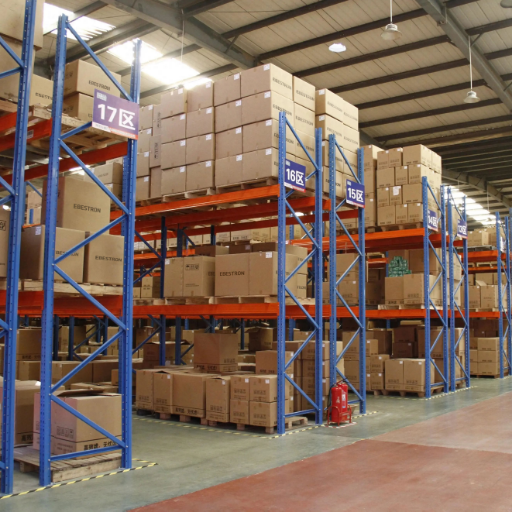
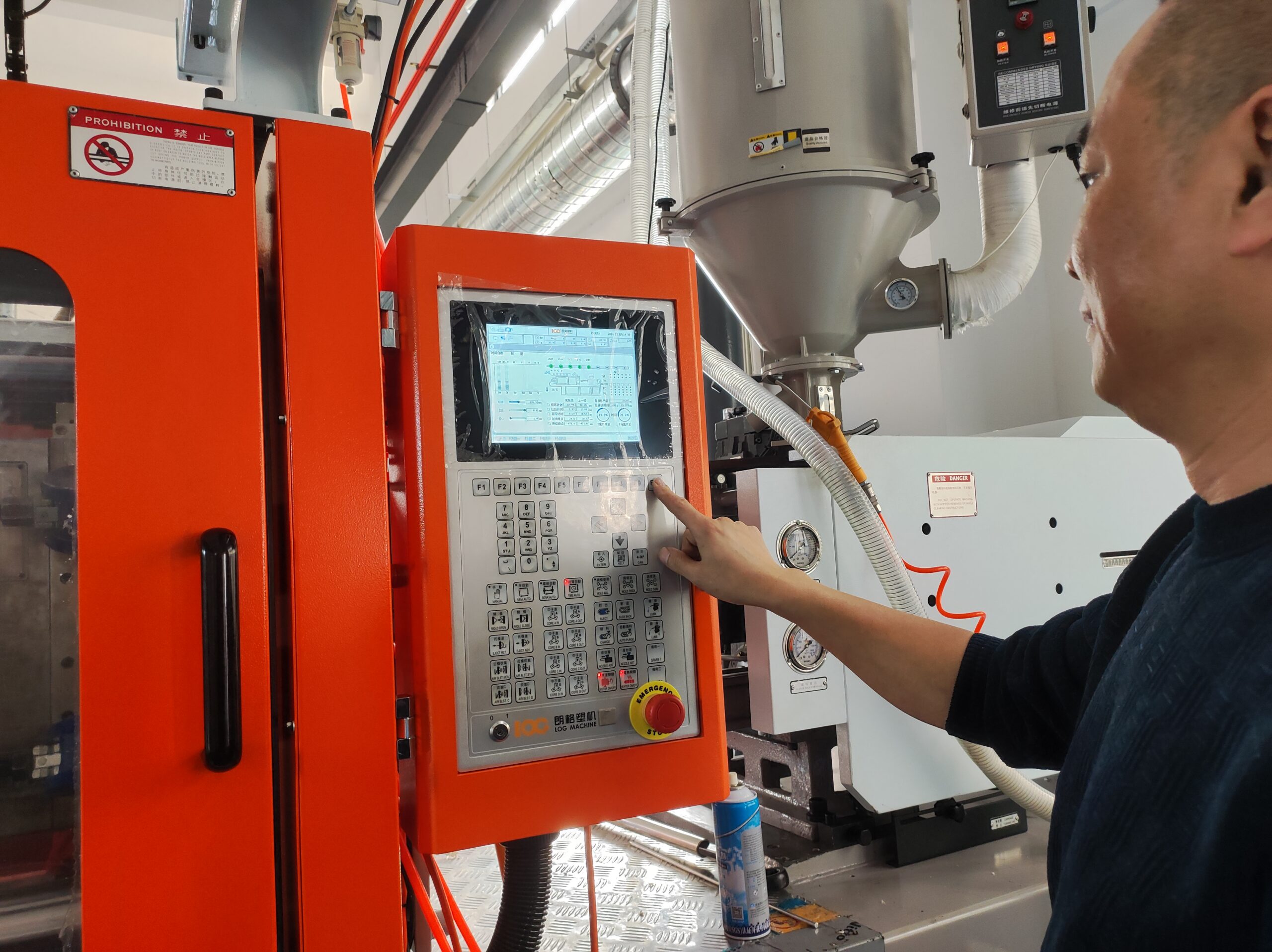
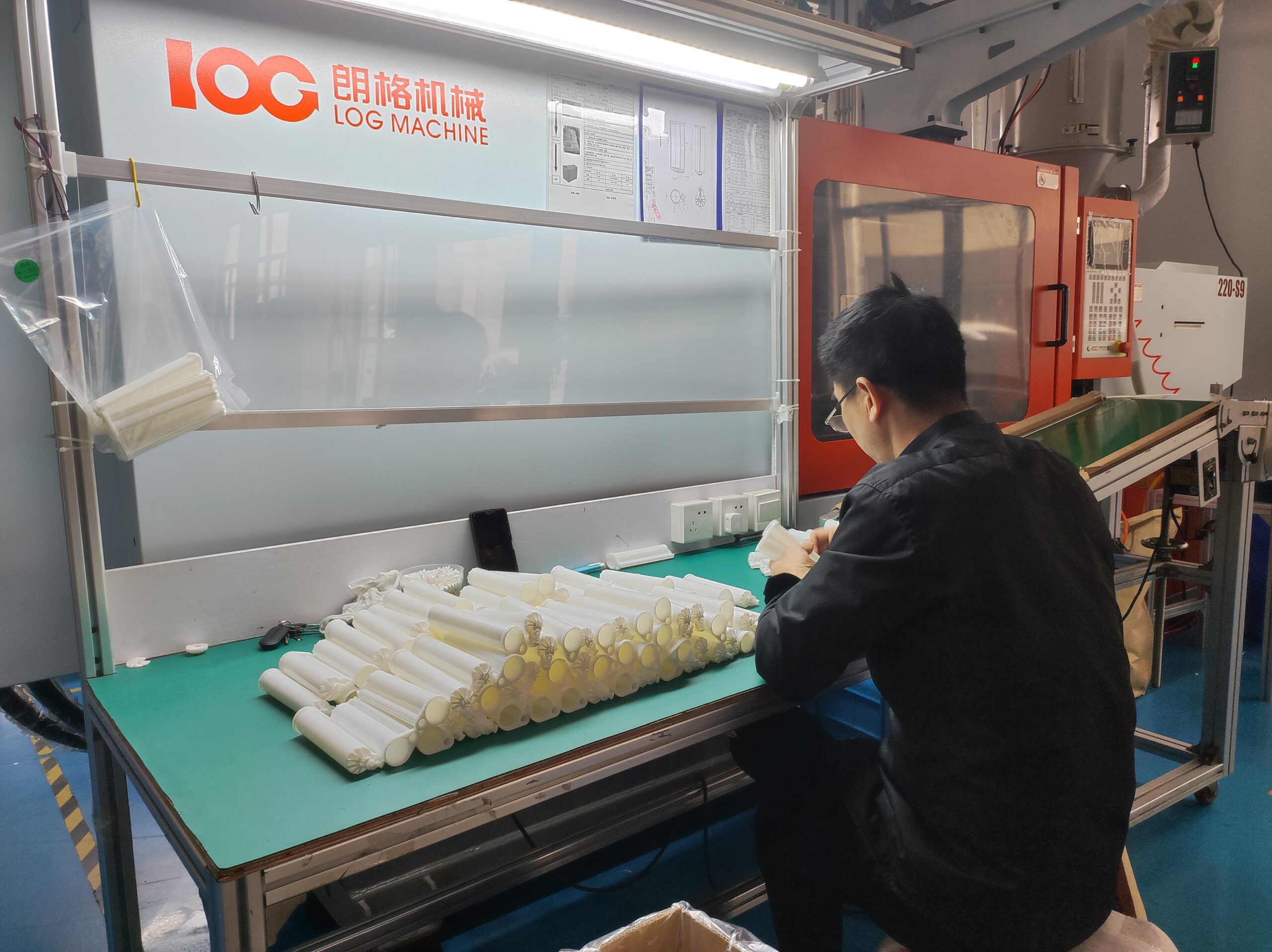
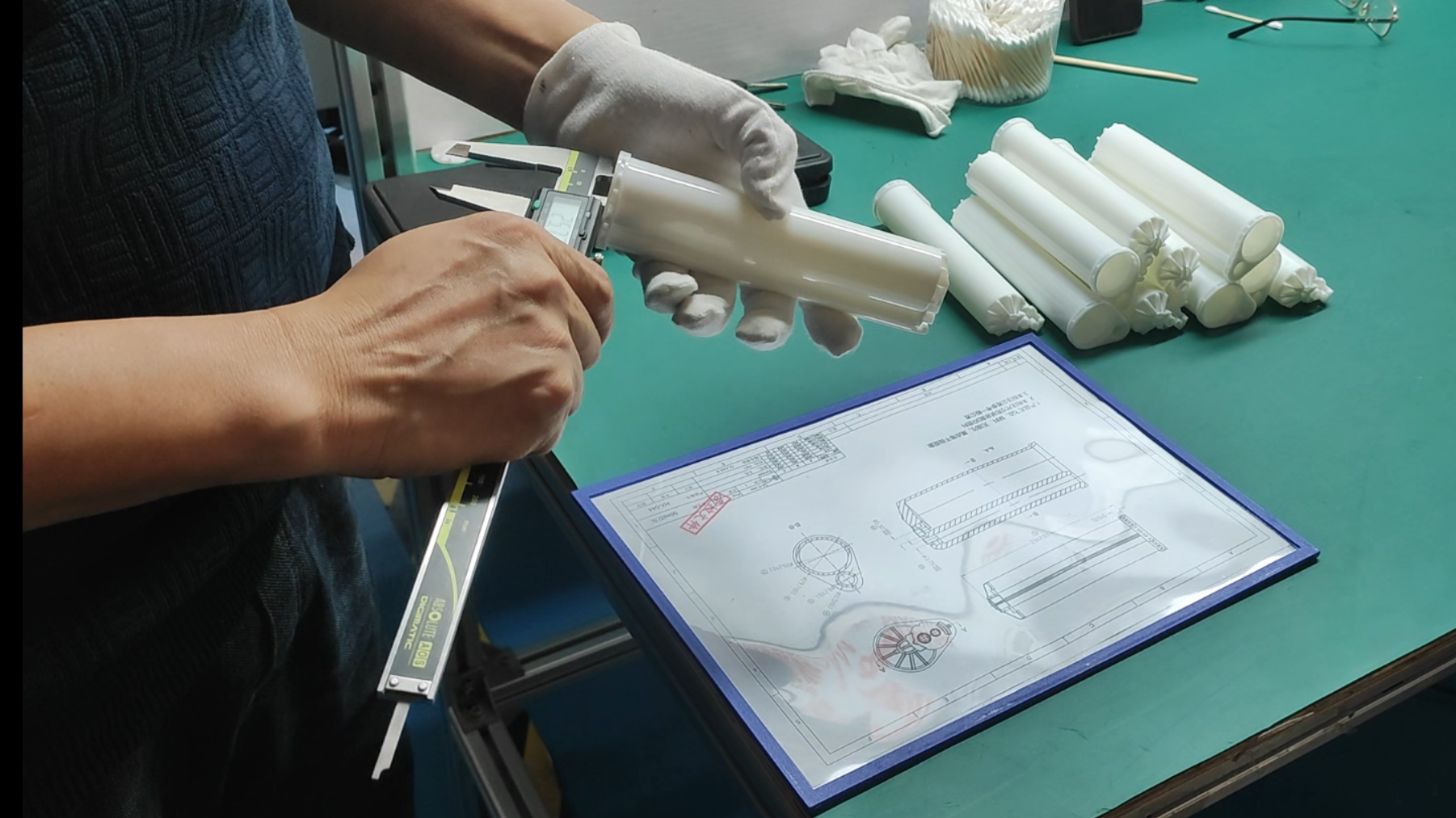
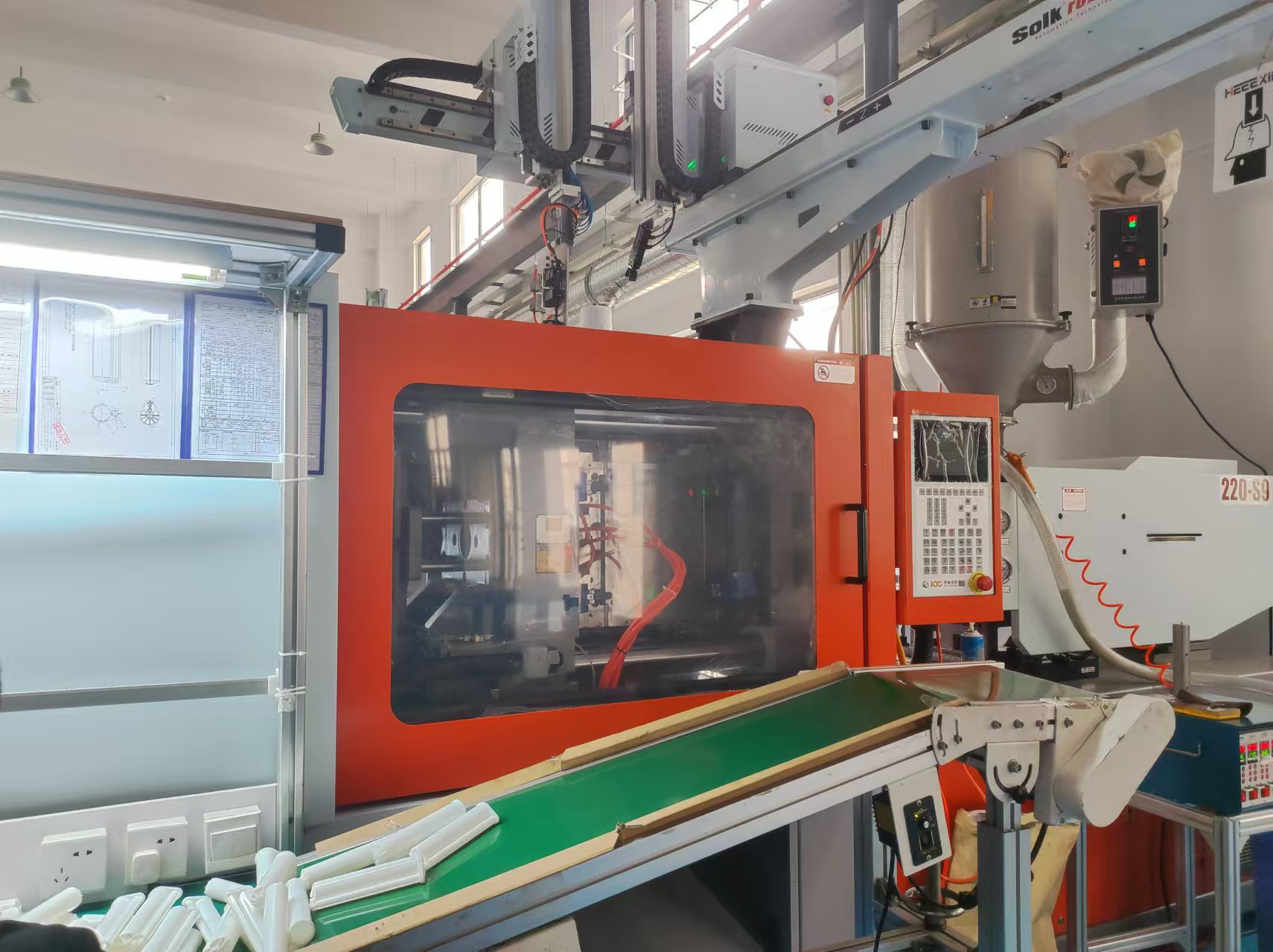
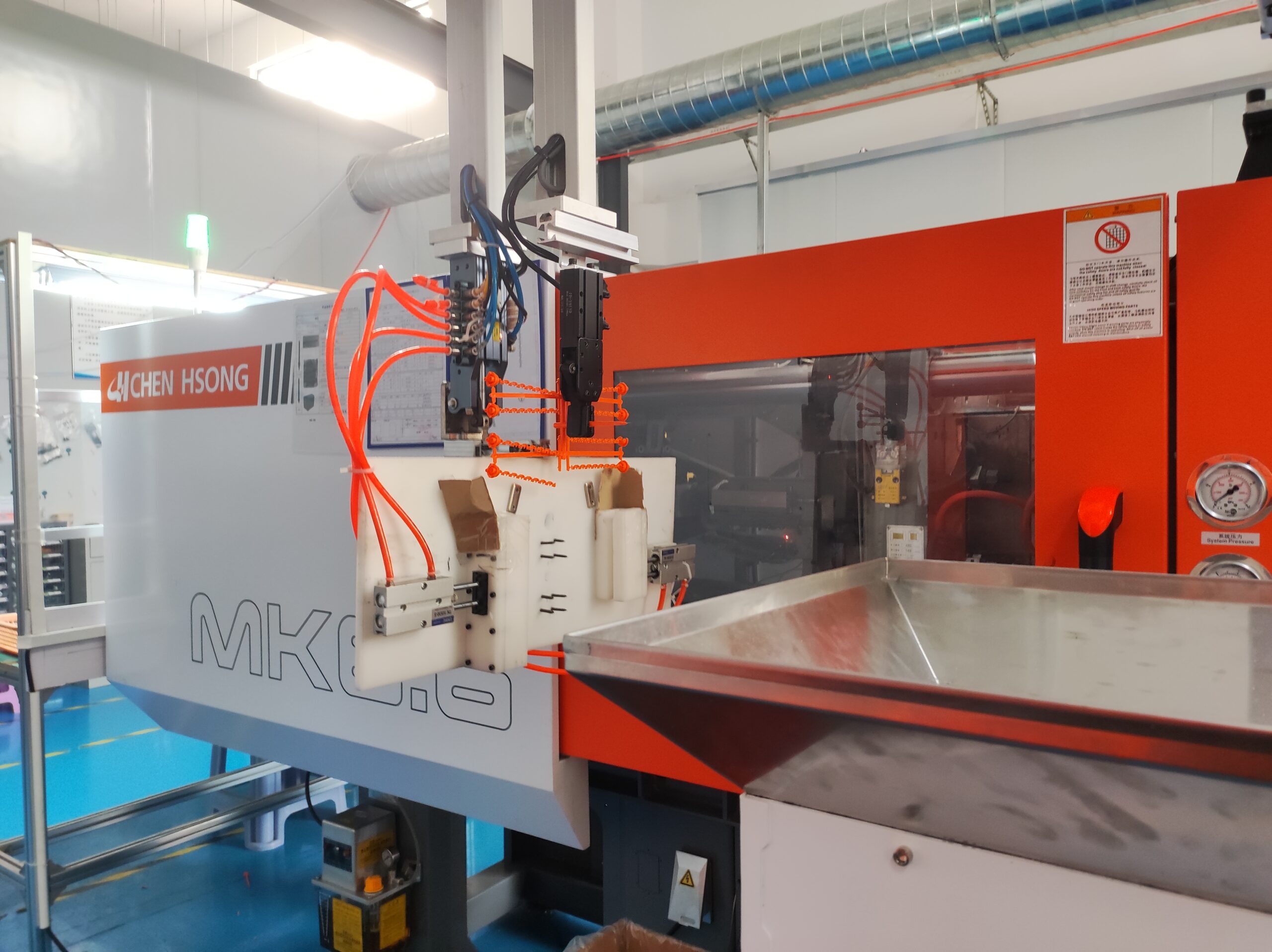
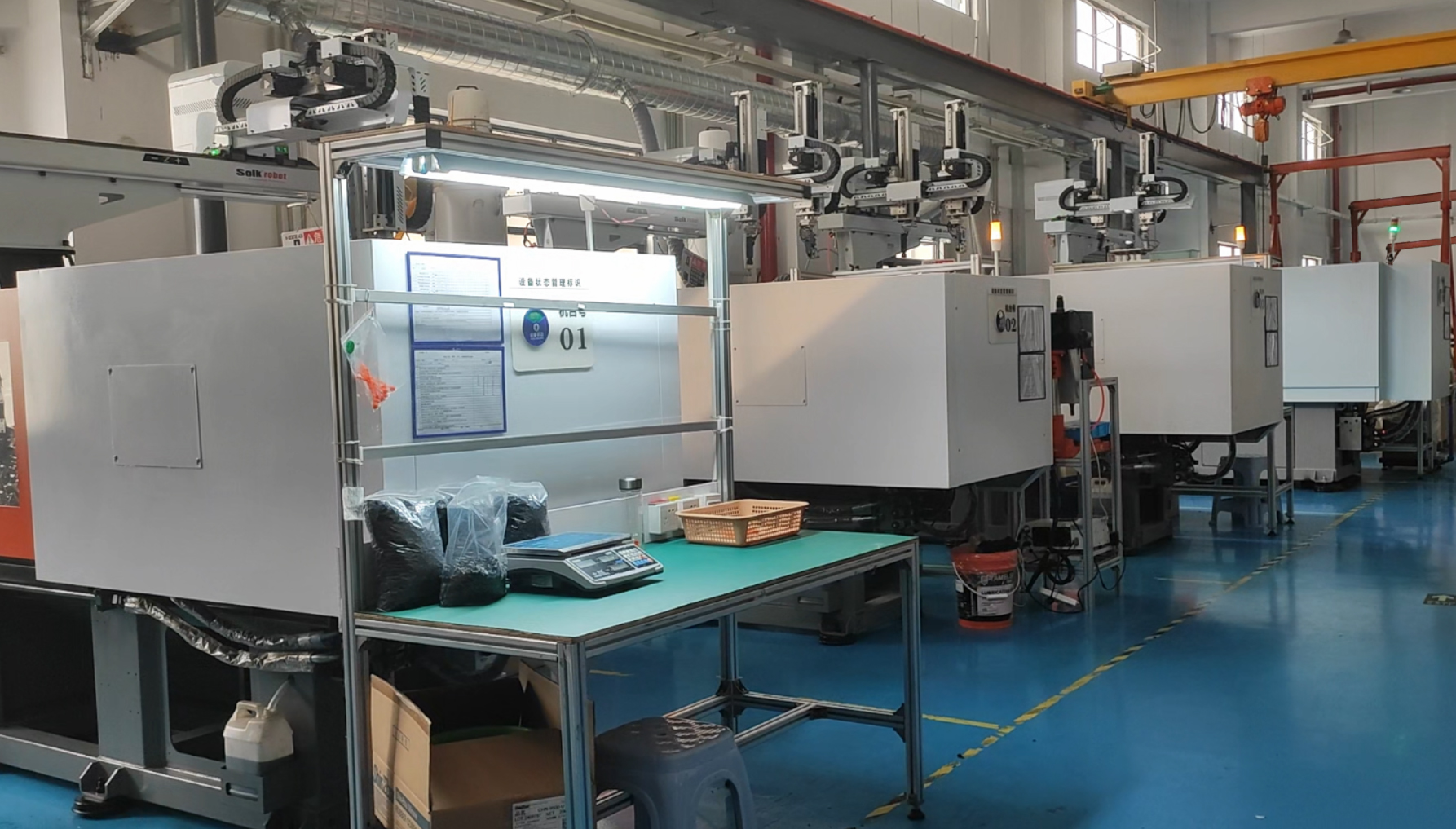
A new supplier with no track record raises one real fear: a cartridge that leaks in storage or fails on the gun, and a seal failure on even 2% of a batch is an expensive problem when it stops a filling line for hours. We answer that risk with documentation, not adjectives. Here's why that risk stays low: because Ebestron runs its own production line, every empty cartridge is checked at source for seal integrity, barrel-to-piston fit tolerance and volume accuracy, and each shipment carries the records to prove it. Industrial buyers in the EU and US who audit suppliers get the certificates with the lot, Ebestron certifies the batch rather than offering a verbal claim of quality, and that traceability is the differentiator a first-time order need.
Industry practice is to confirm ISO 9001 quality management and request the REACH and RoHS material documentation plus the Safety Data Sheet before you trust an empty-cartridge supplier. We supply those on request, alongside the dimensional and seal records for your lot. That simultaneous piston-seal mechanism protecting on-ratio dispensing is the same geometry described in USPTO patent US9409193B2.
ISO 9001
Quality management + traceability
REACH
EU chemical compliance
RoHS
Restricted substances
SDS
Material data on request


Procurement Manager (approval)
Bulk Pricing, MOQ & Lead Time, a Procurement Guide
Opaque pricing is its own problem: when a supplier hides what drives the number, a buyer cannot compare quotes and risks overpaying by a wide margin on a high-volume line. We quote against your application rather than publish a single price, because the per-unit cost of an empty cartridge genuinely moves with several factors, and the honest version is that no single sticker price fits every fill.
A factory can be transparent here for a structural reason: Ebestron controls the molding cost stack, so we show the framework that drives your number. Industrial buyers in the EU and US that lock these factors into the RFQ up front cut quote variance and shorten evaluation by days; a supplier under ISO 9001 can produce the cost-driver records on request. Below, Ebestron maps each cost driver so you see the trade-off before you ask, that visibility is the differentiator, and material upgrades like PBT can shift unit cost by 20–30% versus PP.
Lead time follows the same logic, stock footprints ship faster than custom-tooled private label, and we confirm a date at quotation rather than after the order.
Procurement teams that lock the documentation requirements into the RFQ up front get cleaner, more comparable quotes.
For exact figures on your spec, request a quotation with your volume, material and system, and we return a per-unit landed cost and a lead-time estimate.
Request a quotation →
Interactive Utilities
Engineering & Procurement Tools
FAQ, Empty Cartridge Sourcing
Which barrel material do I need for my adhesive?
Match material to chemistry: PP suits epoxy, polyurethane and silicone, while PA or PBT is required for methacrylate (MMA) and reactive acrylics. PP walls are permeable to volatile acrylic monomers, so an MMA adhesive stored in a polypropylene barrel loses usable shelf life as those monomers diffuse through the wall; PA and PBT are far denser and block that escape, which protects the cure. Send us your adhesive type and the volume you fill, and we confirm the right material and system.
Are your empty cartridges Mixpac and Nordson compatible?
Yes. Our barrels are built to the standard A, B, C, F and S system footprints, so they drop into Mixpac, Sulzer, Nordson and Semco-style guns and accept the matching static mixers. Send your part numbers for a cross-check.
What is the minimum order quantity?
Lower than a typical factory minimum. We ship mixed-size trial quantities.
Can you private-label the cartridges with our brand?
Yes — custom color, printed logo and branded cartons are part of our OEM program. Tooling is retained for repeat runs so your per-unit cost stays stable on reorder.
Do the cartridges include pistons, caps and mixers?
Standard supply includes sealing pistons, end caps and O-ring seals. Static mixers (10- to 24-element) and dynamic mixers are configured as a matched bundle or supplied separately.
What certifications can you provide?
ISO 9001 quality management, plus REACH and RoHS material documentation and the Safety Data Sheet on request, with dimensional and seal records for your lot.
How do factory-direct prices compare to buying brand-name empties?
Brand-name empties list around $2.63 per unit at distributors; factory-direct unit cost runs $0.10–$1.00 for the same footprint. That gap is brand and resale margin, which scales fast at line volume.