
Get in touch with Ebestron Company

2K Polyurethane Dynamic Mixing Nozzles & Applicators
On-ratio, homogeneous mix-on-demand dispensing for two-component polyurethane adhesives and sealants, built for the high-viscosity, ratio-sensitive bonds where static tips struggle. Engineered and OEM-supplied by Ebestron.
2K polyurethane dynamic mixing matters most at the moment a two component polyurethane adhesive leaves the cartridge: polyol and isocyanate have to meet at the right ratio and blend into one uniform polymer before the pot life run out. Ebestron supplies the dynamic mixing nozzles and the manual and pneumatic applicators that make that happen on the bench, the mix-on-demand layer of meter mix dispensing, not a metering machine and not the adhesive itself.
Request Bulk / OEM Pricing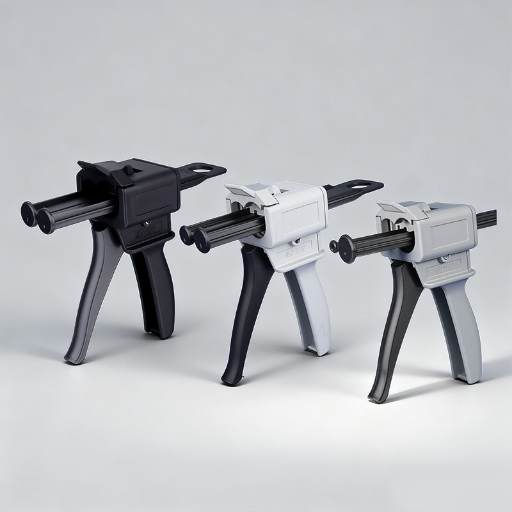
Solution Summary — Ebestron 2K PU Mixing System
Cartridge formats
50 mL to 1500 mL side-by-side (A/B-system bayonet)
Mix ratios supported
1:1, 2:1, 4:1, 10:1
Mixing types
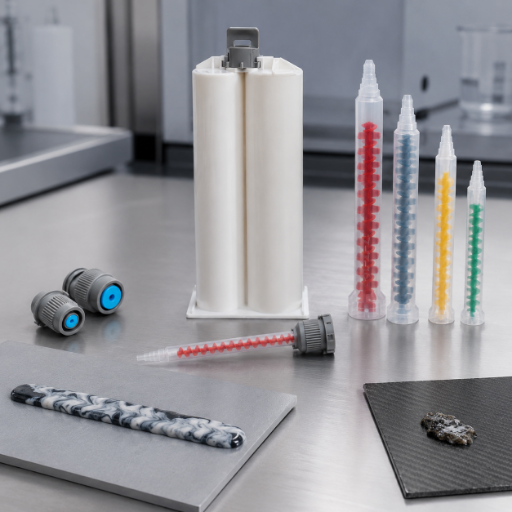
Disposable static mix nozzles + disposable dynamic mixing nozzles (motor-driven element)
Materials of construction
PP / PA / PBT housings; vented piston + O-ring
Compliance
ISO 9001 manufacturing, CE, RoHS
Key result
Homogeneous mix for high-viscosity / dissimilar-viscosity 2K PU where static elements fall short; lower retained-volume nozzle geometry
Why 2K Polyurethane Demands Disciplined Dynamic Mixing
Reactive System Risk
A two component polyurethane adhesive is a reactive system: one side carries the polyol, the other the isocyanate, and the bond only form once a chemical reaction cross-links them into the cured polymer. That’s also where it goes wrong.
Off-ratio 2K PU cures with swirls and streaks of unreacted material on the bond line, and in the worst cases it never develops adhesion to the substrate at all, polyurethane is more sensitive to off-ratio mixing than most other multi-part chemistries.
Failure Modes & Pot-Life
- First, components often have different viscosities; a quick pass through too few elements leaves the blend marbled.
- Second, pot life is short, commonly 1 to 15 minutes, no time to re-work.
Pot-Life Pressure Profile: as pot life shortens, viscosity climbs, demand rises sharply.
Active Dynamicfolds
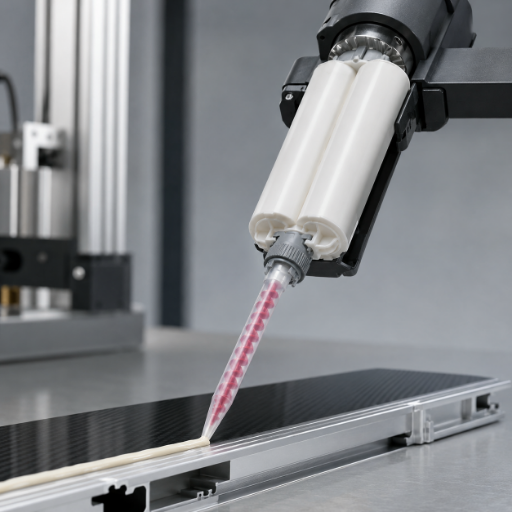
Dynamic mixing answers that pressure by spinning a motor-driven element, folding the two parts together. For high-viscosity structural bond on aluminium or composite, that active blend is passing part.
Delayed-cure 2K PU chemistry, such as US Patent 7834123.
Cost Concrete & ISO 9001
On a European or US line bonding marine deck, off-ratio bead can mean cutting out half-metre joint, plus scrapped adhesive.
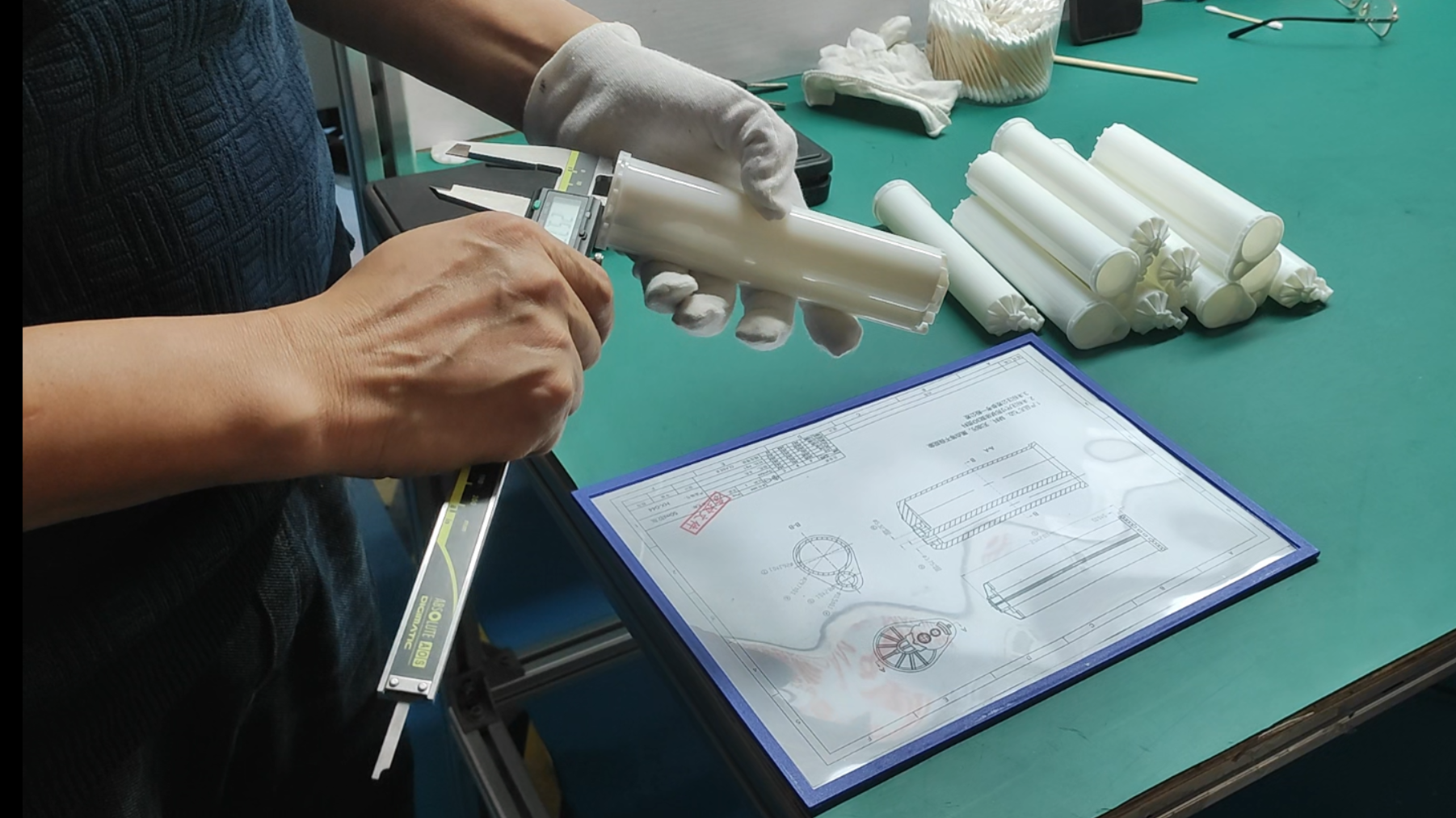
Ebestron pressure-tests each nozzle under an ISO 9001 system. Spinning element folds dissimilar-viscosity polyurethane no fixed helix can reach.
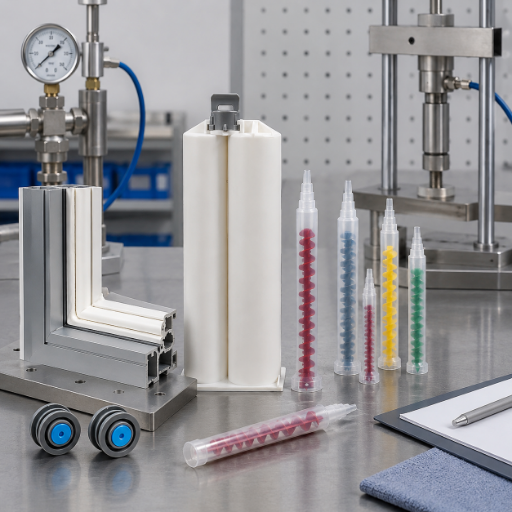
“Buyers searching for a two component polyurethane adhesive often arrive with a substrate problem, bonding GFRP, EPS foam core, painted steel, and discover the bottleneck is the tip on the end of the cartridge, not the glue.”
Match your adhesive to the right nozzle →Dynamic vs Static Mixing for Polyurethane: the 2K Polyurethane Nozzle Selection Chart EN + MGR
Here’s the honest answer most suppliers skip: a static mix nozzle is the right tool for a large share of two-part work, and we won’t claim dynamic mixing is universally better. Static tips are disposable, maintenance-free, and proven for low-to-medium viscosity adhesives at balanced ratios, a 12 to 24 element helical tip routinely produces over a million flow layers.
The trade-off appears at the edges of the envelope, and that’s exactly where 2K polyurethane lives. High-viscosity adhesive in a static mixer generate back pressure as flow is forced through the fixed elements, which shows up as very high pumping pressure or low output rate. When the A and B viscosities are far apart, or the ratio run toward 10:1 and beyond, the static element simply can’t fold them uniformly. Granted patent US10946354 documents the boundary precisely: wide mix ratios from 10:1 to 100:1, large A/B viscosity disparities, and poor miscibility “don’t mix thoroughly within disposable static mixers,” which is why a rotating impeller is used instead.
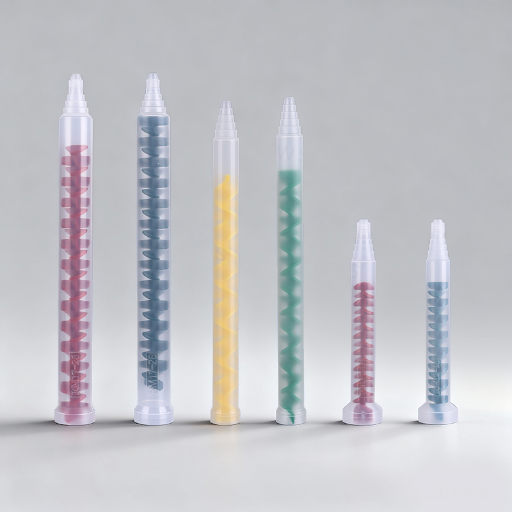
| 2K PU application | Typical viscosity | Mix ratio | Recommended mixing | Element count | Nozzle Ø | Cartridge |
|---|---|---|---|---|---|---|
| Thin laminating / flexible bond | Low | 1:1 | Static | 12–16 | 5.4 mm | 50–200 mL |
| General assembly bonding | Low–medium | 1:1 / 2:1 | Static | 16–24 | 6.3 mm | 200–400 mL |
| Sandwich panel bonding | Medium–high | 2:1 | Static (long) or Dynamic | 24+ | 6.3–8 mm | 400–600 mL |
| Marine deck-to-hull bonding | High, thixotropic | 2:1 / 4:1 | Dynamic | n/a (rotor) | 8 mm | 600–1500 mL |
| Aluminium window / door corner | High | 2:1 | Dynamic | n/a (rotor) | 6.3 mm | 200–400 mL |
| Structural metal / composite bond | High | 4:1 | Dynamic | n/a (rotor) | 8 mm | 400–600 mL |
| Dissimilar A/B viscosity | Mismatched | any | Dynamic | n/a (rotor) | 6.3–8 mm | 200–600 mL |
| Extreme ratio (10:1) | Medium–high | 10:1 | Dynamic | n/a (rotor) | 6.3 mm | 200–400 mL |
| PU grout / cavity sealing | High | 1:1 | Dynamic or long static | 24+ | 8 mm | 300–600 mL |
| Fast pot-life production line | Medium–high | 2:1 | Dynamic (low back-pressure) | n/a (rotor) | 6.3 mm | 400 mL |
| Parameter | Static mix nozzle | Dynamic mixing nozzle |
|---|---|---|
| Best-fit viscosity | Low to medium | Medium to very high |
| Dissimilar A/B viscosity | Marginal | Strong |
| Practical ratio range | 1:1 to ~4:1 | 1:1 to 10:1+ |
| Back pressure at high viscosity | High (slows output) | Low |
| Retained / purge waste | ~19.1 mL/nozzle conventional | Lower with optimized geometry (~5 mL class) |
| Cleaning | None (disposable) | Disposable rotor cartridge |
Ebestron 2K PU Dynamic Mixing Nozzles & Applicators, Models and Selection
Selecting the right tip is a viscosity, ratio, and cartridge decision, not a brand decision. Ebestron supplies both nozzle families and the applicators that drive them, so a single supplier covers the whole side-by-side cartridge envelope from a 50 mL repair kit to a 1500 mL production cartridge. These applicators also run adjacent two-part chemistries, epoxy, urethane, and acrylic, across plastic, metal, and composite substrates, so one tool set cover a mixed bench. The mixing chamber and nozzle-attachment principle behind two-component dispensing is covered in granted work such as USPTO patent US6375096, and adjustable pot-life chemistry in US11407893.
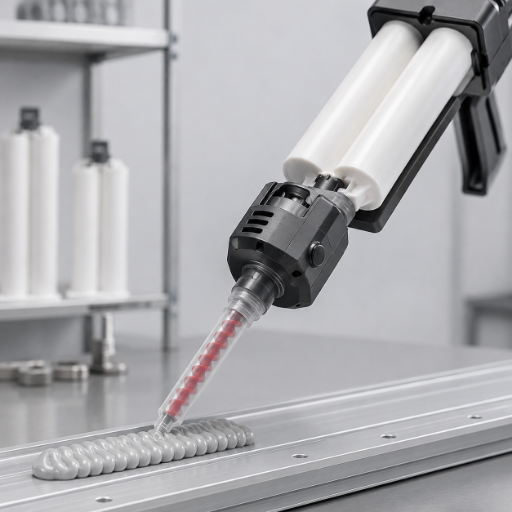
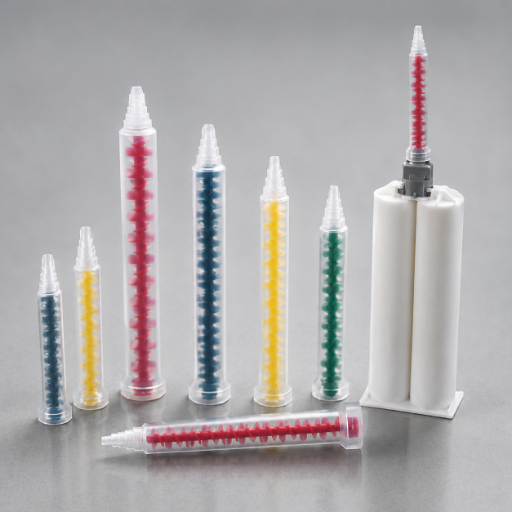
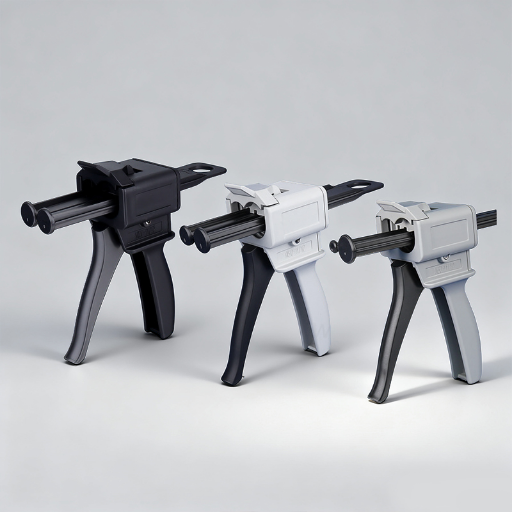
Decision matrix — configuration by job (specify ratio + cartridge at RFQ)
| If your job is… | Cartridge | Ratio | Nozzle | Applicator | MOQ tier |
|---|---|---|---|---|---|
| Bench repair / low volume | 50–200 mL | 1:1 / 2:1 | Static | Manual | Stock |
| Production assembly | 200–400 mL | 2:1 / 4:1 | Dynamic | Pneumatic | Carton |
| Large-format structural | 600–1500 mL | 2:1 / 4:1 | Dynamic | Pneumatic | OEM |
| Extreme-ratio sealant | 200–400 mL | 10:1 | Dynamic | Pneumatic | OEM |
Order the wrong element count for a high-viscosity 2:1 polyurethane and the first parts off the line carry streaks you can't see until the bond fail in service, an expensive way to learn the tip was undersized. Ebestron engineers match nozzle, ratio, and applicator as a set and confirm fit before the order ship, so the selection decision is made once, correctly.
Request a nozzle match for your adhesive →Trademark note: side-by-side cartridge geometry is described generically (A/B-system bayonet); Mixpac, Nordson, Sulzer and medmix are trademarks of their respective owners and are referenced nominatively only. Building an auto-body, 3M-compatible setup instead? See our companion page on 3M Dynamic Mixing System compatible nozzles and applicators.
Application Results: Where 2K PU Dynamic Mixing Earns Its Place
Payback shows up in two places: scrap avoided and material not wasted. The first bit coming out of any mix nozzle may not be fully blended, so every shot carries a purge cost, and across a plant that adds up. Conventional helical and square mixers waste as much as ~19.1 mL of adhesive per nozzle in purged and retained volume, while low-waste geometries cut that toward ~5 mL, roughly 75% less. At an industry scale of about a billion nozzles a year, that gap represents on the order of 12 million kilograms of adhesive.
ROI, Silver (TCO)
Two levers, both tied to mixing quality rather than glue price.
Scrap
Dynamic mixing keeps high-viscosity 2K PU on-ratio, so structural bonds avoid the swirl-and-streak rejects that off-ratio mixing produce.
Material
Low-retained-volume nozzle geometry trims purge waste from the ~19.1 mL toward the ~5 mL class per nozzle. Exact savings vary by cartridge size, shot count, and adhesive cost, typically meaningful on high-throughput or high-value bonds.
(Industry figures: Adhesives & Sealants Industry; not Ebestron first-party data.)
"We see the same pattern on every audit: the adhesive is in spec, the cartridge is in spec, and the reject is a mixing problem. On high-viscosity 2K PU at a 2:1 or wider ratio, a dynamic nozzle is not a luxury, it is the cheapest way to keep the bond line uniform."
Compatibility & Standards: Cartridge Systems, Materials, Certifications
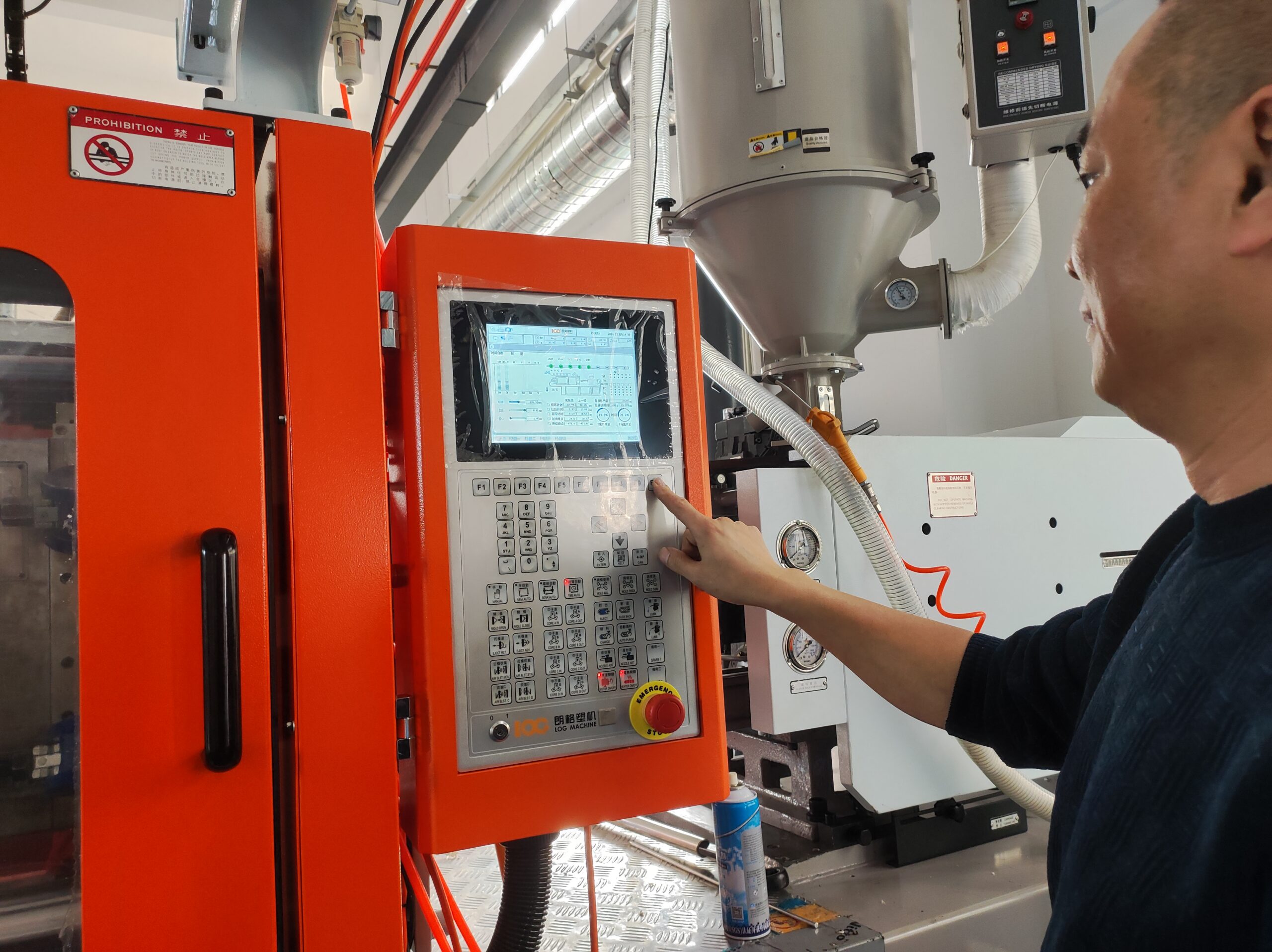
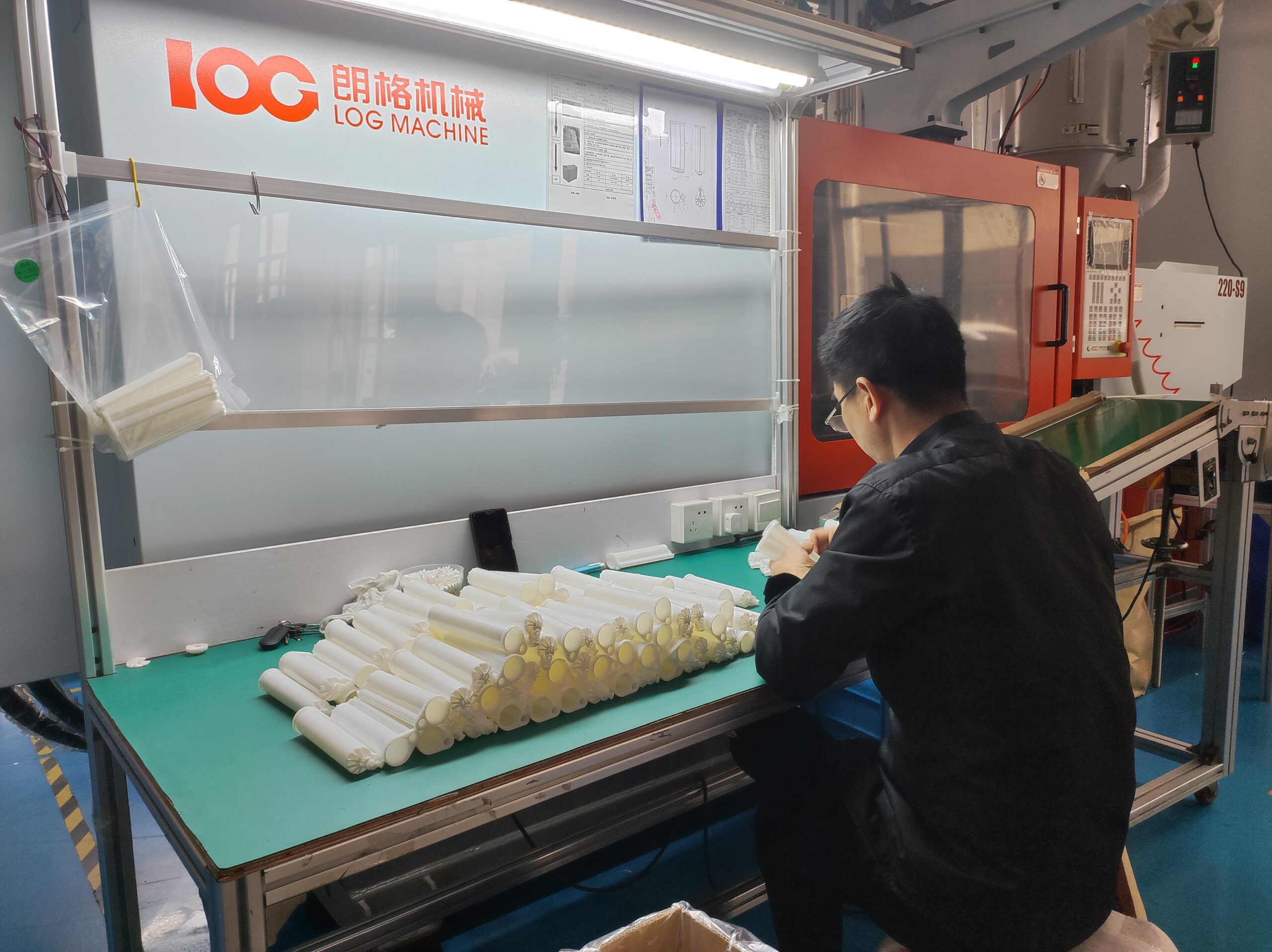
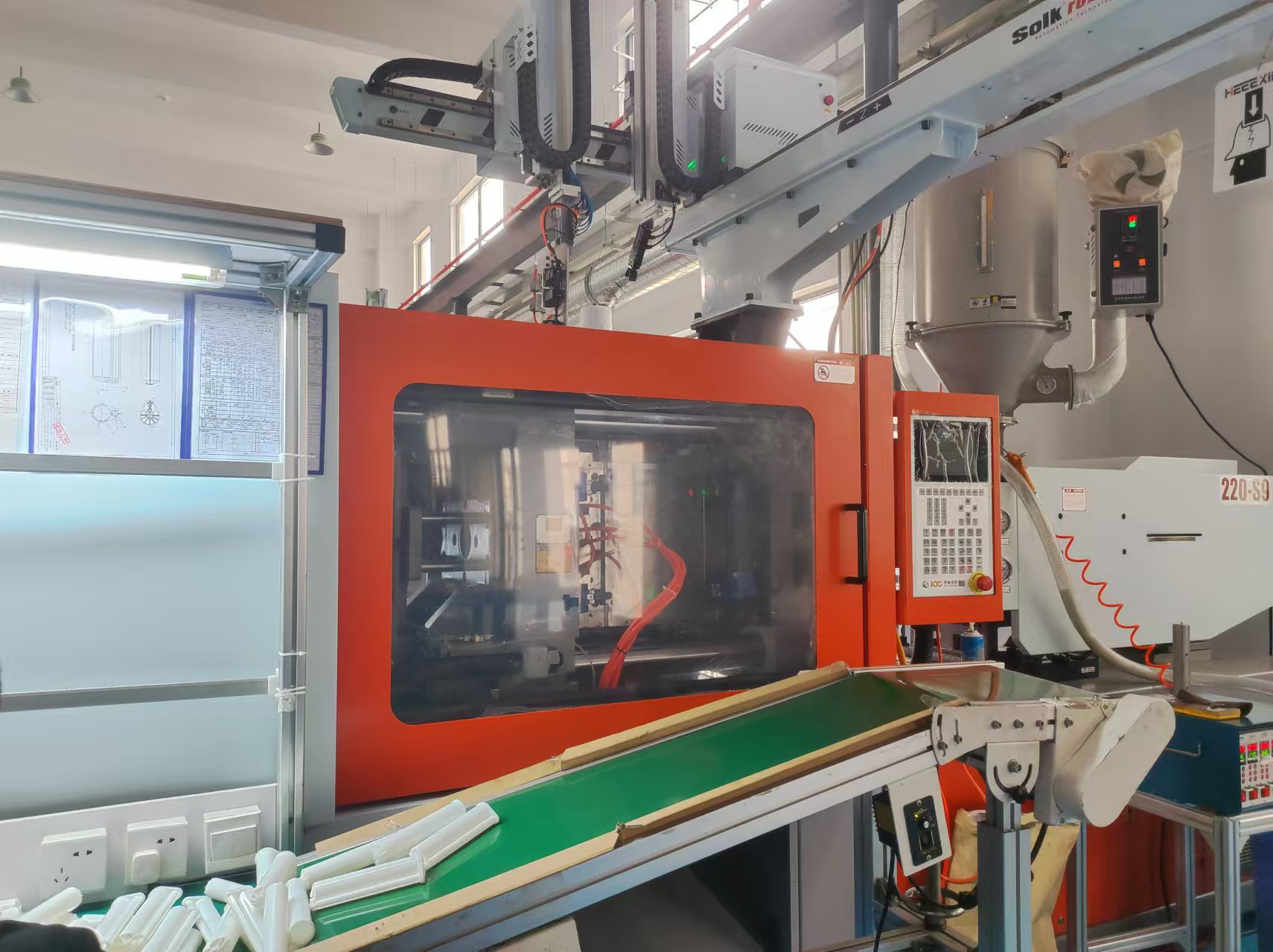
Compatibility is the first question procurement asks, and it has a concrete answer. Ebestron nozzles and applicators are built to the generic side-by-side A/B-system bayonet interface, in cartridge sizes from 50 mL to 1500 mL across 1:1, 2:1, 4:1 and 10:1 ratios, the standard geometries used across the two-component adhesive market. Housings use PP, PA, or PBT selected for the chemistry family, with a vented piston and O-ring to keep the A and B columns balanced from the first stroke.
On the trust side, manufacturing runs under an ISO 9001 quality system, with CE and RoHS compliance on the hardware. The reaction chemistry that makes a delayed, controllable cure possible, the reason a 2K polyurethane adhesive can be mixed and then placed before it sets, is documented in granted work such as USPTO patent US9567499 (delayed crosslinking), and quality-management requirements are defined by ISO 9001:2015.


Engineering Utilities
Dynamic Mixing Control & Estimation Tools
2K Polyurethane Mixing & Dispensing
What is 2K polyurethane, and why does it need mixing right before use?
A 2K (two-component) polyurethane adhesive keeps the polyol and the isocyanate apart until application. They're combined just before dispensing so the chemical reaction, and the pot life clock, starts only when you place the bond. That's why the mixing nozzle does the critical work.
Is a dynamic mixing nozzle always better than a static one?
No, and the honest trade-off is worth stating plainly. Static tips are cheaper, disposable, and fully adequate for low-to-medium viscosity polyurethane at balanced ratios. Dynamic mixing earns its place when viscosity is high, the two components differ a lot in viscosity, or the ratio run to 10:1 and beyond, the conditions where static elements leave streaks.
How do I know if my static mixer is failing on a high-viscosity 2K PU?
Two signs: the cured bond shows swirls or streaks of unreacted material, and the dispense feel stiff, high back pressure, slow output. Both point to the static element not folding a thick or off-ratio blend fully. That's the switch point to dynamic.
What mix ratios and cartridge sizes do you support?
1:1, 2:1, 4:1, and 10:1 across 50 mL to 1500 mL side-by-side cartridges, on the generic A/B-system bayonet interface. Specify ratio and size at RFQ and we match the nozzle and applicator.
Are your nozzles compatible with my existing cartridges and guns?
They're built to the standard side-by-side geometry used across the market, so most existing 2K PU cartridge and applicator setups are covered. Send your current cartridge format and we confirm fit before you order, a quick compatibility check avoids a wrong-tip order.
Can two-component polyurethane dispensing be automated?
Yes, our nozzles and applicators are the manual and pneumatic, mix-on-demand layer, and they also feed into automated meter mix dispense systems. We supply the consumable and hand-tool end; pair them with a metering machine for fully automated lines.
Do you offer OEM or private-label nozzles and guns?
Yes. Factory-direct OEM and private-label programs cover matched dynamic mixing nozzles, static tips, and applicators under one ISO 9001 system, with MOQ and lead time confirmed at quotation.
Our Engineering Perspective on 2K PU Mixing
This page reflects how our dispensing-hardware engineers actually scope a 2K polyurethane job, viscosity first, ratio second, pot life third, then the nozzle. The dynamic-versus-static guidance here deliberately tells buyers when not to pay for dynamic, because a wrong-tip order help no one. Where we cite waste and viscosity figures, they come from published industry sources rather than internal claims, and they're labelled as such.
Related Ebestron Dispensing Hardware
Pair these 2K PU dynamic mixing nozzles with the rest of the Ebestron cartridge and dispensing range:
- 50 mL two-component cartridges for bench and low-volume 2K PU work
- Large-format 400–600 mL dual cartridges for high-throughput structural bonding
- Disposable static mixing nozzles for balanced-ratio, low-to-medium viscosity jobs
- For auto-body repair, see the 3M Dynamic Mixing System compatible range
References & Data Sources
- USPTO US10946354B2 Dynamic mixer dispense valve for two-component high-viscosity high-ratio compounds (2021).
- USPTO US7834123 Two component polyurethane adhesive composition.
- USPTO US11407893 Two-component polyurethane composition with adjustable pot life.
- USPTO US9567499 Two-component polyurethane composition with delayed crosslinking.
- USPTO US6375096 Two component spray gun and nozzle attachment.
- USPTO US11214035 Marine decking with sandwich-type construction.
- ISO 9001:2015 Quality management systems.
- Adhesives & Sealants Industry — "The Next Generation of Static Mixing Nozzles" (mixing-nozzle waste figures, ~19.1 mL vs ~5.0 mL).
- AZoM — "Static Mixers vs. Dynamic Mixers for Two-Component Reactive Adhesives" (high-viscosity back-pressure limitations).
- Trademarks (Mixpac, Nordson, Sulzer, medmix, 3M) are the property of their respective owners and are used nominatively for compatibility reference only. Ebestron supplies independent dispensing hardware and consumables.
Trending now