Get in touch with Ebestron Company
Two-Component Adhesive Dispensing Guns
Adhesive Dispensing Guns, Two-Component Cartridge Gun Systems
Factory-direct manual, pneumatic, and battery cartridge guns engineered to dispense two-part epoxy, polyurethane, acrylic, and silicone adhesives on-ratio, with full Sulzer Mixpac, Cox, 3M, and Nordson cartridge compatibility.
An adhesive dispensing gun is the tool that decides whether your two-component bond cures at full strength or fails in the field. Choose the wrong thrust ratio and a thick epoxy jam the gun; choose the wrong cartridge fit and the dual cartridge won’t seat at all. Ebestron builds the complete dispensing stack, guns, dual cartridges, and static mixing nozzles, so every part is matched from the trigger to the bead.
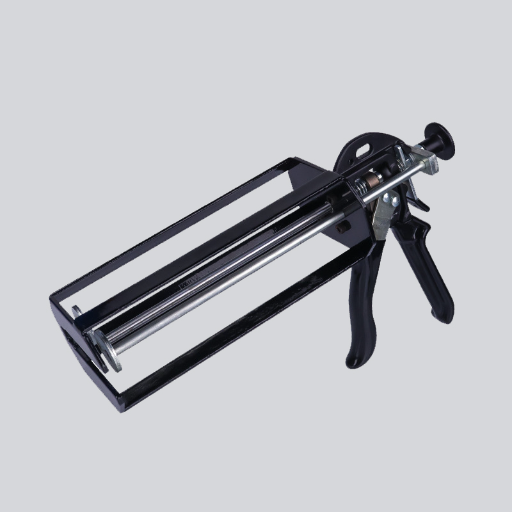
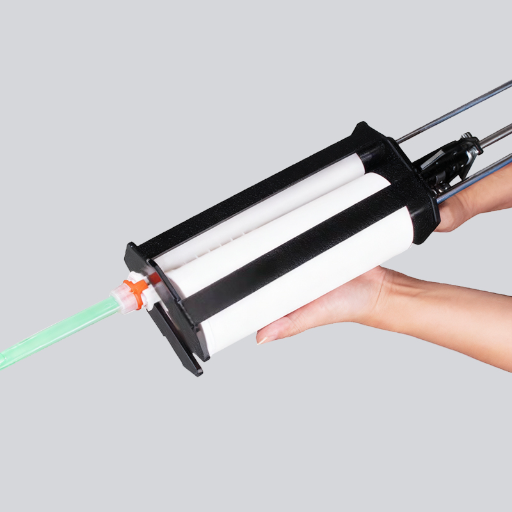
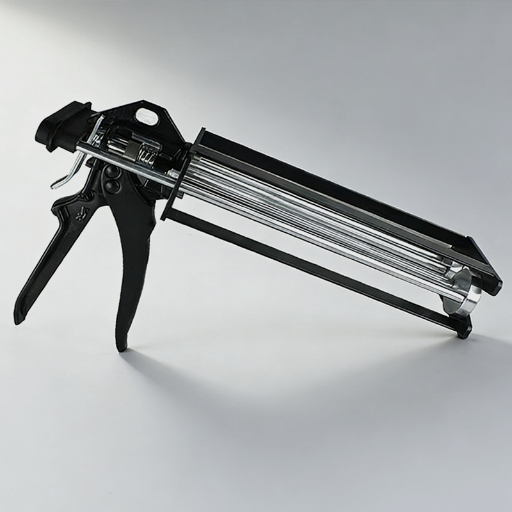
When Two-Component Dispensing Goes Wrong, and What the Right Gun Fixes
get a matched gun shortlist →
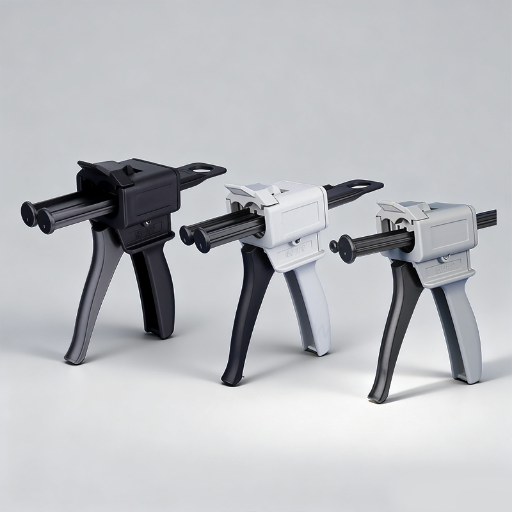
An adhesive dispensing gun is a handheld tool that drives a two-component cartridge, resin in one barrel, hardener in the other, through a static mixing nozzle, so the two parts leave the tip already blended at a fixed ratio. Squeeze the trigger, twin plungers advance down the dispensing rod, and the components meet in the mixer just before they reach your joint. That’s the whole job: meter two parts on-ratio, mix them completely, and lay a clean bead.
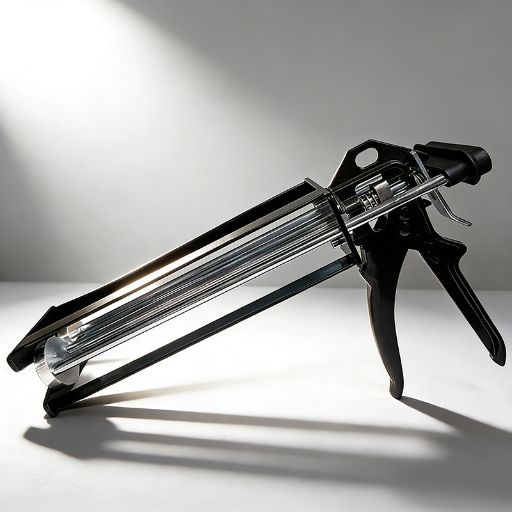
It sounds simple, which is exactly why it gets specified badly. The three failures we see most often on the production floor are all avoidable. A gun jams or hand-fatigues the operator because the thrust ratio is too low for a high-viscosity epoxy, the mechanical advantage was never matched to the material. The cartridge won’t seat because the gun was bought for a 200ml cartridge and the job uses 400ml, or because the brand cartridge system (Sulzer Mixpac vs Cox vs 3M) doesn’t match the gun’s carriage. And the cured bond is weak because the static mixing nozzle had too few elements, or a manual gun’s pulsing trigger force delivered inconsistent flow that left the mix off-ratio at the start of the bead.
Each of those is a selection problem, not a brand problem, and each is solved before you buy. The rest of this page is the decision layer the catalogs skip: how to read thrust ratio against your adhesive, how to match a gun to your cartridge and mixer, and where manual, pneumatic, and battery guns each earn their place. Quality dispensing is the foundation of a reliable structural bond, which is why on-ratio metering is treated as a quality-control criterion under standards such as ISO 9001 quality management.
Picture the same gun family across three real jobs: in automotive panel bonding, a 400ml 2:1 structural epoxy laid on-ratio along a door skin; in electronics potting, a 50ml 1:1 shot dosed into a connector housing; in construction anchoring, a 600ml resin driven into masonry. Together, a 2 part epoxy gun and a set of manual two-part applicators can cover all three, but only if each is matched to its cartridge and viscosity. We’ll be honest about the trade-off most catalogs hide: no single gun is ideal for every one of those jobs, and pretending otherwise is how buyers end up with a drawer of mismatched tools and stalled lines. Unlike the thin SKU grids on reseller sites, the rest of this page gives you that matching logic outright.
Ebestron Adhesive Dispensing Guns,
the 5-Drive Lineup
Every adhesive dispensing gun in our range is built around the same dual-cartridge core and differs only in how the plungers are driven. Matching the drive to your throughput, your operators, and your adhesive viscosity is the first selection decision, before thrust ratio, before cartridge size. Five product lines below cover the full spectrum from a 50ml bench task to a 600ml production line.
The pain start at that very first choice: buyers often default to whatever gun a distributor happens to stock, then discover it won’t take the cartridge they already buy, a pneumatic epoxy gun sized for the wrong carriage, or a manual unit that fatigues the crew by mid-shift and slows a line that was quoted on full throughput.
Because Ebestron manufactures all five drives plus the dual cartridges and static mixers they run on, you aren’t boxed into one reseller’s narrow shelf; the honest advantage of buying from the factory is range and a matched system, not a single hero SKU.
01
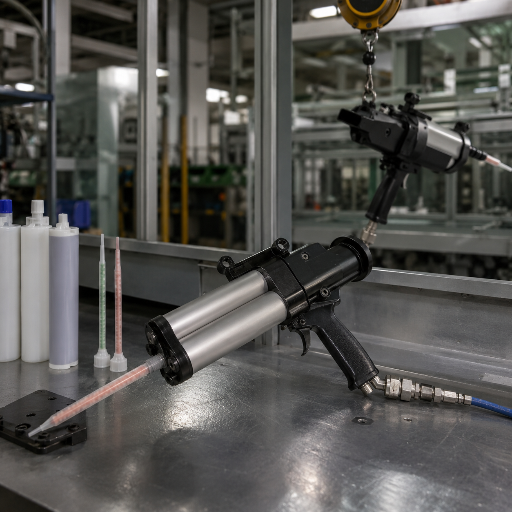
Pneumatic Cartridge Dispensing Guns
Air-driven, steady flow for medium-to-high volume. Consistent bead pressure removes the trigger pulsing that hurts 2K bond quality.
View pneumatic guns →
02
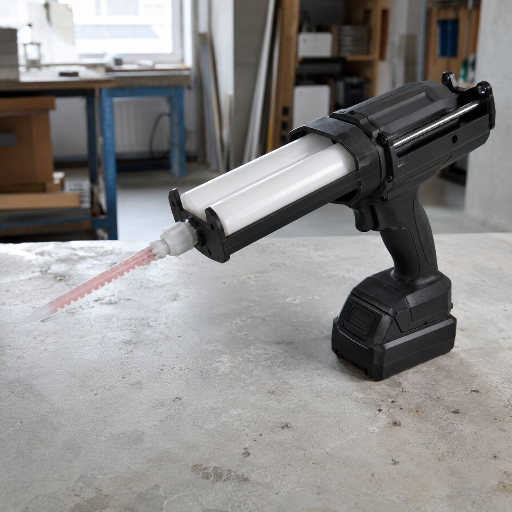
Battery & Electric Cartridge Dispensing Guns
Cordless lithium-ion drive, go-anywhere dispensing with no air hose, settable dosing, and the lowest operator fatigue for repetitive work.
View battery & electric guns →
03
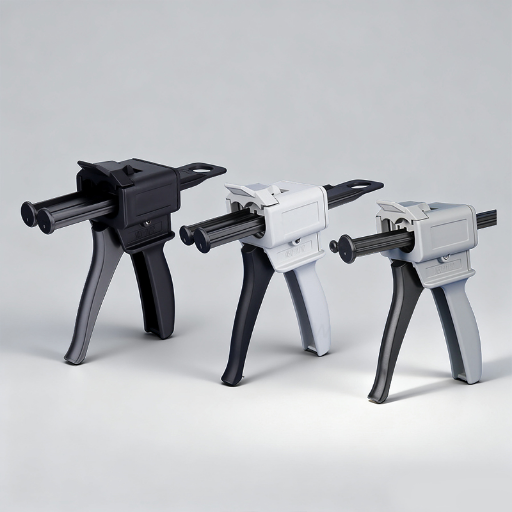
Manual Cartridge Dispensing Guns
Mechanical thrust ratios from 10:1 to 26:1 for low-force bench work and field jobs where small material amounts and portability matter most.
View manual guns →
04
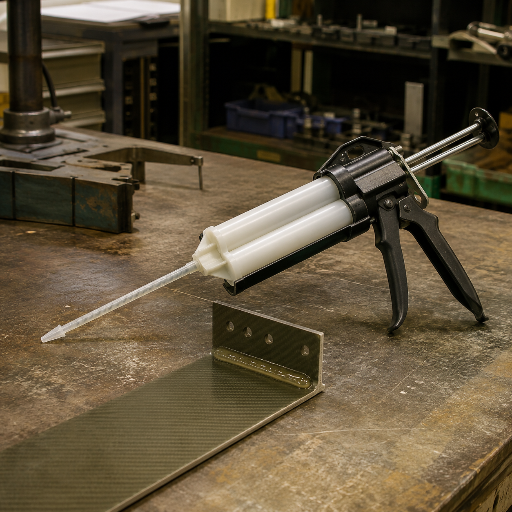
Epoxy Applicator Guns
Purpose-built for two-part structural epoxy, high thrust for viscous resins, matched to 1:1, 2:1, 4:1, and 10:1 cartridges.
View epoxy applicator guns →
05
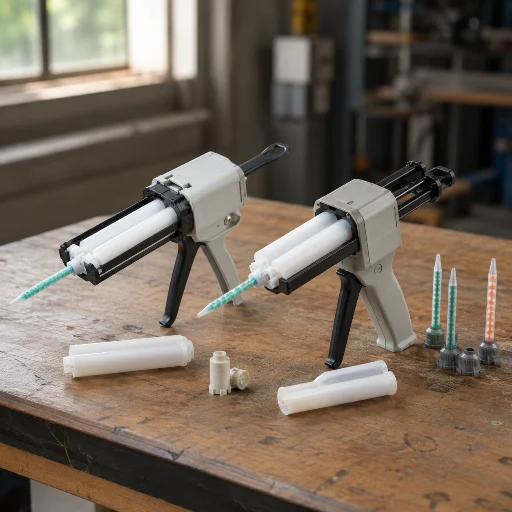
Mixpac & Cox Compatible Dispensing Guns
Drop-in replacements for Sulzer Mixpac and Cox carriages, the OEM-replacement route to keep your existing cartridge stock running.
View brand-compatible guns →The 4-Drive Throughput Test
Use this decision frame to route a job to the right drive before you look at any single model. Remember the rule catalogs never print: power isn’t about prestige, it’s about force, volume, and flow consistency, and a manufacturer-grade trade source confirms that “for applications involving low force, small material amounts, and low flow consistency, manual dispense guns are typically the best choice,” while 2K materials of any viscosity often push the choice to a powered tool.
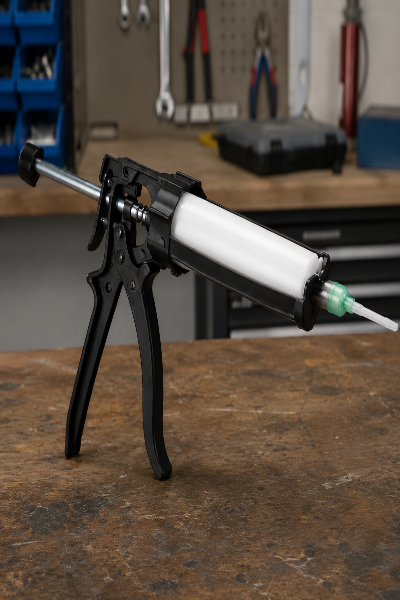
Manual
Best When
Low volume, small shots, field/bench, no air supply
Throughput
Low
Operator Fatigue
High on repetitive work
Flow Consistency (2K)
Pulsing — can vary at bead start
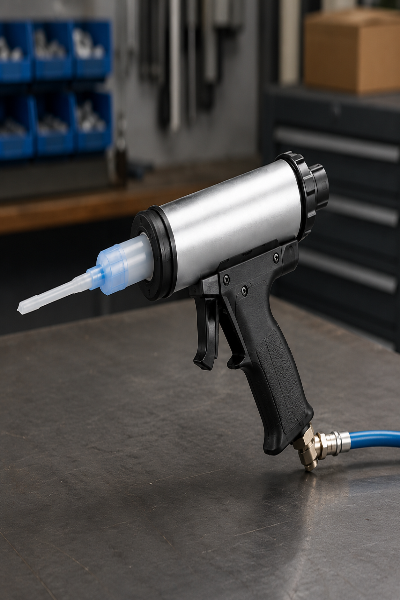
Pneumatic
Best When
Medium-high volume, shop air available, lower tool cost
Throughput
High
Operator Fatigue
Low
Flow Consistency (2K)
Steady, even bead
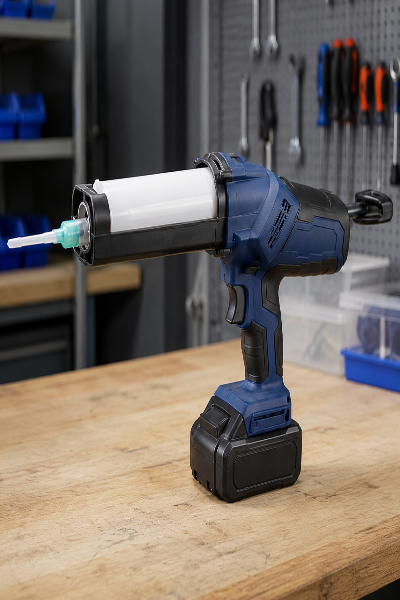
Battery / Electric
Best When
Repetitive high volume, mobile work, dosing repeatability
Throughput
High
Operator Fatigue
Lowest
Flow Consistency (2K)
Steady + settable dosing
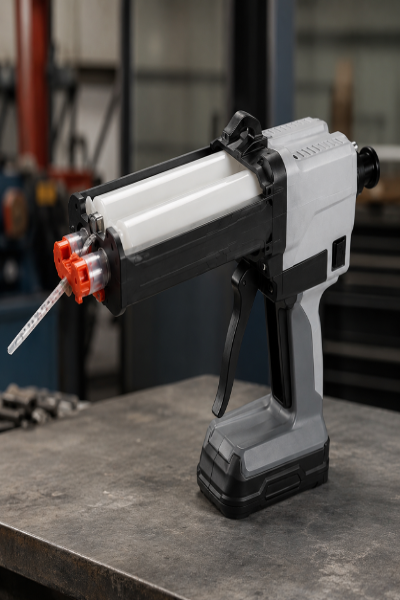
Epoxy applicator
(manual or powered)
Best When
Viscous structural epoxy, high thrust needed
Throughput
Varies
Operator Fatigue
Depends on drive
Flow Consistency (2K)
Good with correct thrust + mixer
How to Choose the Right Thrust Ratio (12:1 vs 18:1 vs 26:1)
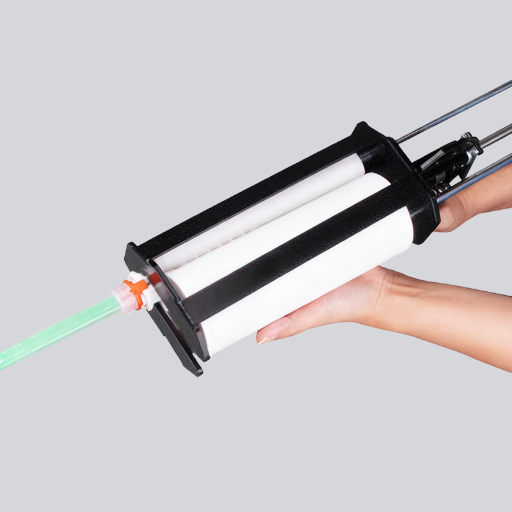
Thrust ratio is the single most misread spec on a dispensing gun, and getting it wrong is why guns jam on epoxy. Here’s the contrarian truth: a higher thrust ratio isn’t automatically “better.” It’s a mechanical-advantage figure, a 26:1 gun multiplies your trigger force 26 times at the plunger, which is what you need to push a thick, cold, high-viscosity adhesive. But put that same gun on a thin 1:1 resin and it over-pushes, costing you bead control and wasting expensive material. Your aim is to match thrust to viscosity, not to maximize it.
This failure-and-fix run in a predictable chain. Start with the pain: a structural epoxy stalls a 10:1 manual gun and the operator’s hand gives out before the cartridge empties. Underneath it sits a root cause, the gun’s mechanical advantage can’t overcome the resin’s viscosity, and a static mixer adds back-pressure on top. Your fix is to step the thrust ratio up to 18:1 or 26:1, or move to a pneumatic/battery drive, so the plunger force exceeds the dispensing resistance. Proof comes straight from the market: dedicated high-thrust guns at 26:1 and above are sold specifically “for heavy-duty projects: epoxies, firestop, highly viscous adhesives,” and purpose-built 2K dispensing guns reach up to 7kN of dispensing force.
The Thrust-Ratio Selection Gate
Low / Thin 1:1
10:1 – 12:1
DRIVE: Manual
Low force needed; higher ratio over-pushes. Ideal for some acrylics and light sealants.
Medium Viscosity
18:1
DRIVE: Manual / Pneumatic
Noticeably less effort above 12:1. Suited for general 2K epoxy and polyurethane.
High / Cold
26:1
DRIVE: Pneumatic / Battery / Heavy Manual
Overcomes viscosity + mixer back-pressure. Used for structural epoxy, firestop, panel bonding.
Extreme Pastes
34:1+
DRIVE: Pneumatic / Battery
Manual force impractical; consider dynamic mixing for very thick, thixotropic pastes.
Cartridge Size, Mix Ratio & OEM System Compatibility
For engineers & procurement
By far the most common procurement mistake with a dispensing gun is buying one that physically won’t fit the cartridge you already stock. Cartridge guns are size- and system-specific: a gun built for a 600ml cartridge won’t accept a 200ml, and a Sulzer Mixpac carriage isn’t a Cox carriage. Worse, compatibility is a triple match that buyers routinely underestimate, the gun, the dual cartridge, and the static mixing nozzle outlet all have to belong to the same system. Real-world dispensing tutorials openly flag “issues with dispenser-cartridge-mixer compatibility,” and marketplace listings warn that a given gun is “for 600–650ml only, not suitable for 200ml.”
Mix ratio rides along with size. Hand-held two-component cartridges are manufactured in a limited set of volumetric ratios, 1:1, 3:2, 2:1, 4:1, and 10:1, and the gun’s plunger pair must match that ratio so both parts advance correctly. Side-by-side cartridges are designed to resist bulging precisely so they stay on-ratio under load.
The OEM Cartridge-System Fitment Map
Because Ebestron manufactures guns, cartridges, and mixers, we can publish the cross-system fitment that resellers can’t. This is the OEM-replacement reference: which Ebestron gun family drops in for which brand system.
Sulzer Mixpac
A-System
Size: 50ml
Ratio: 1:1, 2:1
Manual / Mixpac-compatible
Sulzer Mixpac
B/C-System
Size: 200ml, 400ml
Ratio: 1:1, 2:1, 4:1, 10:1
Manual / pneumatic / battery
Sulzer Mixpac
F-System
Size: 200ml
Ratio: 1:1, 2:1
Manual / Mixpac-compatible
Cox / MK
Universal
Size: 50–600ml
Ratio: 1:1, 2:1, 4:1, 10:1
Cox-compatible / pneumatic
3M
DMS / panel bond
Size:200–490ml
Ratio:1:1, 2:1, 10:1
Epoxy applicator / pneumatic
Nordson EFD
Infinity Bond
Size:50–400ml
Ratio:1:1, 2:1, 10:1
Manual / brand-compatible
Core Fitment & Sizing Principle
Whether your team calls it a dual cartridge caulk gun, a cox cartridge gun, or simply a 2K applicator, the fitment rule never changes: gun, cartridge, and mixer must share a system. And the contrarian sizing note that saves money: a bigger cartridge isn’t automatically cheaper. Run a 600ml gun on a small repair and you waste the cured remainder and burn pot-life you paid for. Match cartridge volume to the job and the working window, not to the largest format on the shelf. That dual-cartridge architecture itself is the subject of dispensing patents such as US20100042044A1 for multi-part fluid mixing. For the cartridges and mixers that pair with these guns, see our two-component dual cartridges and static mixing nozzles.
Procurement check before you order
Send us your specs and we’ll confirm the exact gun, and whether your existing static mixers fit it, before anything ships. Simply confirm three things in one line:
Manual vs Pneumatic vs Battery
Performance & Cost Comparison
Once thrust ratio and cartridge fit are settled, the drive choice is a total-cost-of-ownership decision, not just a sticker-price one. Manual guns win on acquisition cost and simplicity. Powered guns win on throughput, bond consistency, and operator health, and the operating-cost gap run in directions buyers rarely model.
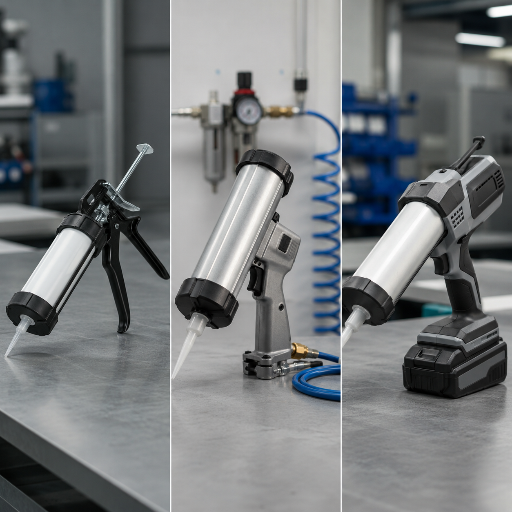
| Factor | Manual | Pneumatic | Battery / Electric |
|---|---|---|---|
| Up-front tool cost | Lowest | Low-mid | Highest |
| Needs shop air? | No | Yes (compressor) | No (Li-ion) |
| Throughput | Low | High | High |
| Operator fatigue | High | Low | Lowest |
| Bead consistency | Variable | Steady | Steady + dosing |
| Mobility | High | Tethered | High (go-anywhere) |
Quality Control, Material & Compatibility Assurance
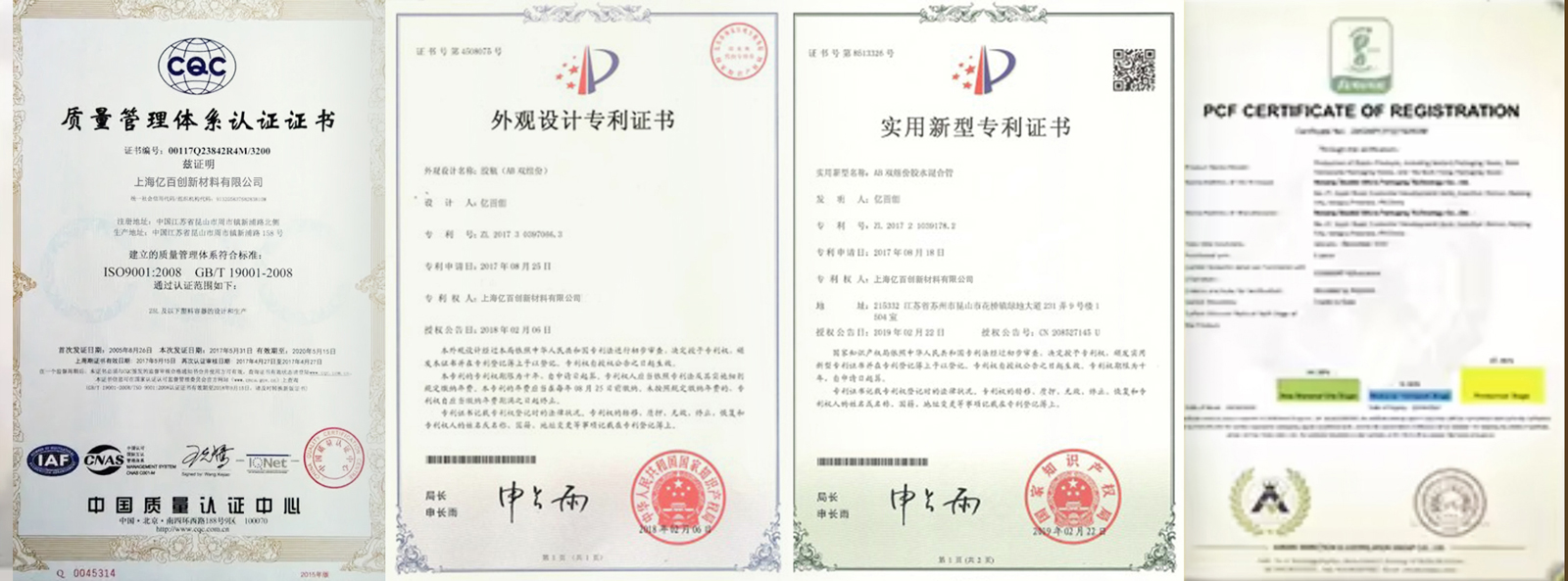
Real trust in a dispensing gun is earned only when it dispenses on-ratio, cartridge after cartridge. Ebestron’s assurance rests on three concrete checks rather than slogans: a documented quality-control process around plunger travel and on-ratio metering, full material and dimensional matching to the OEM cartridge systems listed above, and matched static mixers validated for element count so the mix leave the nozzle homogeneous. Where a buyer need formal documentation, we supply it on request rather than asserting badges on a web page.
This pain is concrete and expensive: a supplier claims a quality standard, then can’t produce the certificate when a buyer audits, and a whole shipment, a double caulk gun order, or a mixpac gun batch headed for a production cell, is held at incoming inspection while the line waits. Our honest position is the opposite of glossy. We won’t claim a certification we can’t document, and we would rather send the cross-reference and the QC record up front than make a marketing claim that fails an audit. That’s the deliberate trade-off behind this section: less gloss, more paperwork that survives scrutiny.
ON-RATIO QC
Plunger-pair travel checked to cartridge ratio
SYSTEM-MATCHED
Gun + cartridge + mixer verified as a set
ISO 9001-ALIGNED
Quality management process — docs on request
OEM CROSS-REF
Mixpac / Cox / 3M / Nordson fitment confirmed
×
Procurement Guide: Factory-Direct Pricing, MOQ & OEM/Private-Label
Buying direct from the manufacturer change the math. On the open market, cartridge dispensing guns span roughly US$26 for a basic 50ml manual unit to over US$2,000 for a pneumatic 2K applicator, a spread driven as much by distribution layers as by the tool itself. As the factory, Ebestron prices against the tool, not the supply chain, and can structure orders the way industrial buyers actually purchase.
What drives your quote (the pricing factors that matter)
Rather than a single list price, your cost is set by a handful of levers: drive type (manual vs pneumatic vs battery), cartridge size and ratio coverage, order volume (single units vs fleet/kit bundles vs container quantities), and OEM or private-label requirements (your branding, your packaging, your carriage spec). Tell us the mix and we return a tiered quotation, not a placeholder.
We support OEM and private-label programs end to end under an ISO 9001 quality program, and because the guns ship from the same factory as the dual cartridges and mixing nozzles they pair with, a single purchase order can cover the whole dispensing stack with one lead time. Volume tiers, kit bundles, sample units, and lead-time commitments are confirmed per order, contact us for a detailed quotation based on your application parameters.
Adhesive Dispensing Optimization Tools
Thrust-Ratio & Drive Selector
Match an adhesive dispensing gun to your material, volume, and shop — before you buy. Thrust ratio is mechanical advantage, not bigger-is-better.
Open ToolOEM Cartridge-System Fitment Finder
Compatibility is a three-way match — gun, dual cartridge, and static mixer must share one system. Find the Ebestron gun line that drops in for your brand.
Open ToolCartridge-Size & Cost-Per-Shot Estimator
A bigger cartridge is not always cheaper. Estimate waste from the cured remainder + mixer dead-volume, and find the size that fits your job.
Open ToolFrequently Asked Questions
Find answers to common questions about Two-Component Adhesive Dispensing Guns. Ensure maximum performance, correct ratios, and precise application for your structural bonding needs.
An adhesive dispensing gun is a handheld tool that pushes a two-component cartridge, resin and hardener, through a static mixing nozzle so the parts exit pre-mixed at a fixed ratio. Squeezing the trigger advances twin plungers down the dispensing rod, the components blend in the mixer, and a ready-to-use bead leave the tip. It’s the standard way to apply two-part epoxy, polyurethane, acrylic, and silicone adhesives.
For high-viscosity structural epoxies, choose a 26:1 thrust ratio (or a powered gun); 18:1 suits general 2K epoxy and polyurethane, while 10:1 to 12:1 is enough for thin 1:1 materials. Thrust ratio is mechanical advantage, a 26:1 gun multiplies trigger force 26 times at the plunger, so match it to viscosity rather than simply buying the highest number, which over-pushes thin adhesives.
A manual epoxy gun is mechanically driven and best for low force, small volumes, and field work with no air supply. A pneumatic gun uses shop air for steady, higher-throughput dispensing with far less operator fatigue and a more consistent 2K bead. For two-component adhesives of almost any viscosity, the move to pneumatic or battery power improves both ergonomics and bond consistency.
Yes, we build guns compatible with Sulzer Mixpac (A, B, C, and F systems), Cox/MK, 3M, and Nordson EFD cartridge systems. Compatibility is a three-way match: the gun, the dual cartridge, and the static mixer all must belong to the same system. Send us your cartridge volume, mix ratio, and brand, and we confirm the exact fit before you order.
Match cartridge size to the job, not the largest format available. A 600ml gun on a small repair wastes the cured remainder and the pot-life you paid for, while a 200ml gun is uneconomical for production runs. A gun built for one size won’t accept another, so size selection is locked in at purchase, tell us your typical shot volume and we’ll size it correctly.
A dispensing gun meters and mixes two liquid components from a cartridge through a static nozzle and applies them cold; a hot glue gun melts a solid glue stick with heat and dispenses a single-component adhesive. The two aren’t interchangeable, structural two-part bonding requires the on-ratio metering and mixing that only a cartridge dispensing gun provides.
Two usual causes: the static mixing nozzle has too few elements to homogenize the adhesive, or a manual gun’s pulsing trigger force delivered inconsistent flow at the start of the bead. A mixer need enough elements (roughly 20 or more) to fully blend the parts, and a steady powered drive removes the pulsing, purge a short lead bead before any critical joint.
No single gun covers every ratio. Hand-held cartridges come in a fixed set of ratios, 1:1, 3:2, 2:1, 4:1, and 10:1, and the gun’s plunger pair is built to match a specific ratio so both components advance correctly. We supply guns and ratio-conversion options across the full range; specify your ratio and we match the plunger configuration.