تواصل مع شركة Ebestron

أنابيب الخلط الثابتة: كيفية تشغيل شاشة لاصقة 2K يتم التحكم فيها قبل الإنتاج

محتويات
يعرض
مدونات أنابيب الخلط الثابتة
تمت المراجعة من قبل الفريق الفني لشركة Ebestron
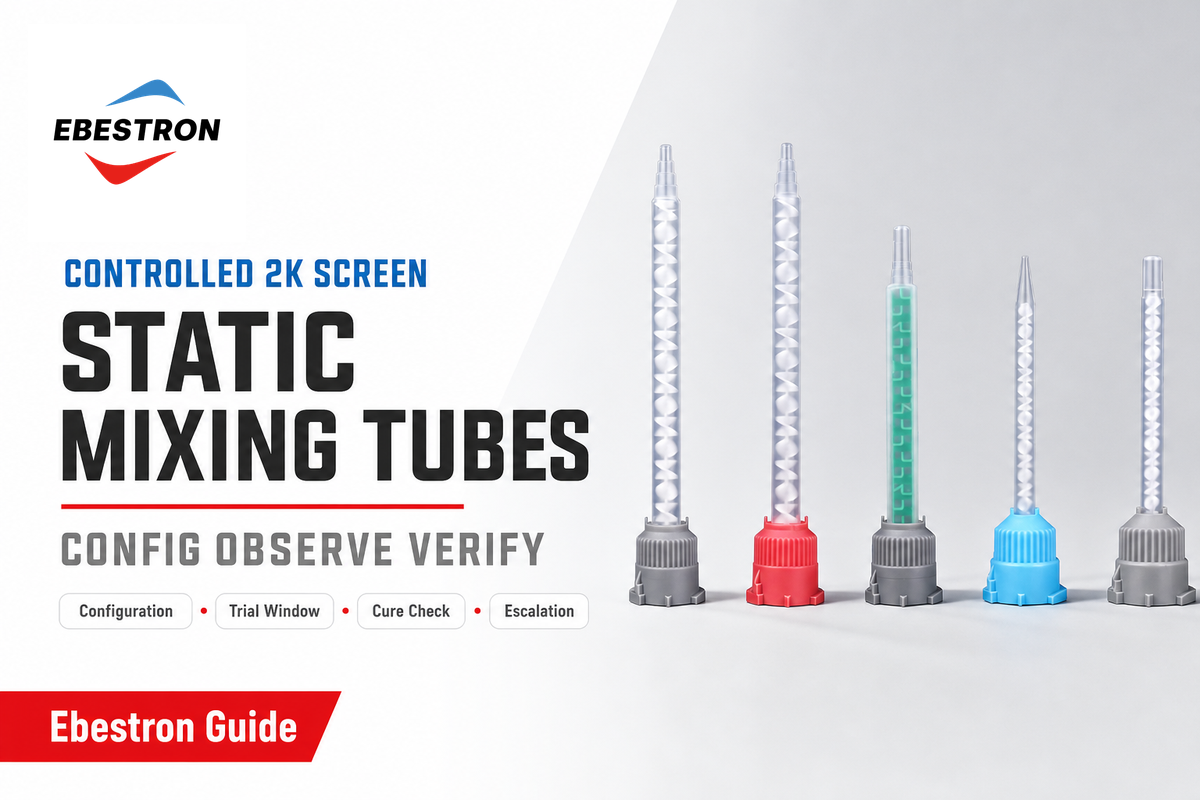
أنابيب الخلط الثابتة هي مكونات خلط تستخدم في إعداد لاصق محدد مكون من مكونين. قبل أن يصبح هذا الإعداد خيارًا إنتاجيًا روتينيًا، يحتاج الفريق إلى شيء أكثر فائدة من ملصق المنتج أو الخرزة الأولى الناجحة: سجل يوضح ما تم فحصه، وما تمت ملاحظته، وما تم التحقق منه، وما لا يزال مجهولاً.
هذا دليل شاشة يتم التحكم فيه لتطبيق لاصق محدد. إنه ليس كتالوجًا أو دليل موصل أو توصية هندسية أو ادعاءً بأن تجربة أنبوبية واحدة تكمل التحقق من صحة العملية. وتتمثل قيمته في جعل تجربة محدودة قابلة للتفسير وإعادة الاستخدام من قبل الأشخاص الذين يجب عليهم تحديد ما سيحدث بعد ذلك.
قاعدة العمل: يمكن أن تدعم الشاشة التي يتم التحكم فيها القرار التالي المحدود. لا يثبت ملاءمة الأنبوب عالميًا، أو يحدد السبب الجذري، أو يستبدل التعليمات الحالية لصانع المادة اللاصقة وطريقة القبول للتطبيق الحقيقي.
أين تبدأ هذه الشاشة التي يتم التحكم فيها، وما لا تحل محله
“أنابيب الخلط الثابتة يتم البحث عن” كما لو أن الإجابة يجب أن تكون اختيارًا للمنتج. في محادثة الإنتاج، عادة ما يكون السؤال الأكثر عملية أضيق هل يمكن فحص هذه المادة اللاصقة والخرطوشة وإعداد التوزيع والتطبيق بطريقة يمكن لشخص آخر مراجعتها لاحقًا؟
وهذا التمييز مهم لأن أداء الروابط اللاصقة يعتمد على نظام التطبيق، وليس على مادة استهلاكية واحدة بمعزل عن غيرها. حديث مراجعة الروابط اللاصقة يناقش أهمية العوامل الخاصة بالتطبيق مثل توافق المواد، وإعداد السطح، والمعالجة، وظروف الخدمة. ولذلك يجب أن توجد شاشة الأنبوب هذه داخل هذا النظام الأوسع بدلاً من التظاهر باستبدالها.
بالنسبة لفريق المصنع، تعتبر المخاطر مقارنة مضللة لأن مالك العملية المؤهل لا يزال بحاجة إلى حدود الطريقة. ايزو 10364:2024 يعد مرجعًا خارجيًا مفيدًا لحدود اختبار حياة العمل، وليس قاعدة اختيار الأنبوب.
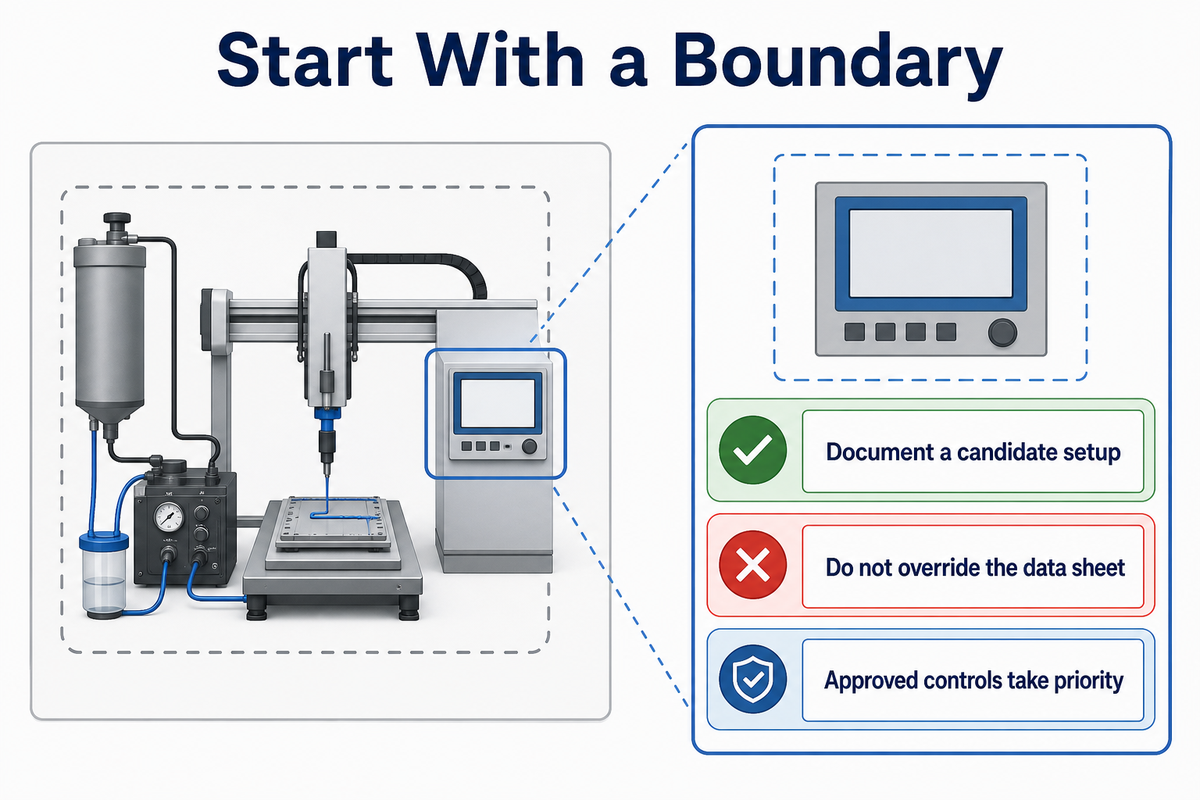
استخدم هذا الدليل عندما يكون الهدف هو توثيق إعداد المرشح قبل الاستخدام الروتيني. لا تستخدمه لتجاوز ورقة البيانات الفنية، أو الموافقة على تصميم سندات لم يتم التحقق منها، أو إنشاء إجراء أمان، أو استبدال خطة التأهيل التي يطلبها العميل أو الموقع أو الصناعة. إذا كانت الوظيفة قد وافقت بالفعل على حدود أو عملية رسمية للتحكم في التغيير، فإن هذه الضوابط لها الأولوية.
قم بتجميد تكوين المرشح قبل تغيير متغير العملية
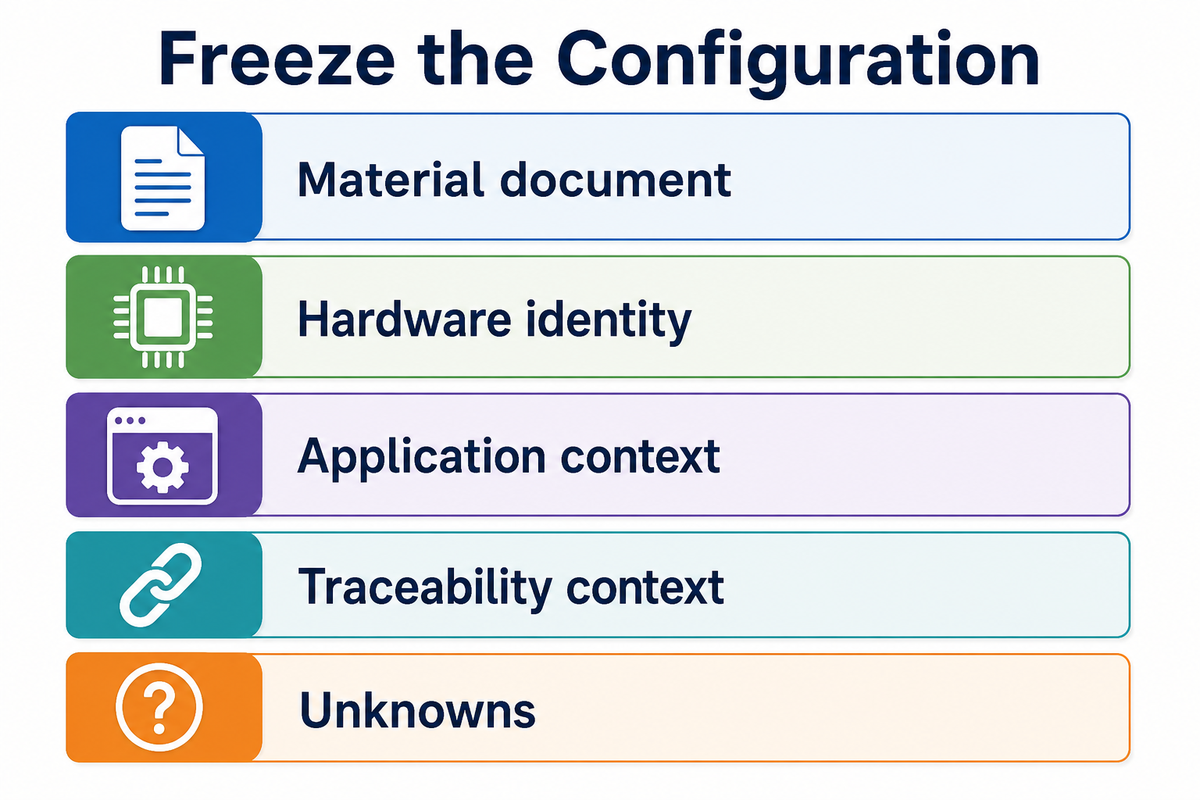
تفشل المقارنة اللاحقة إذا لم يتمكن الفريق من إعادة بناء الإعداد. ابدأ بفصل حقائق التكوين المعروفة عن الأسئلة المفتوحة. من الناحية العملية، الهدف ليس جمع كل حقل يمكن تصوره؛ إنه التقاط الحقول التي تجعل المقارنة اللاحقة مفهومة.
- سجل ال تحكم المعلومات المادية: الهوية اللاصقة والوثيقة الحالية أو المراجعة التي تحكم النسبة والتعامل والحياة العملية والعلاج وحدود التطبيق.
- تحديد المواد والأجهزة: معلومات مجموعة المكونات المتاحة، وتنسيق الخرطوشة، ومعرف الأنبوب المرشح، وهوية معدات التوزيع، وأي حالة أو إعداد للمعدات ذات الصلة تم تحديده بالفعل من قبل المالك. حيثما كان ذلك مناسبًا، لاحظ حالة طرف الفوهة وفوهة الخلط، ونمط الاتصال (بما في ذلك واجهة الحربة عند وجودها)، ومعرفات أي فوهات خلط ثابتة تم تقييمها.
- سياق التطبيق: ما الذي يتم توزيعه، وأين سيتم استخدامه، وما هي طريقة القبول التي تحكم العمل النهائي فعليًا.
- سياق التتبع: التاريخ والمشغل أو الدور المسؤول والعملية ذات الصلة أو الظروف البيئية فقط عندما يتطلبها الطلب الحاكم.
- مجهول: أي شيء لا يمكن للسجل التحقق منه، على سبيل المثال، مستند مادي مفقود، أو حد معتمد غير واضح، أو حالة معدات غير مؤكدة، أو طريقة قبول غير محددة.
من السهل حذف الحقل الأخير وغالبًا ما يكون الأكثر قيمة. كتابة “unknown” لا تضعف السجل. فهو يمنع القارئ اللاحق من التعامل مع الافتراض كحقيقة تم اختبارها.
يمكن أن تكون إرشادات الجودة عبر الصناعة مفيدة هنا فقط كقياس للتصميم، وليس ككتاب قواعد. إرشادات فحص الأجهزة الطبية لإدارة الغذاء والدواء يسجل عناصر مثل المعدات، والضوابط البيئية، والمكونات، والمشغلين، والحدود المحددة، وتغييرات العملية عند التحقق من صحة العملية المنظمة. لا تستورد هذه المقالة متطلبات الأجهزة الطبية في توزيع المواد اللاصقة. إنه يستعير تخصصًا واحدًا: إذا كانت هناك حاجة إلى حقل لتحديد ما إذا كان هناك سجلان قابلان للمقارنة، فامنح هذا الحقل مكانًا في السجل.
يعد عدم تطابق التكوين خطرًا لأن سجل الطرف الثالث لا يمكنه حل الحالة التي تغيرت بعد تجربة الإنتاج. مثال إدارة الغذاء والدواء الأمريكية هو مجرد تشبيه للنطاق، ولكنه يوضح سبب احتفاظ المراجعين المؤهلين بالمجالات ذات الصلة قبل تفسير الاختلاف.
تحويل ورقة البيانات اللاصقة إلى نافذة تجريبية
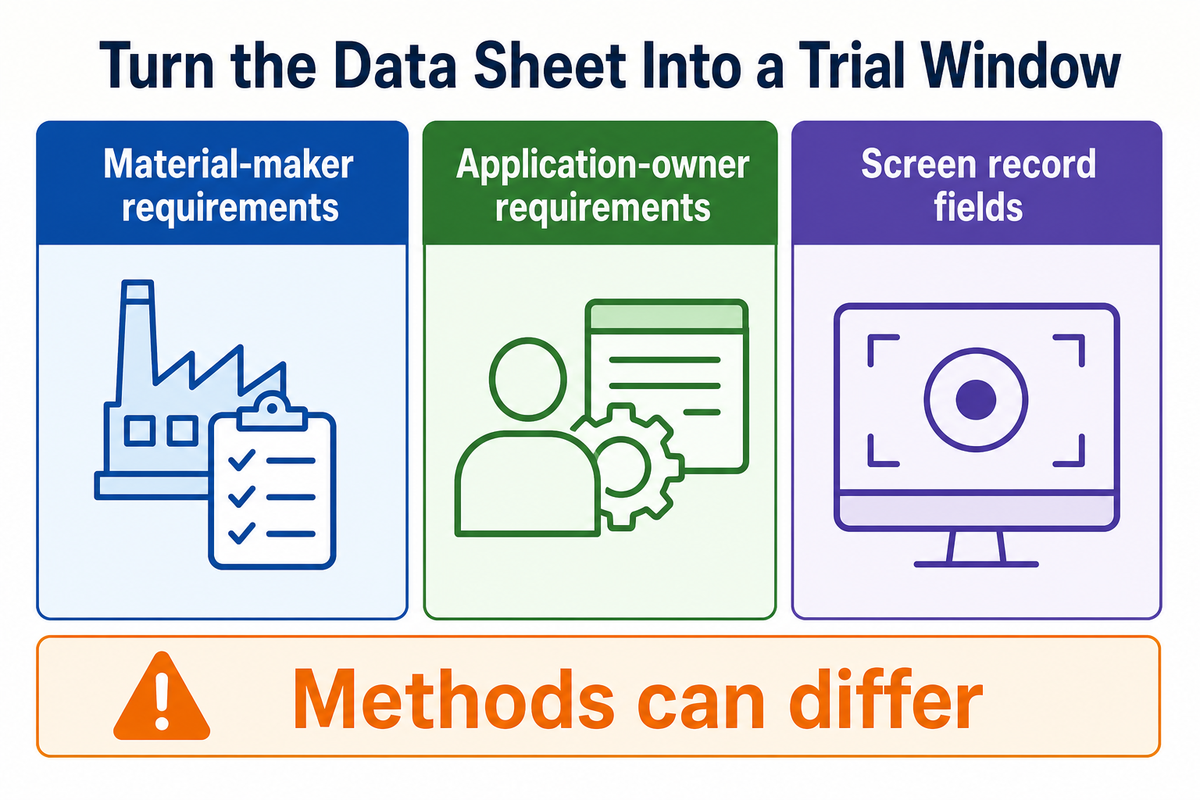
تأتي الحدود التجريبية من مالكي المواد والتطبيقات، وليس من مقالة أنبوب الخلط العامة. قبل الشاشة، حدد الوثائق اللاصقة الحالية وقم بفرز المعلومات في ثلاثة أعمدة
- متطلبات صانع المواد: نسبة المزيج المعلنة، والتعامل، والحياة العملية، والعلاج، والتخزين، ومعلومات القيود.
- متطلبات مالك التطبيق: معايير المفصل الفعلي أو إعداد الركيزة أو الهندسة أو الفحص أو الأداء أو الإطلاق التي تتحكم في العمل.
- Screen record fields: what the team will observe and preserve while it uses the defined setup.
Those columns shouldn’t be merged. A screen record can show that a stated setup was used; it can’t invent a material limit that the documentation doesn’t provide. Likewise, a visual bead observation can’t become a bond-performance test simply because it was recorded carefully.
ايزو 10364:2024 is a useful boundary reference because it covers methods for determining the working life of multi-part adhesives and explicitly notes that different methods do not necessarily provide identical results. It is not a static-mixing-tube acceptance procedure. Because the ISO page shows the edition at a review stage, anyone using it in a controlled procedure should verify the current edition and status rather than freeze a web-page snapshot into a local rule.
That boundary matters because a scope mismatch is a risk when a third-party method is used outside the condition it actually covers.
قم ببناء شاشة أنبوبية ذات متغير واحد دون تقديم مطالبة بإنتاج البطانية
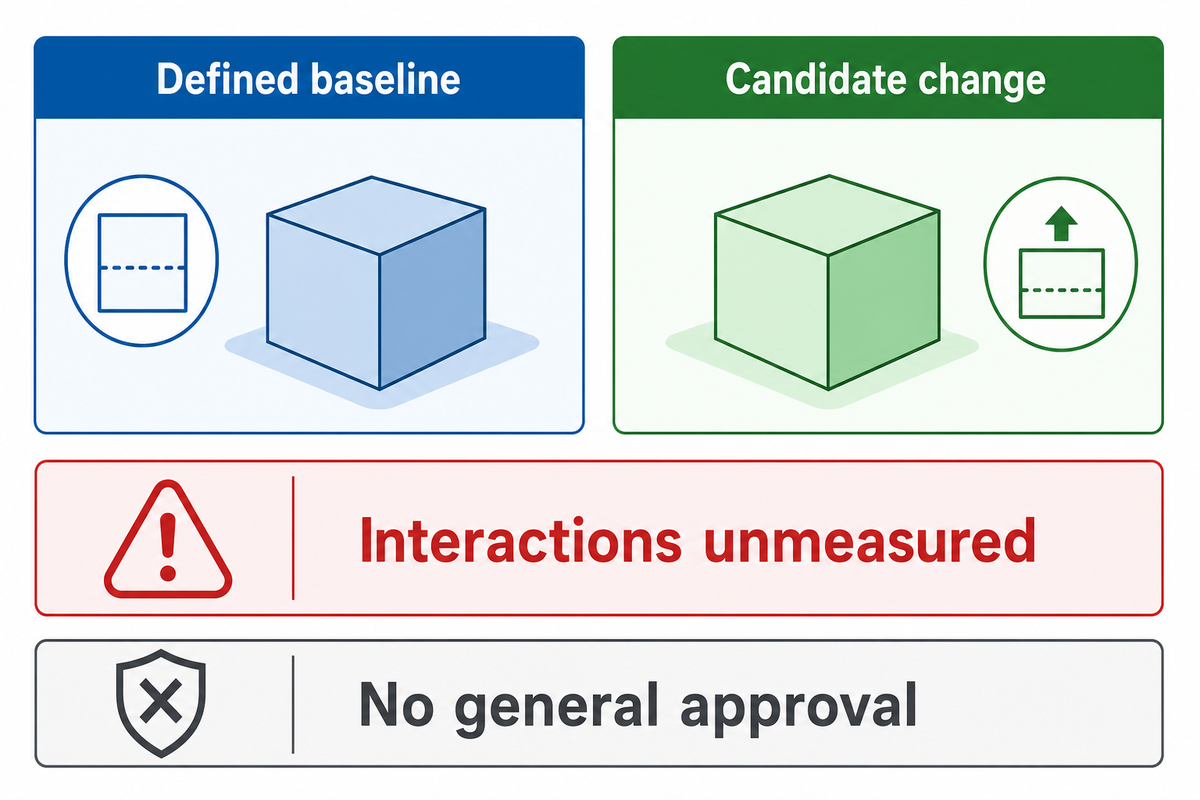
For an initial screen, choose a defined baseline if one is available, state the candidate change, and avoid changing several uncontrolled factors at once. That’s a practical way to make the first comparison readable. That result is not proof that the changed item alone caused every later result.
NIST’s experimental-design guidance explains why: one-factor-at-a-time work can leave interactions between factors unmeasured. In a static-mixing context, that limitation isn’t abstract. A peer-reviewed study of an inline static mixer found its performance changed with viscosity difference and flow regime under the study’s specific conditions. The study isn’t a cartridge-tube recipe, but it’s a useful warning against transferring a single screening result across materials or operating conditions.
For a factory trial, the risk is an overclaim rather than a defect finding: record the baseline and the controlled change before anyone attributes the result to the tube.
Decision boundary: A controlled screen documents a comparison; it does not establish a general product approval or replace the application owner’s acceptance method.
Use a one-variable screen to answer a narrow question such as: “With the same defined application context, what did we observe after introducing this candidate tube?” Don’t use it to claim that the tube is suitable for every adhesive, every dispense condition, or every downstream joint.
Record
Baseline status, the one intended change, and any condition that was not controlled.
Baseline status, the one intended change, and any condition that was not controlled.
Do not infer
That a first screen proves the tube caused the result or that unrecorded variables were irrelevant.
That a first screen proves the tube caused the result or that unrecorded variables were irrelevant.
مراقبة التوزيع قبل ارتكاب الأجزاء
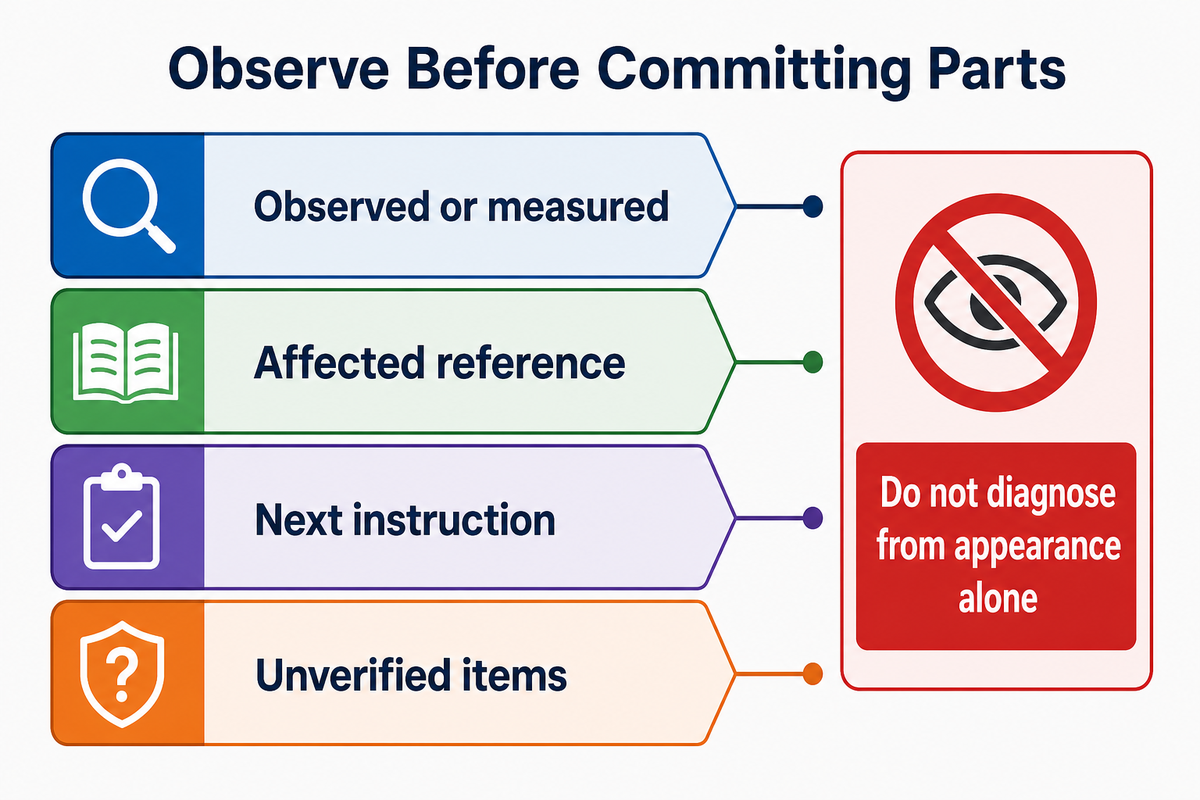
An unusual bead, streaking, changing flow, unexpected resistance, or another visible departure from the defined screen can be important. The disciplined next step is to describe what was observed, preserve the relevant reference, and route the result through the governing process. It isn’t to diagnose the tube from appearance alone.
In 2026, a report on monitoring two-part adhesive dispensing identified several distinct process concerns, such as ratio, material beginning to cure in the mixer, and purging, and noted that more than one cause can be involved. That’s why the record should distinguish:
- what the operator actually saw or measured;
- which part, sample, or work reference was affected;
- what the governing material or site instruction says to do next; and
- what remains unverified.
لماذا يمكن أن تبدو الخرزة اللاصقة المكونة من جزأين مخططة أو غير متناسقة بعد تغيير الأنبوب؟
A streaked or inconsistent bead after a tube change is an observation that can justify a hold, a comparison, or a technical review; it does not identify a single cause. Material condition, ratio delivery, equipment, timing, preparation, the candidate tube, or interacting factors may all require review. Keep the language factual: “streaking observed under this recorded condition” is useful; “the tube caused the defect” is a conclusion that needs separate evidence.
تحقق من العلاج باستخدام الطريقة التي تحكم التطبيق
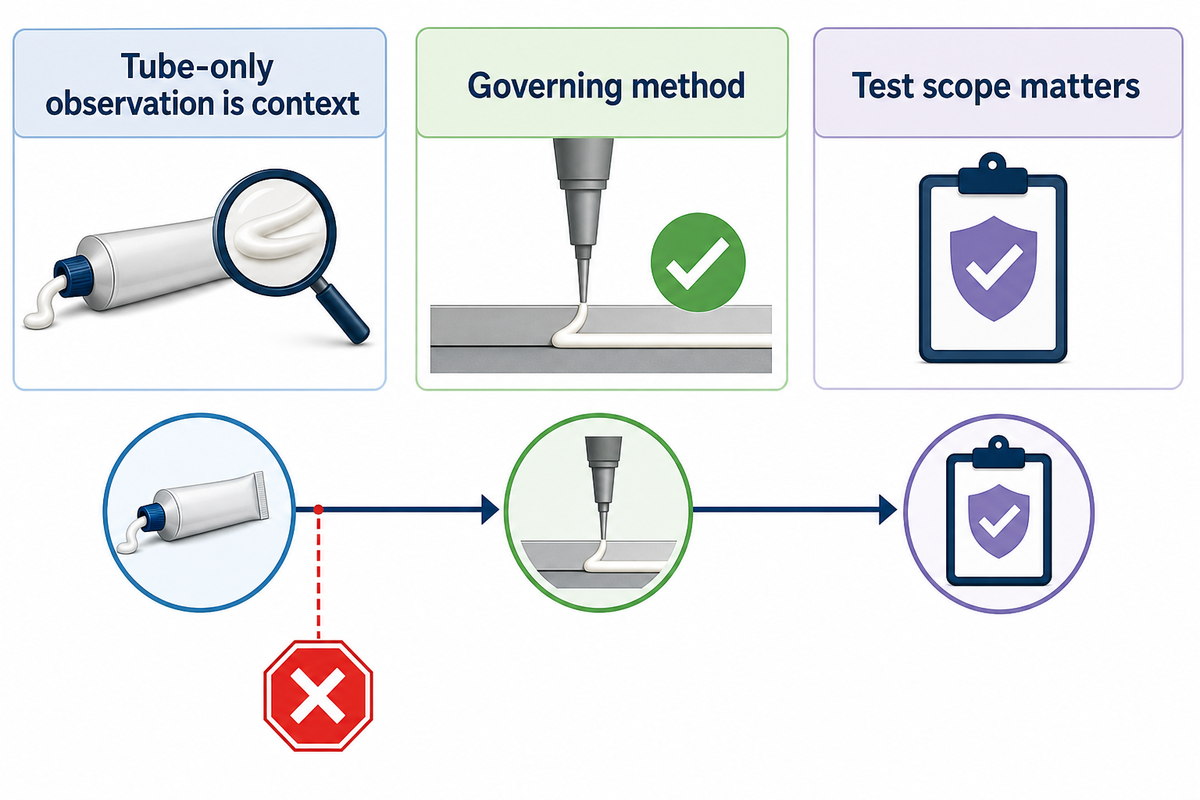
Verification should answer the question that matters for the actual application. Tube-only observation, surface feel, or a bulk sample may be helpful context, but none automatically establishes performance in the intended joint. For the actual application, the owner may need a specific inspection, cure check, test geometry, or acceptance criterion. That’s the method the record should name.
ASTM D5574’s published scope provides a useful caution: properties developed under its methods apply only to the actual adhesive formulation tested and analyzed, and the standard does not include production, inspection, or certification requirements. Its subject is wood-bonding structural joints, not mixing tubes, so it is not being presented here as a governing method. Accordingly, the transferable lesson is modest: test scope matters.
The risk of relying on an informal surface observation is that it can conflict with a defined acceptance method.
ماذا يجب أن تفعل إذا تم علاج المادة اللاصقة في أنبوب الخلط قبل انتهاء المهمة؟
Don’t publish a generic salvage or reuse instruction. Record the event, identify the relevant material and process documents, determine whether affected work must be held under the governing procedure, and ask the qualified owner for the next action. Reactive-material handling, cleanup, and restart decisions depend on the actual product and application.
استخدم سجل شاشة الأنبوب المكون من 4 سجلات لجعل أدلة المشتريات قابلة لإعادة الاستخدام
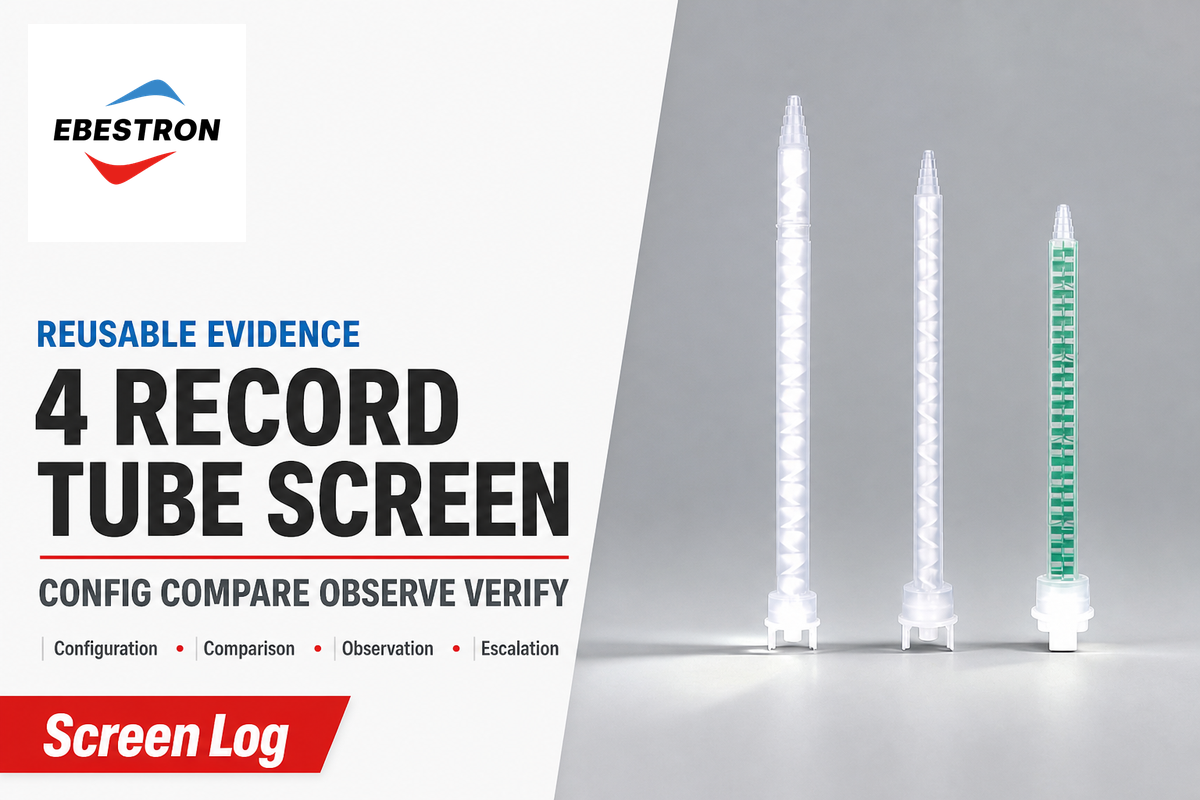
The following log is an editorial documentation aid. This log is not an ISO, ASTM, FDA, or supplier standard. Its purpose is to prevent a purchase or production discussion from being based on an unrepeatable verbal report.
| Record | Capture | Decision it can support | What it does not prove |
|---|---|---|---|
| 1. Configuration | Governing document/revision; available material lot; cartridge, tube, and equipment identity; operator/date; application; relevant owner-defined conditions. | What was actually screened. | Universal suitability or complete process validation. |
| 2. Comparison | Baseline or a documented absence of one; intended changed variable; uncontrolled or unknown conditions. | Whether the screen is interpretable enough for a next review. | All factor interactions or a root-cause finding. |
| 3. Observation | Factual dispense/process observation, sample or work reference, and any hold or affected-work disposition. | Whether to compare, pause, or seek a qualified decision. | Cure or intended-joint performance. |
| 4. Verification or escalation | Governing method and acceptance criterion, result source, unresolved variables, owner, and next action. | A release path or technical review route. | Supplier equivalence, a new specification, or a waived requirement. |
9-مفردات تكوين الفئة للشاشة التي يتم التحكم فيها
Search and purchase terminology does not define a configuration by itself. Use the following vocabulary as a translation aid: record a term only when it is actually part of the defined setup, and verify any specification against the governing material and application documents.
| Category | Terms that may appear in a request | What the screen record should preserve |
|---|---|---|
| Mixing interface | static mixer nozzle; mixing tip; nozzles for two-part | The actual interface identifier and condition, rather than an assumed equivalent. |
| Use-cycle label | disposable static; replacement | Whether the label is relevant to the defined screen and the governing handling instruction. |
| Material wording | epoxy; glue; silicone; two-part adhesive | The material identity and its current documentation, not a generic compatibility conclusion. |
| Package descriptor | adhesive cartridge; 50 ml; 50 ml cartridges; 400 ml cartridges; volume; size | The package label actually used; capacity wording alone does not establish fit. |
| Dispensing hardware | gun; tool; syringes | The identified device or tool and any owner-defined condition. |
| System description | meter mix; element | The system description used by the responsible owner, without assigning an unverified geometry or setting. |
| Operating context | mix two-part; combine; pressure; flow rate | The observed or owner-defined condition and any applicable limit; this guide supplies no universal value. |
| Attachment language | fit; attach; match; align | What was physically identified and what still needs confirmation before use. |
| Request context | manufacturer; dispensing experts; waste | The specific question for the responsible technical contact, not a blanket product recommendation. |
Once this log exists, a usable procurement conversation can begin. The log lets the team ask a supplier or internal technical owner a precise question about a defined application instead of asking for a blanket assurance that a tube will “work.”
In a review meeting, read the four records from left to right. First, decide whether the configuration is sufficiently identified to compare. Next, decide whether the stated change and the observation answer the narrow screen question. Then identify whether the governing verification method has actually been run, is pending, or hasn’t yet been defined. Finally, assign one owner and one next action. This sequence prevents a purchasing decision from silently becoming a technical release decision.
When the answer is “not enough information,” the log remains useful. A missing lot reference, unknown document revision, absent baseline, or undefined acceptance method isn’t a reason to make a negative product claim. That gap is a reason to preserve the question, avoid an unsupported comparison, and obtain the right instruction before more work is committed.
The risk is an unsupported procurement claim, especially when the record leaves an ambiguous field that needs an owner before a production decision proceeds. FDA documentation guidance is only a cross-industry boundary reference, not an adhesive-dispensing requirement.
تعرف على متى يتطلب السجل التصعيد بدلاً من تعديل آخر
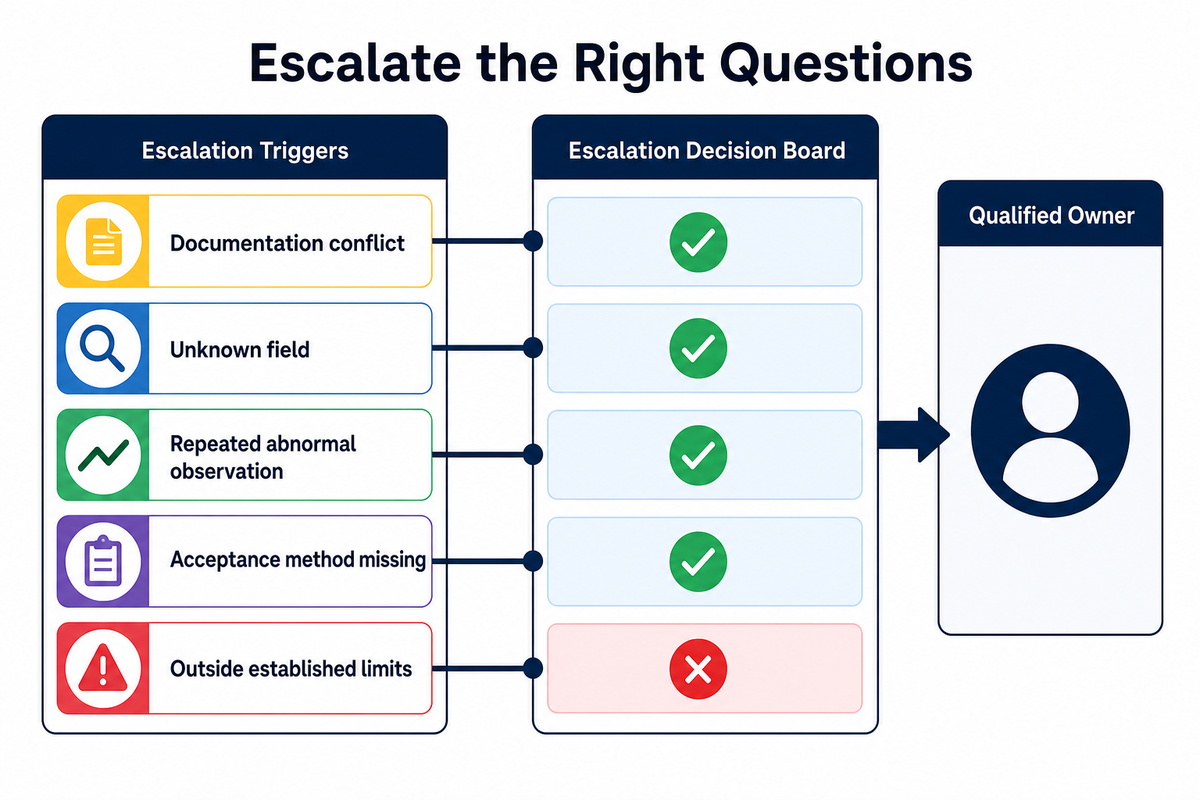
Escalation should be tied to a defined decision boundary, not to anxiety about every unusual bead. One observation may be handled inside an approved local procedure if that procedure defines the limit and action. Escalate when the record shows a conflict or gap that the local procedure can’t resolve, for example:
- the material documentation and the planned process instruction conflict;
- a key configuration field is unknown or can’t be verified;
- the same abnormal observation persists after the defined screen is repeated;
- the application requires a performance or joint-level acceptance method that hasn’t been identified; or
- a proposed adjustment would move outside established instructions or limits.
OSHA’s incident-investigation guidance isn’t adhesive troubleshooting, but it makes a useful reasoning point: stopping at an immediate cause can hide contributing equipment, procedure, training, or program factors. The same restraint is appropriate here. Preserve the observation and the known configuration, then send the unresolved question to the owner qualified to interpret the governing method.
ما يمكن أن تقوله بيانات البحث الحالية، وما لا يمكن قوله، عن فحص الأنبوب
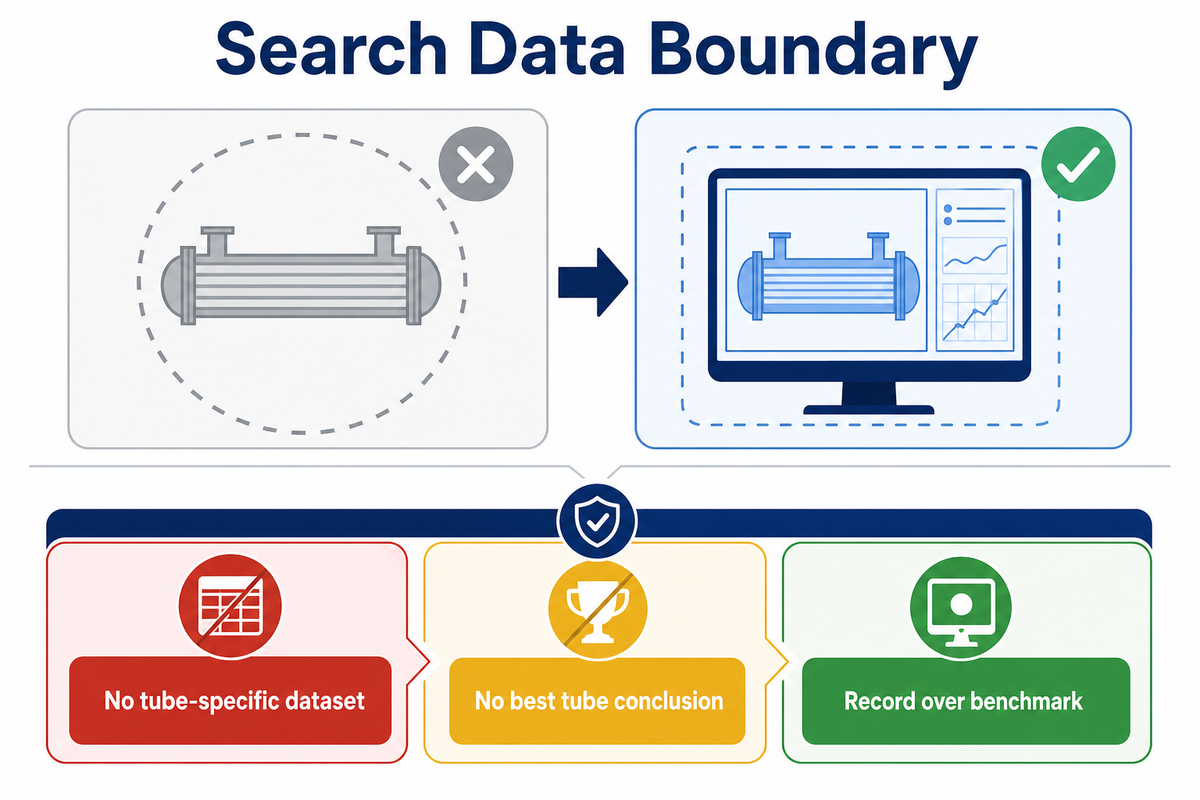
The current search set didn’t produce a transparent, tube-specific market dataset or an independent universal performance benchmark. Broad static-mixer forecasts and supplier-led savings claims aren’t enough to support a market-growth, cost-saving, or “best tube” conclusion for this guide. For a factory team, that limitation matters because ايزو 10364 addresses a defined working-life method, not a universal selection benchmark. A reliable screen record is therefore more useful than an attractive number with the wrong scope.
الخطوة التالية: إحضار تطبيق محدد إلى صفحة حل المنتج
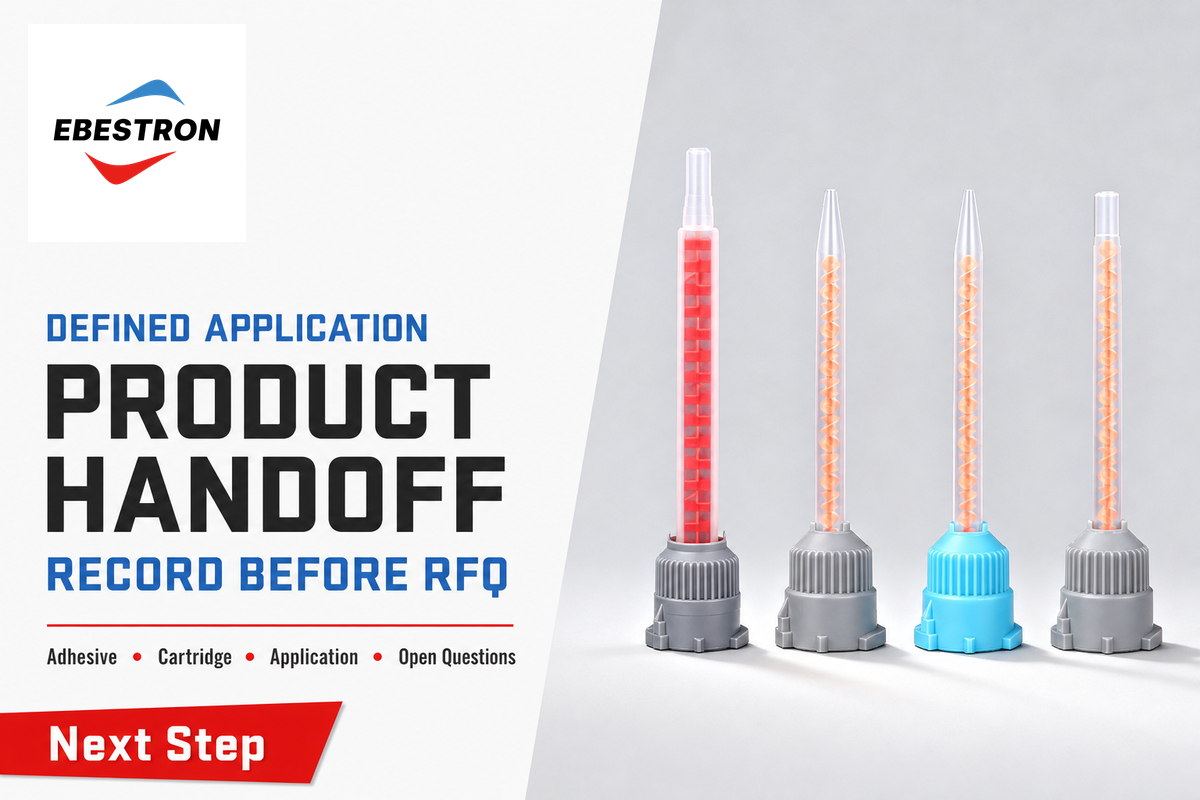
Once the record identifies the adhesive, governing document, cartridge format, defined application, and unresolved questions, use it to review the appropriate أنابيب الخلط الثابتة solution options. Request a specific application review from Ebestron’s customer-service team, providing the cartridge format and process record. That product page is the right place for a defined application discussion; this article remains the guide for making that handoff evidence-based.
الأسئلة الشائعة
ما هي أنابيب الخلط الثابتة المستخدمة؟
تُستخدم أنابيب الخلط الثابتة في إعدادات التوزيع المكونة من مكونين لجمع تدفقات المواد المنفصلة معًا قبل التطبيق. بالنسبة لفريق العملية، السؤال التالي هو ما إذا كان قد تم فحص الإعداد المحدد بالكامل مقابل متطلبات المادة اللاصقة والتطبيق الحاكمة، بما في ذلك التكوين المذكور وشروط التطبيق وطريقة القبول. لا يمكن لمعلومات الخلفية العامة أن تحل محل تلك المواد وتعليمات الموقع.
كيف يمكنني تشغيل شاشة يتم التحكم فيها لأنبوب خلط ثابت؟
قم بتسجيل التكوين المحدد، وتحديد المواد الحاكمة ووثائق الطلب، وبيان المقارنة المقصودة، والحفاظ على الملاحظات، وتسمية مسار التحقق أو التصعيد قبل استخلاص النتيجة. احتفظ بالهوية اللاصقة ومعرف الأنبوب والمعدات والتطبيق والمتغيرات التي لم يتم حلها معًا. تعامل مع النتيجة كشاشة محدودة، وليس كدليل على كل تفاعل عملية أو التحقق من صحة مستوى الإنتاج.
كيف أعرف ما إذا كان أنبوب الخلط الثابت قد تسبب في نتيجة سيئة؟
لا تقرر من المظهر وحده. الحفاظ على الملاحظة، والتصرف في العمل المتأثر، وسجل التكوين ذي الصلة، ثم استخدام المادة الحاكمة أو طريقة التطبيق لمراجعة الأسباب المحتملة. يمكن أن تتفاعل حالة المادة، ونسبة التسليم، والمعدات، والتحضير، والتوقيت، والأنبوب. يجب أن يتبع الإجراء المؤهل التالي طريقة القبول الموثقة بدلاً من الاستنتاج البصري.
كم تكلفة الخلاط الثابت؟
السعر ليس معيارًا للتحقق من الصحة أو الفحص. ويختلف ذلك باختلاف تنسيق الخرطوشة والأنبوب المحدد والكمية وشروط المورد ومتطلبات التطبيق والترتيبات التجارية. ولهذا السبب، لا يقارن هذا الدليل الأسعار أو يوصي بالشراء. لا يزال بإمكان فريق الشراء استخدام عملية عرض أسعار المورد العادية بعد تسجيل التكوين الفني والمستند الحاكم والتطبيق والمتغيرات التي لم يتم حلها. يحافظ هذا التسلسل على مقارنة تجارية منفصلة عن الشاشة الخاضعة للتحكم الموضحة هنا. بمجرد توفر هذه الحقائق، انقل مناقشة التطبيق المحددة إلى صفحة حل المنتج ذات الصلة.
هل يمكنني إعادة استخدام أنبوب الخلط الثابت بعد معالجة المادة اللاصقة بداخله؟
Follow the adhesive maker’s current safety, handling, and cleanup instructions together with the site procedure. This guide does not provide a generic reuse or salvage method for reactive-material equipment because acceptable handling depends on the actual product and application. Record the event, identify any affected work, and obtain the qualified owner’s next action before restarting the process. If the record is being used for a purchasing or production decision, keep the cured-tube event separate from a product-selection discussion: note whether material remained in the tube, whether any work was affected, whether the site has an approved restart instruction, and who owns the decision before the next dispense starts.
المراجع والمصادر
- Peer-reviewed adhesive-bonding review application-dependence context; not a tube acceptance method.
- Assembly Magazine: real-time monitoring and two-part adhesive dispensing trade-process context; not a universal diagnostic procedure.
- NIST: One variable at a time general experimental-design limitation; not adhesive guidance.
- ايزو 10364:2024 multi-part adhesive working-life method scope; verify current status before procedural use.
- Peer-reviewed static-mixer study on viscosity ratio – inline-mixer proof under defined states; not a cartridge-tube formula.
- ASTM D5574 scope page scope caution for adhesive-joint properties; not a tube standard.
- FDA medical-device process-validation inspection guide cross-industry record-design analogy only, not a requirement for adhesive dispensing.
- OSHA incident-investigation guidance cross-industry root-cause reasoning only, not adhesive troubleshooting instruction.