Get in touch with Ebestron Company

Contact Form 使用中
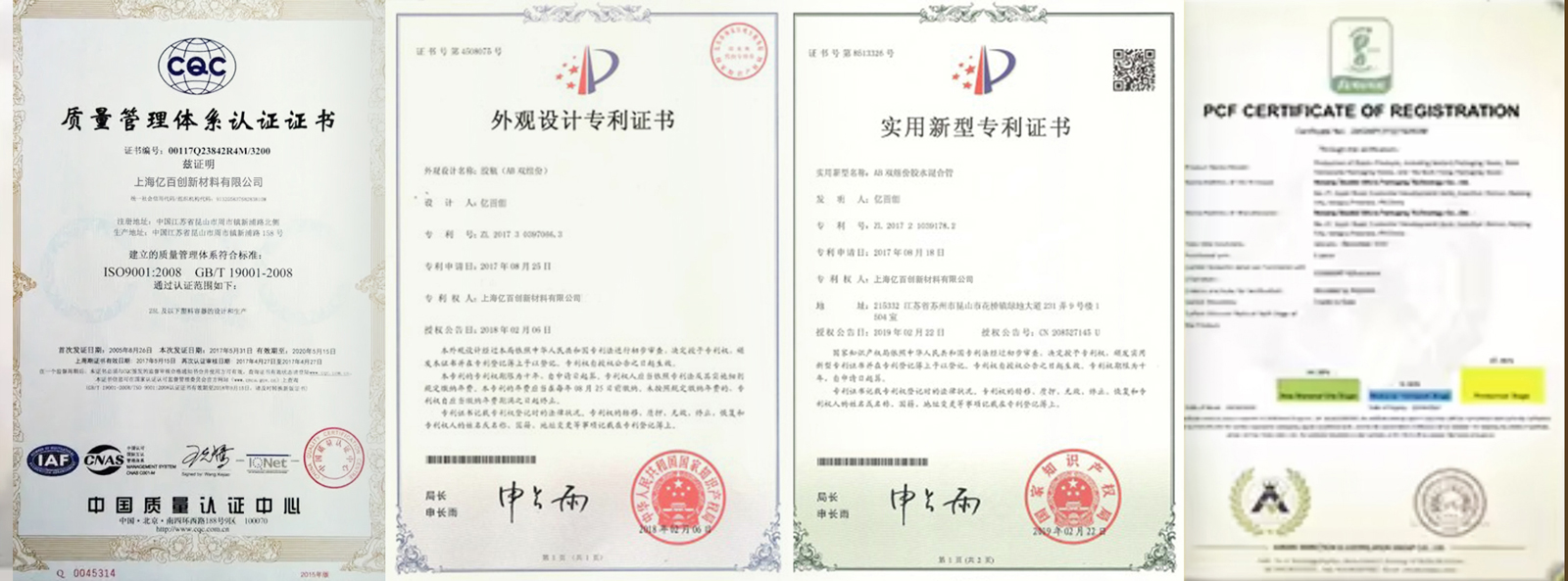
ISO 9001 Certified

Sulzer Mixpac & 3M Compatible Mixers

Static Mixing Nozzles Compatible with Sulzer Mixpac® & 3M™ Cartridge Systems

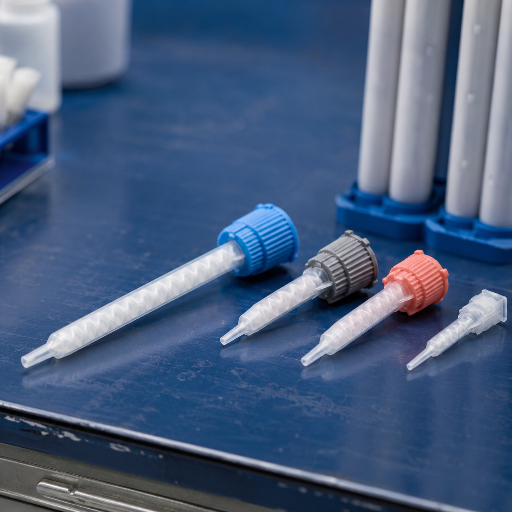
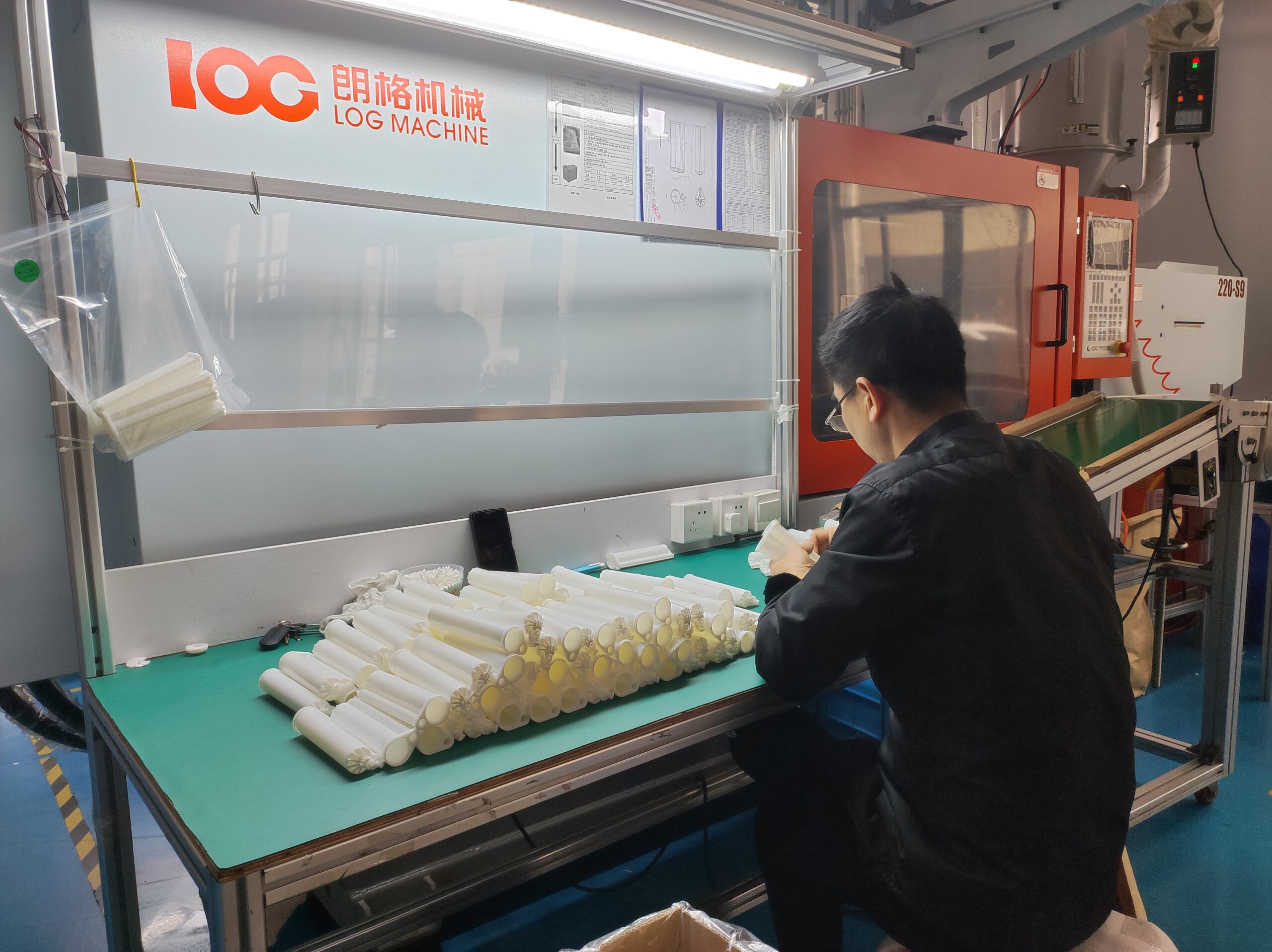
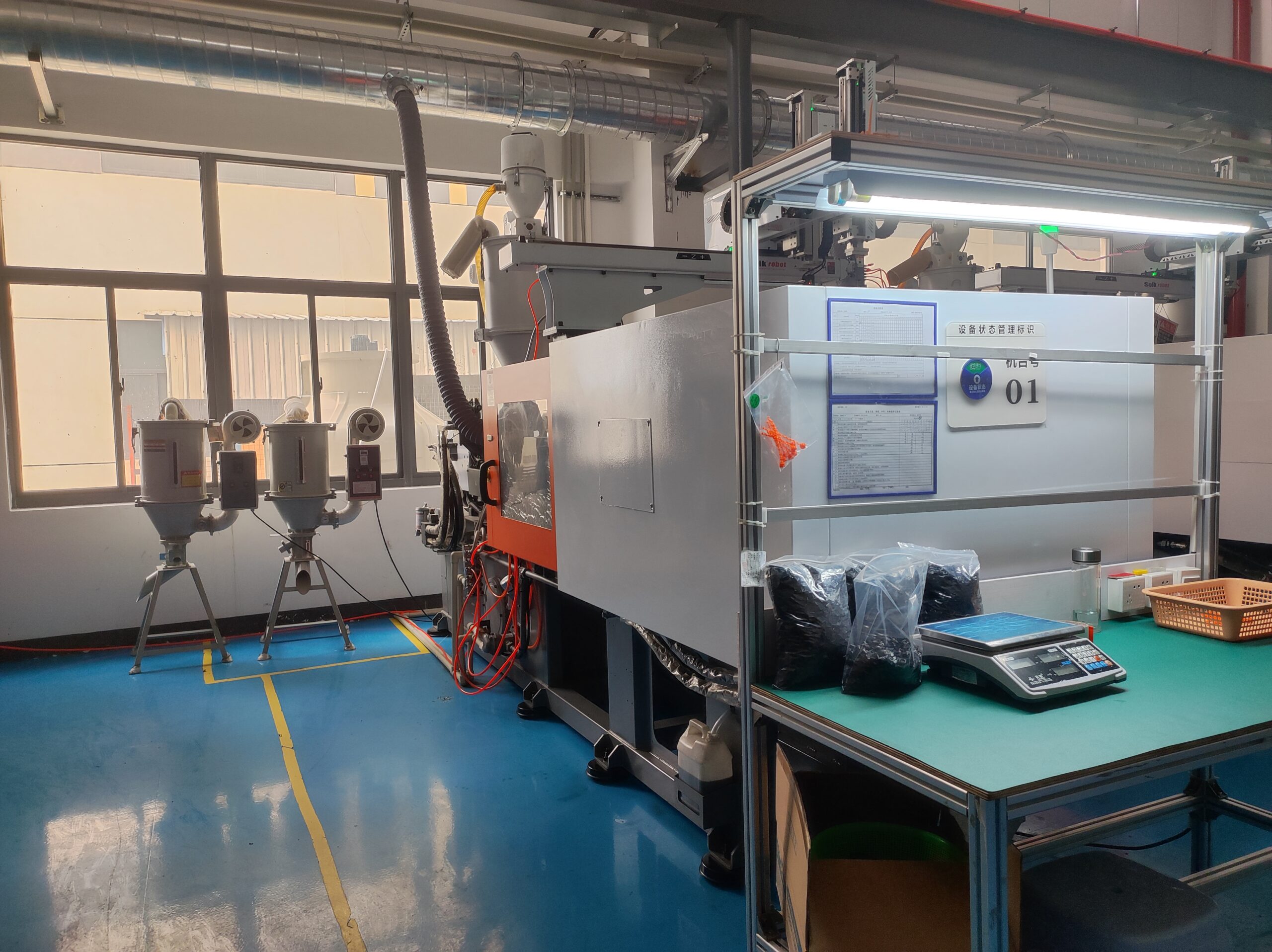
A static mixing nozzle decides whether your two-part bond cures hard or stays tacky, and most off-ratio failures start right here, at the tip. Ebestron builds disposable static and dynamic mixers that drop into your existing Sulzer Mixpac, 3M Scotch-Weld and Nordson cartridge guns, matched by system, bore, element count and mix ratio so the part fits the first time. We mix epoxy, polyurethane, silicone, acrylic and MMA to the right ratio, ship factory-direct from Kunshan, and back every batch with CE and RoHS documentation.

  • A/B/C/F

    Systems & bayonet Fit

  • CE·RoHS

    Compliance on file

Static Mixing Nozzles for Sulzer Mixpac and 3M Cartridges
50–1500 ml

Cartridge sizes covered

1:1–10:1

Mix ratios supported

±5%

Mix-ratio tolerance

Factory-direct

OEM & private label

Off-Ratio, Half-Cured Bonds Start at the Nozzle

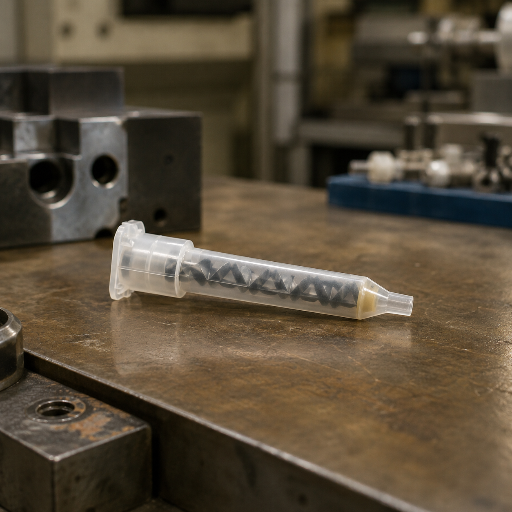
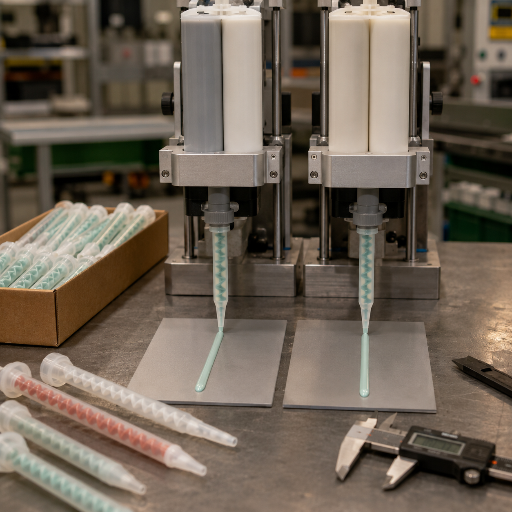
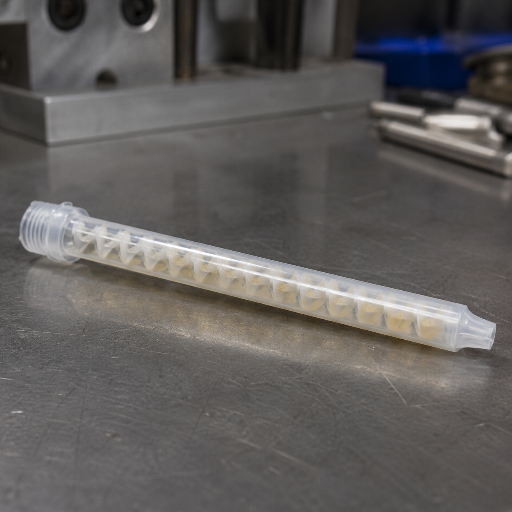
The wrong mixer leads to improperly mixed material, slow set times and a weak finished joint, and on a production line you usually find out three steps too late, when the part peels at QC. A static mixing nozzle has no moving parts. It’s a string of fixed helical or square elements inside a plastic tube that splits the A and B streams again and again as you squeeze the gun, folding them into one even blend before the adhesive ever touches your workpiece.

When the element count is too low for the chemistry, or the nozzle doesn’t match your cartridge ratio, part of that resin leave the tip unmixed. That’s the root cause behind most “the epoxy never hardened” complaints. Buyers searching for an epoxy mixing nozzle, a 2 part epoxy mixing nozzle or replacement static mixing tubes are really shopping for one thing: a tip that mixes to ratio every shot and fit the gun they already own. That’s the problem this page solves, the dispensing-device-in-nozzle approach is old enough to be public prior art (USPTO US4801008), so the real differences today are fit, mix quality and waste, not novelty.
Picture a typical case:

An automotive trim-bonding cell in the EU running 1:1 structural epoxy through 50 ml cartridges. Put an 8-element static mixer nozzle on a job that wants 16, and the last 10 mm of every bead leaves the tip under-mixed, a defect that surfaces as a rattle three stations downstream and a scrapped panel at final QC. Ebestron fit-tests each series against live Sulzer Mixpac and 3M cartridge geometry before it ships, because the cost of a wrong tip is never the tip; it’s the rework hour it triggers.

Mixer Series Decode Key, Match Your Cartridge in One Row

Most suppliers sell you a Sulzer or 3M part number and leave you to guess the rest. Our buyers told us the same thing the trade guides do: the number-one friction point isn’t price, it’s working out which system, size and ratio fits the gun on the bench. So we built the Mixer Series Decode Key—read your existing OEM code across, read the Ebestron-compatible equivalent back. An undersized nozzle raises backpressure and hurts dispensing stability, so we match bore and length, not just the bayonet.
OEM series / code System & fit Cartridge size Ratios Ebestron compatible bore / elements
Sulzer Mixpac MAH (MA) A-system, bayonet twist-lock 50 ml 1:1, 2:1 4–6 mm / 14–17 el
Sulzer Mixpac MBH (MB) B-system, twist-lock 50 ml 1:1, 2:1, 10:1 3–6 mm / 12–18 el
Sulzer Mixpac MCH (MC) 200/400 manual & pneumatic 200–400 ml 1:1, 2:1, 4:1 6–10 mm / 18–24 el
Sulzer Quadro (square) low-waste square element 50–400 ml 1:1–10:1 shorter / 12–18 el
3M™ EPX 08193 / 08194 Scotch-Weld, 200 ml 200 ml 1:1, 2:1 6.5 mm / 18–21 el
3M™ EPX 38195 Scotch-Weld, 50 ml 50 ml 1:1, 2:1 4 mm / 16 el
Nordson / F-system bell & F-connect 200–400 ml 1:1, 2:1, 4:1, 10:1 8–13 mm / 18–24 el
Loctite® A-style A-system bayonet 50 ml 1:1, 2:1 4–6 mm / 16 el
Loctite® F-style F-system bell 200–400 ml 1:1, 2:1, 10:1 8–10 mm / 21–24 el

Element-Count Striation Ladder, Why More Isn’t Always Better

Here’s the honest version that most catalog pages skip: element count, the number everyone quotes, has become an unreliable way to pick a mixing nozzle. More elements isn’t always better mixing. Each element you add also adds length, and every extra millimetre of tube traps more adhesive and raises backpressure. The trade press now says the quiet part out loud, helical designs often need 24 to 32 elements, but you pay for that in wasted resin.

What actually happens inside is simple math.

Each element splits the flow in two, so the number of layers, what mixing engineers call striations, doubles at every stage: 2 streams after the first element, 4 after the second, 8 after the third. The count follows 2ⁿ, where n is the element number. By 20 elements you’re past a million layers, which is far more homogeneity than a 1:1 epoxy ever needs (see the operating principle described in USPTO US5425581A, twisted wing-shaped mixing elements).

“We size the mixer to the ratio and viscosity first, then check element count last. On a 1:1 epoxy a 16-element tube already builds 65,000 layers, pushing a customer to a 24-element part there just throws their adhesive in the bin.”

Ebestron Engineering Team, Adhesive Dispensing R&D, Kunshan
Elements (n) Striations (2ⁿ layers) Class of mix Best-fit job
6 64 coarse 1:1 low-viscosity, short bead
8 256 coarse 1:1 sealants, fast tack
10 1,024 standard 1:1–2:1 general epoxy
12 4,096 standard 2:1 structural epoxy
14 16,384 fine 4:1 acrylic, MMA
16 65,536 fine 50 ml precision bonds
18 262,144 fine 200 ml two-component epoxy
20 1,048,576 very fine high-viscosity paste
24 16,777,216 very fine 10:1 ratios, demanding silicone/PU
32 4.29 × 10⁹ over-spec for most only when viscosity gap is extreme

Compatible Aftermarket vs OEM Mixers, the Honest Comparison

Plenty of buyers assume a compatible part mix worse than a genuine Sulzer or 3M tip. The field evidence says the opposite when the specs line up: a spec-matched generic nozzle runs equal or better than the name-brand equivalent at a fraction of the cost, because the nozzle designnot the logo, governs mix quality. Below is a straight comparison, real numbers only, no High/Medium/Low hand-waving.

VS
Compatible Aftermarket vs OEM Mixers Honest Comparison
What you measure OEM (Sulzer / 3M) Ebestron compatible
Mix-ratio tolerance ±5% ±5% (same geometry)
Element / bore match reference spec matched 1:1 to OEM code
Striations at 18 el 262,144 262,144 (identical 2ⁿ)
Wetted material PP / PBT PP / PA / PBT to chemistry
Unit price index 100 30–55
Typical MOQ full case only flexible, OEM-friendly

The math behind a matched element profile is itself documented public art (USPTO US20120106290A1 describes a formula for designing a static mixing element), which is exactly why a faithfully copied geometry performs the same. You aren’t buying a worse mixer; you’re skipping the brand premium. That’s the whole case for a compatible adhesive mixing nozzle.

Concrete Case

A furniture maker in Poland was spending most of its consumables budget on branded 50 ml tips for a 2:1 epoxy edge-bond. The pain wasn’t mix quality, it was the line item. Switching to a spec-matched Ebestron tip at the same 18 elements and ±5% ratio held the bond and cut the tip spend by more than half, with the saving going straight to margin. Ebestron engineers each compatible part to the OEM reference so QC sees no change on the bench, only on the invoice.

Nozzle Dead-Volume Waste Index, What The Tip Quietly Costs You

Every purge cycle leave usable adhesive inside the mixer, and that retained slug adds up to a real cost factor across a shift. A long helical tube holds more; a shorter, tapered or square (Quadro-style) geometry mixes in less length and leaves less behind. Independent reporting puts the upside high: switching to an efficient short-element geometry can cut adhesive waste by up to 75% at the same mix quality.
~75%
less wasted adhesive achievable with short-element geometry vs long helical tubes, at equal mix homogeneity
Source: Adhesives & Sealants Industry / Xemex reporting (industry figure, not a first-party Ebestron measurement)
Long helical mixer geometry

Long Helical

  • Typical length ~150 mm
  • Retained (dead) volume ~20 ml / nozzle
  • Annual waste per 1k nozzles ~14,100 ml*
Short square mixer geometry

Short / Square Geometry

  • Typical length ~90 mm
  • Retained (dead) volume ~5 ml / nozzle
  • Annual waste per 1k nozzles ~3,500 ml*
*Industry-reported figures (adhesivesmag), used as an order-of-magnitude guide, not a guaranteed result, your waste depends on pot life, bead size and changeover frequency. The geometry that reduce that dead volume is, again, established engineering rather than marketing, see the mixer construction in USPTO US9700859. Specify the shortest tube that still hit your ratio’s striation target and you stop paying to fill the bin.
Worked through on a real shape: a medical-device potting line in the EU dispensing 1:1 silicone through 1,000 nozzles a week. At ~20 ml retained in a long helical tube, that’s roughly 14 litres of cured silicone in the bin every week before a single part is bonded. Move to a short square geometry at ~5 ml retained and most of that comes back. We mold both profiles, so the changeover is a part-number swap, not a new gun. A 3m static mixing nozzle replacement follows the same rule, shortest tube that still mix.

Static-vs-Dynamic Mixer Decision Tree

Static covers the large majority of cartridge work. A dynamic mixer, one with a motor-driven rotor, only earns its place when the two components sit far apart in viscosity or run at hard ratios like 10:1, where passive elements struggle. Use this as a quick routing tree by chemistry, ratio and application; one note on terminology, a helical static mixer sold for pipelines and process tanks is a different product class from the cartridge tips here.

Chemistry Viscosity gap Ratio Mixer type Element count
Epoxy low–moderate 1:1, 2:1 Static 12–18
Polyurethane moderate 2:1, 4:1 Static 18–24
Silicone high 1:1, 10:1 Static (24 el) or Dynamic 24+
Acrylic / MMA moderate 4:1, 10:1 Static 18–24
Wide-gap or filled paste extreme any Dynamic (RM/RS) rotor

Engineering Note, the backpressure trade-off

Pushing a high-viscosity silicone through a 24-element static tube by hand is hard work and can starve the mix at the start of a bead. If an operator is fighting the gun, step up to a pneumatic applicator before you add elements, the dynamic-mixing route described in USPTO US8061890B2 exists precisely for the ratios and viscosities where static reaches its limit.

Where the tree earns its keep:

an aerospace composites shop in the US bonding with a thick 4:1 methacrylate was getting streaky cure with a 12-element tip. The chemistry and ratio pointed straight at 18–24 elements in a PA housing, and the streaking stopped, no dynamic unit needed, just the right static spec. Our engineers walk this tree with you for free before you commit a single case, because a returned pallet of the wrong tube help no one.

×
Enlarged Quality Control Image

Certifications & Material Quality Control

Trust is the second objection after fit, and for a new supplier it is fair. We answer it with documentation, not adjectives. Every Ebestron mixer ships against CE and RoHS declarations, and we pick the wetted polymer to the chemistry it will see, the wrong housing material can swell or stress-crack just as surely as a bad mix.

Housing material Best for chemistry Why
PP (polypropylene) epoxy, PU, silicone broad chemical resistance, food-contact grades available
PA (nylon) acrylic, MMA holds up to aggressive methacrylate monomers
PBT MMA, 10:1 S-systems stiffness and solvent resistance for hard ratios

*Food-contact PP grades meet US FDA 21 CFR 177.1520; request the specific grade certificate for regulated work. Material choice is the honest limitation to flag too: a side-by-side static mixer is not the right tool for fast-settling filled compounds, and we will tell you when a job needs a dynamic unit instead of selling you the wrong tube.

Concrete Case

Where this matters most is regulated work. A medical sub-assembler in the EU bonding with a food-contact-grade silicone need the housing polymer documented, not assumed, a PA tip leaching into a 1:1 silicone is a failed audit waiting to happen. Ebestron certifies the wetted material per batch and ships the grade certificate with the order, so the QC engineer signing off has the paper in hand, not a promise.

Ebestron Quality Control and Mixer Materials

CE

Declaration on file

RoHS

Restricted-substance compliant

PP food-contact

FDA 21 CFR 177.1520 grade*

QC batch

Fit & flow checked

Sourcing Guide, MOQ, Lead Time and OEM / Private Label

Buying a consumable shouldn’t feel like buying a machine. Because we run our own production in Kunshan rather than reselling, the commercial terms stay flexible, small trial quantities to qualify the fit, then volume pricing once a part is approved. Rather than print a single headline price that will be wrong for your volume, here are the factors that actually move a mixer quote.

Pricing Factors Framework

01

Volume & release schedule: blanket orders against scheduled releases price below one-off buys.

02

Element count & length: more elements and longer tubes use more resin and tooling time.

03

Housing material: PBT and nylon cost more than standard PP.

04

Branding: neutral, private-label or printed bag.

05

Compliance pack: standard CE/RoHS vs full grade certificates for regulated work.

Request a Quote
OEM

For private-label and OEM programs, your branding, our tooling, the same quality system applies, audited to ISO 9001 practice (framework reference: ISO 9001:2015). Lead times move with volume and season, so the honest answer is “request an estimate for your quantity” rather than a number that flatters us on paper.

A typical OEM path:

a US adhesive formulator wanted its own brand on a 200 ml MC-compatible tip for a 2:1 epoxy kit, starting at a few thousand pieces a month. Because Ebestron owns the tooling in Kunshan, the trial ran on a small qualifying lot, the private-label bag printed to their artwork, and volume pricing kicked in once the part passed their incoming inspection, no case-only minimum to clear first. That’s the difference factory-direct make on a consumable: the commercial terms bend to your release schedule, not the other way round.

Mixer Selection & Engineering Calculators

Mixer Fitment Finder

Match your OEM cartridge to a compatible Ebestron static mixer.

// SYS_ACCESS_01

FAQ

Yes, when the system, bore and element count match. Send your OEM code — an MAH, MBH or MCH number for Sulzer, an 08193 or 38195 for 3M — or just a clear photo of the tip you are replacing, and we confirm the compatible Ebestron part before you place an order, not after. The Decode Key table above maps the common A, B, C and F-system codes across to our bore and element-count equivalents, and where your code is not listed, our engineers will measure the bore and length from your sample and match it. There is no charge to confirm a fit, because a returned case of the wrong tube costs us both more than the email.

An element is one fixed helical or square baffle inside the tube. Each one splits the flow in two, so the blend doubles its layers at every element. That is why element count drives mix quality — up to the point where more just adds waste.

For most 1:1 and 2:1 epoxies, 12 to 18 elements is plenty — that is already tens of thousands of striations. Save the 24-element tubes for hard 10:1 ratios or high-viscosity silicones. More than that is usually paying to throw adhesive away.

When the geometry matches, yes. Mix quality comes from the spec match, not the logo.

It is a square-element geometry that reaches full mixing in a shorter tube than a round helical design. Shorter means less retained adhesive and less hand pressure — useful when waste or operator fatigue matters.

Yes. We match the housing polymer to the chemistry — PP for epoxy, PU and silicone; PA or PBT for acrylic and MMA. Tell us the product and we spec the right material and element count.

Almost always. Retail tips for two-part cartridges follow the same A/B/C/F systems. Match the cartridge size and ratio and a factory-direct equivalent drops straight in, usually at a lower cost per piece.